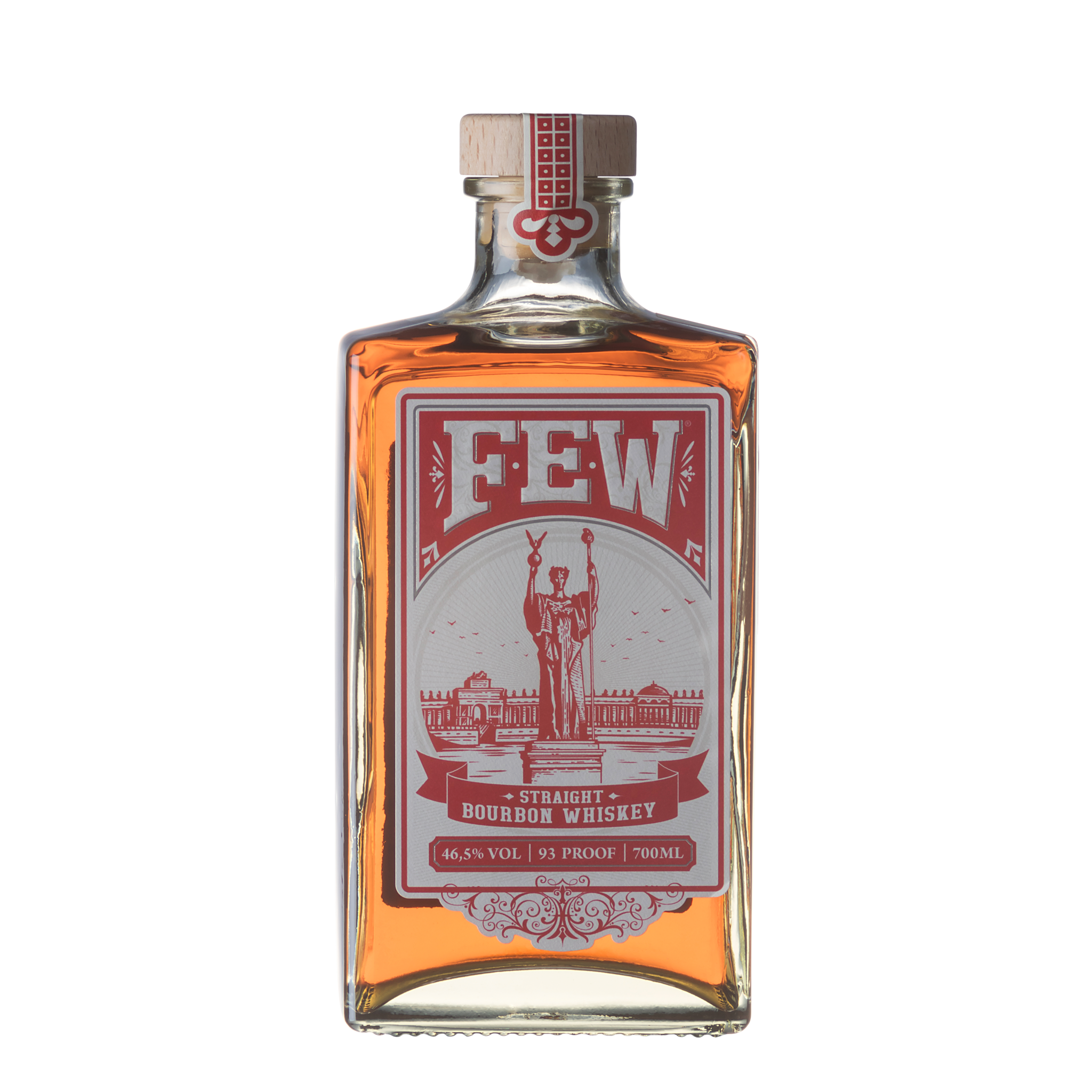
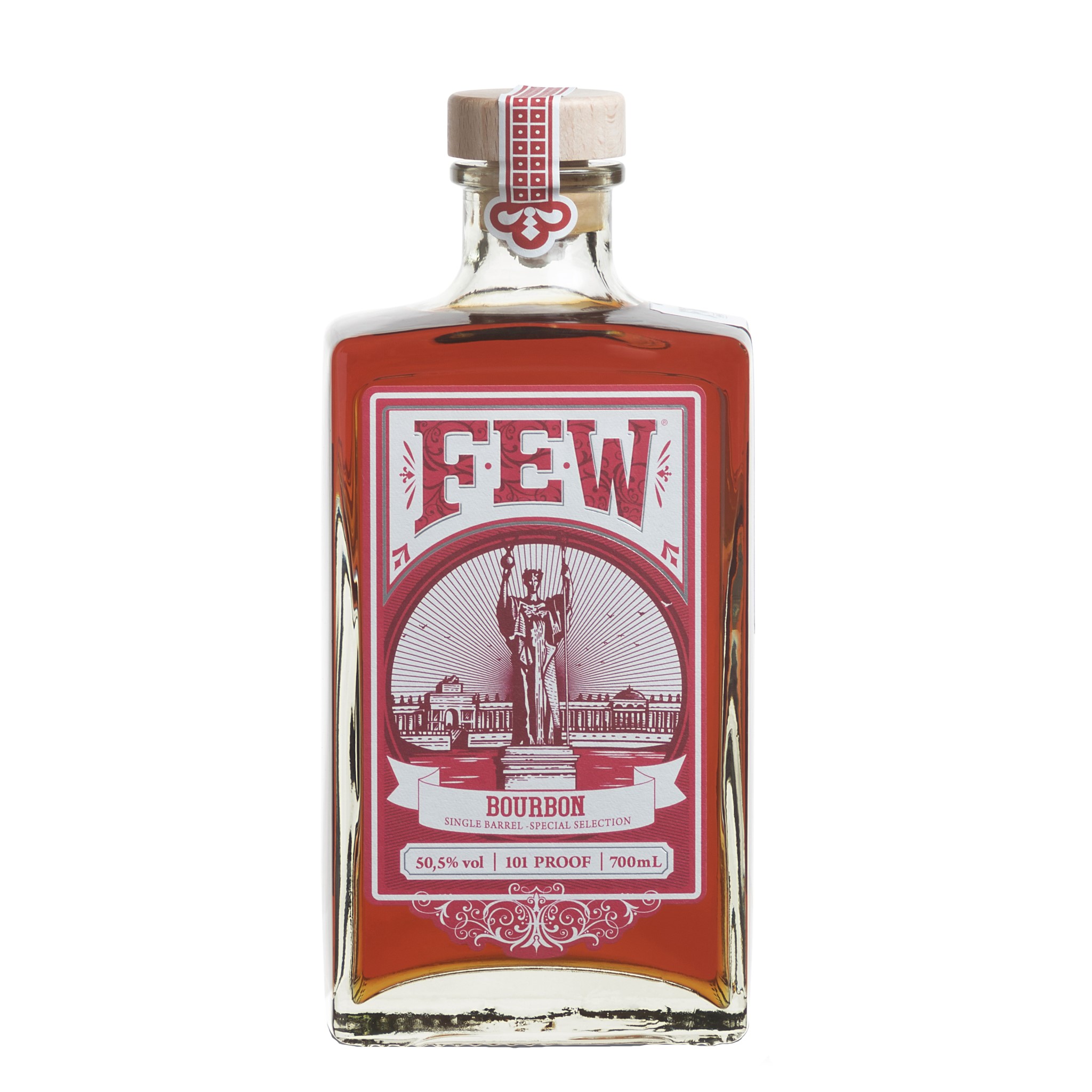
ABOUT BOURBON
Bourbon is a distinctively American style of whiskey that is primarily made from corn and has a rich history, a unique production process, and specific legal requirements that distinguish it from other types of whiskey.

Bourbon is a distinctively American style of whiskey that is primarily made from corn and has a rich history, a unique production process, and specific legal requirements that distinguish it from other types of whiskey.
History
Bourbon's origins are deeply tied to the early settlers of the American South, particularly Kentucky, where the limestone-rich water is ideal for whiskey production. The name "Bourbon" is believed to come from Bourbon County in Kentucky, which was a major shipping hub in the late 18th century. Over time, bourbon became a symbol of American whiskey, celebrated for its unique flavor profile and heritage.
Legal Requirements
To be legally classified as bourbon, the whiskey must meet several criteria defined by U.S. federal regulations:
Made in the USA: While most bourbon is produced in Kentucky, it can be made anywhere in the United States.
Mash Bill: It must contain at least 51% corn. The remainder can include other grains such as rye, barley, and wheat.
Aging: Bourbon must be aged in new, charred American oak barrels. There is no minimum aging period for bourbon. To be called a straight Bourbon it must be aged for at least two years. When aged for less than four years, the age has to be mentioned on the label. When aged for more than four years, producers are not required to mention the age. Most high-quality bourbons are aged for at least four years.
Distillation and Proof: It must be distilled to no more than 160 proof (80% alcohol by volume) and entered into the barrel for aging at no more than 125 proof (62.5% alcohol by volume).
Bottling: It must be bottled at no less than 80 proof (40% alcohol by volume).
Production Process
The production of bourbon involves several steps:
Mashing: Corn, along with other grains, is ground and mixed with water to create a mash.
Fermentation: The mash is transferred to fermentation tanks, where yeast is added. The yeast converts the sugars in the mash into alcohol and carbon dioxide, creating a "wash."
Distillation: The wash is distilled, typically twice, in copper stills to increase the alcohol content and refine the flavors.
Aging: The distilled spirit is placed in new, charred oak barrels and aged. The aging process allows the whiskey to extract flavors from the wood, giving bourbon its characteristic color and taste.
Bottling: After aging, the bourbon is filtered, sometimes diluted to the desired proof, and then bottled. You are not allowed to add any additives, flavoring or coloring to Bourbon.
Flavor Profile: Bourbon is known for its rich and diverse flavor profile, which can include notes of caramel, vanilla, oak, and spice. The high corn content gives it a sweetness that distinguishes it from other whiskeys, such as rye or Scotch.
Types of Bourbon
Bourbon: A spirit that follows all the minimum requirements to be called Bourbon.
Straight Bourbon: Aged for at least two years with no added flavors or colors.
Small Batch: Made from a select number of barrels, offering a more refined and unique flavor profile.
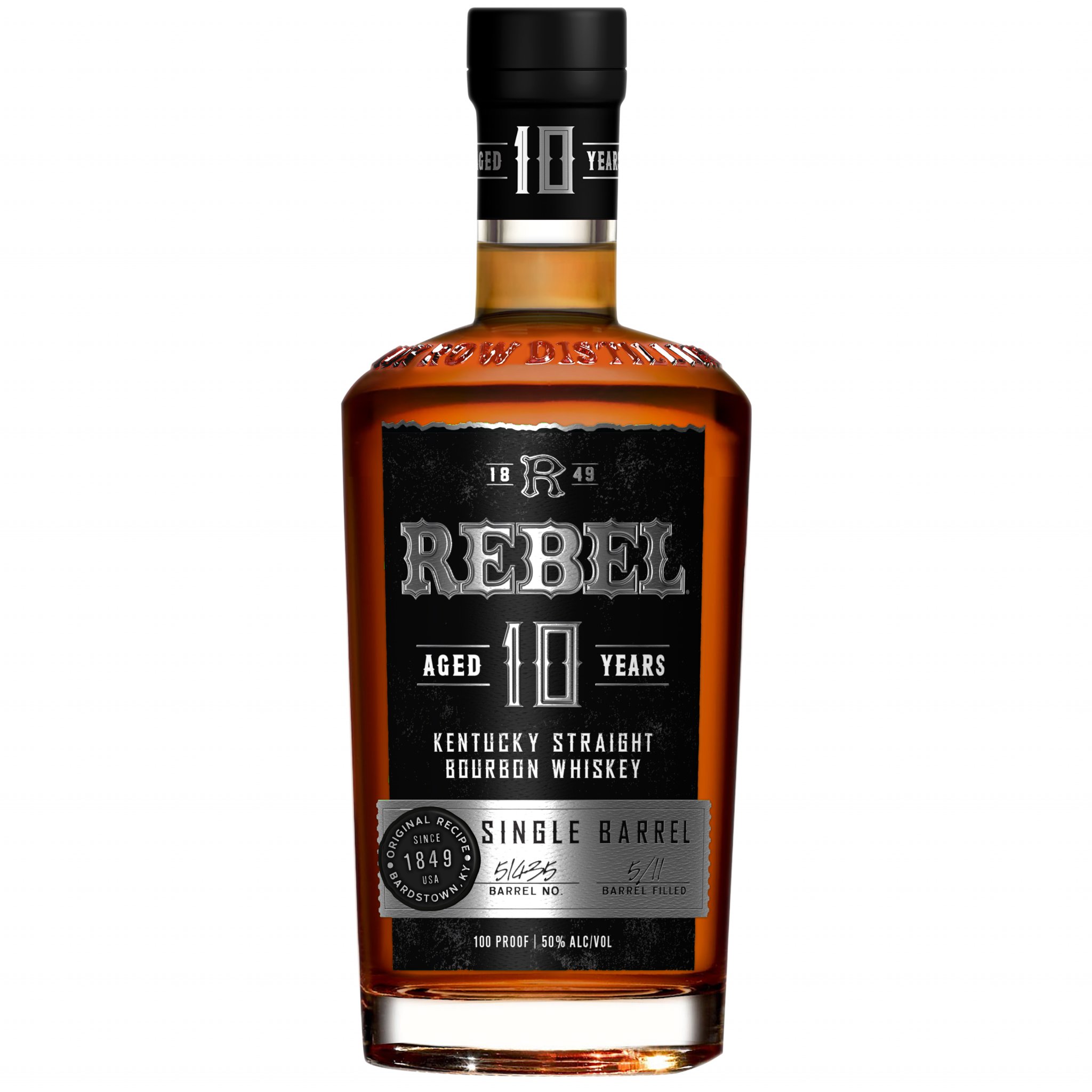
Single Barrel: Bottled from one individual barrel, ensuring each bottle has a unique taste.
Sour Mash: Bourbon that has been produced in a ‘sour mash’ way, where they
add a bit of sour mash leftover during distillation to the new yet to be
fermented mash
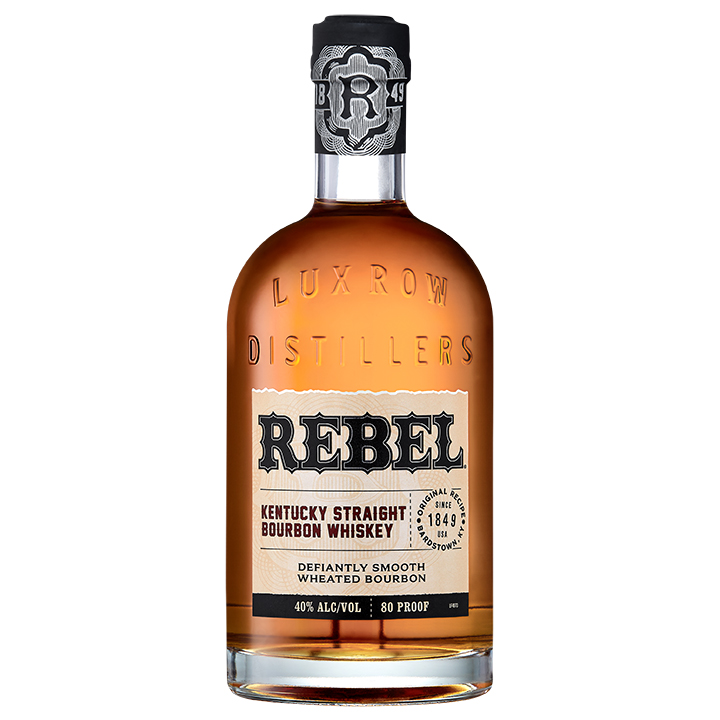
Wheated Bourbon: Bourbon that has wheat in it’s mashbill
Bottled in Bond: A leftover from prohibition era when only a select few of distilleries
were allowed to produce American whiskey according to strict Government regulations. Bottled in Bond has to be produced by a
single distillery, a single master distiller, during a single season. It has to be bottled at 100 proof (50% alcohol by volume).
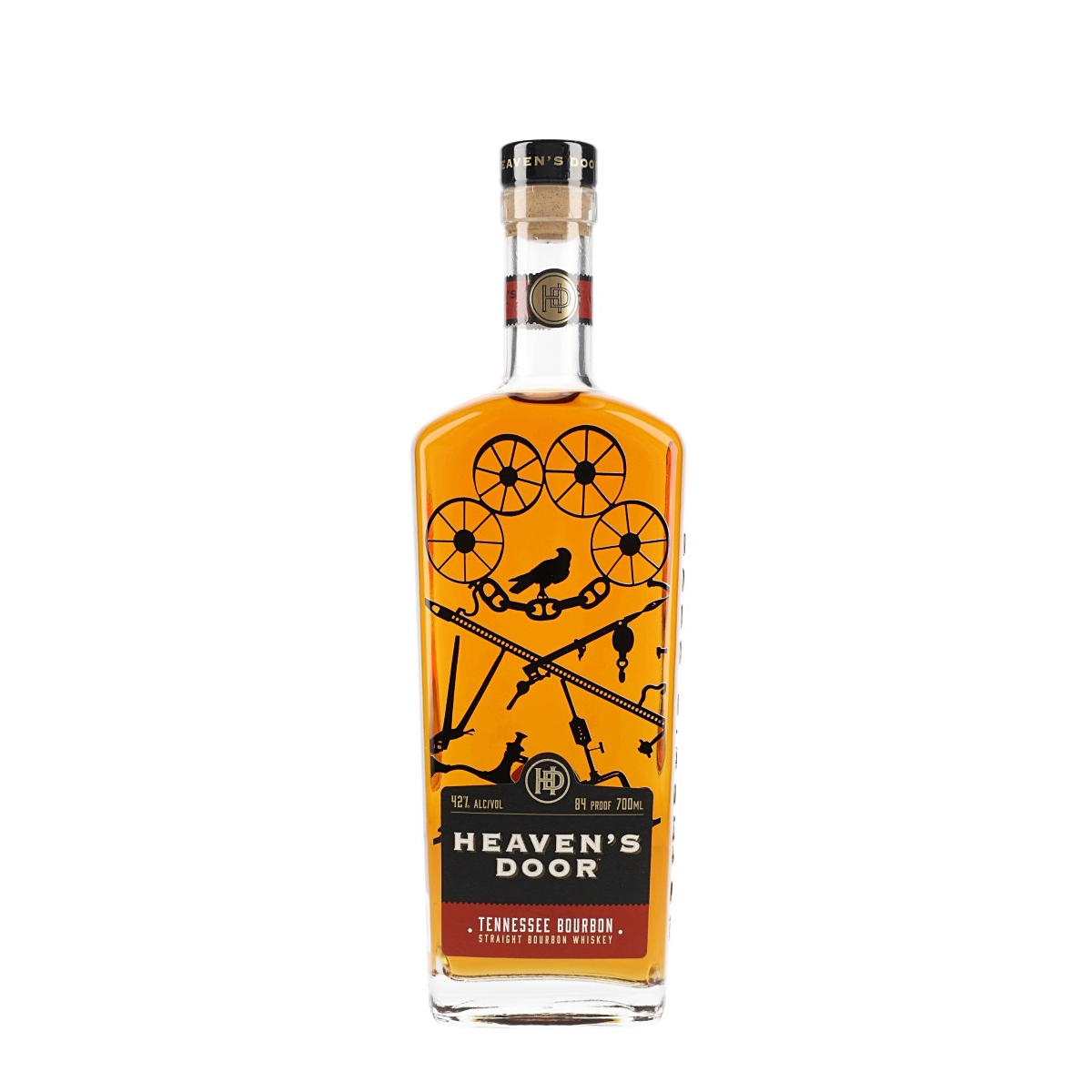
Tennessee Whisky: A subcategory of bourbon hailing from the state of Tennessee that has
undergone the specific Lincoln County Process which is an filtering on Sugar Maple Charcoal after distillation and before entering the barrel.
Bourbon is a quintessential American whiskey with a rich history and distinctive production process. Its specific legal requirements ensure a high-quality product that is celebrated for its smooth, sweet, and complex flavors. Whether enjoyed neat, on the rocks, or in cocktails, bourbon remains a favorite among whiskey enthusiasts worldwide.