Origins and History
Rye whiskey has its roots in the early American colonies, particularly in the Northeastern United States, where European settlers, many of whom were German and Scottish, began distilling whiskey using rye—a grain that was easier to grow in the colder climates than corn. Rye whiskey became especially popular in states like Pennsylvania and Maryland, where it was commonly referred to as "Monongahela" and "Maryland" rye, respectively.
During the 19th century, rye whiskey was a staple in American bars, used in many classic cocktails such as the Old Fashioned, Manhattan, and Sazerac. However, the passage of Prohibition in 1920 severely impacted rye whiskey production, and even after its repeal in 1933, rye whiskey never quite regained its pre-Prohibition popularity, overshadowed by the rise of bourbon and Canadian whisky.
Production Process
The production of rye whiskey follows a similar process to that of other types of whiskey but with some key differences. The primary ingredient in rye whiskey is the rye grain, which must constitute at least 51% of the mash bill by law in the United States. The remainder of the mash bill typically consists of corn, malted barley, or a combination of both.
The mash is fermented with yeast to convert sugars into alcohol, then distilled to a high proof. U.S. regulations require that rye whiskey be distilled to no more than 80% alcohol by volume (ABV) and aged in new, charred oak barrels at no more than 62.5% ABV. The aging process in charred oak barrels contributes significantly to rye whiskey’s flavor, imparting notes of vanilla, caramel, and oak, while the rye grain provides its characteristic spiciness and peppery bite.
Flavor Profile
Rye whiskey is known for its bold, spicy flavor, which can range from peppery and herbal to fruity and slightly floral, depending on the mash bill and aging process. It typically has a drier finish than bourbon, with a distinctive spiciness that makes it a favorite for mixing in cocktails.
Types of Rye Whiskey
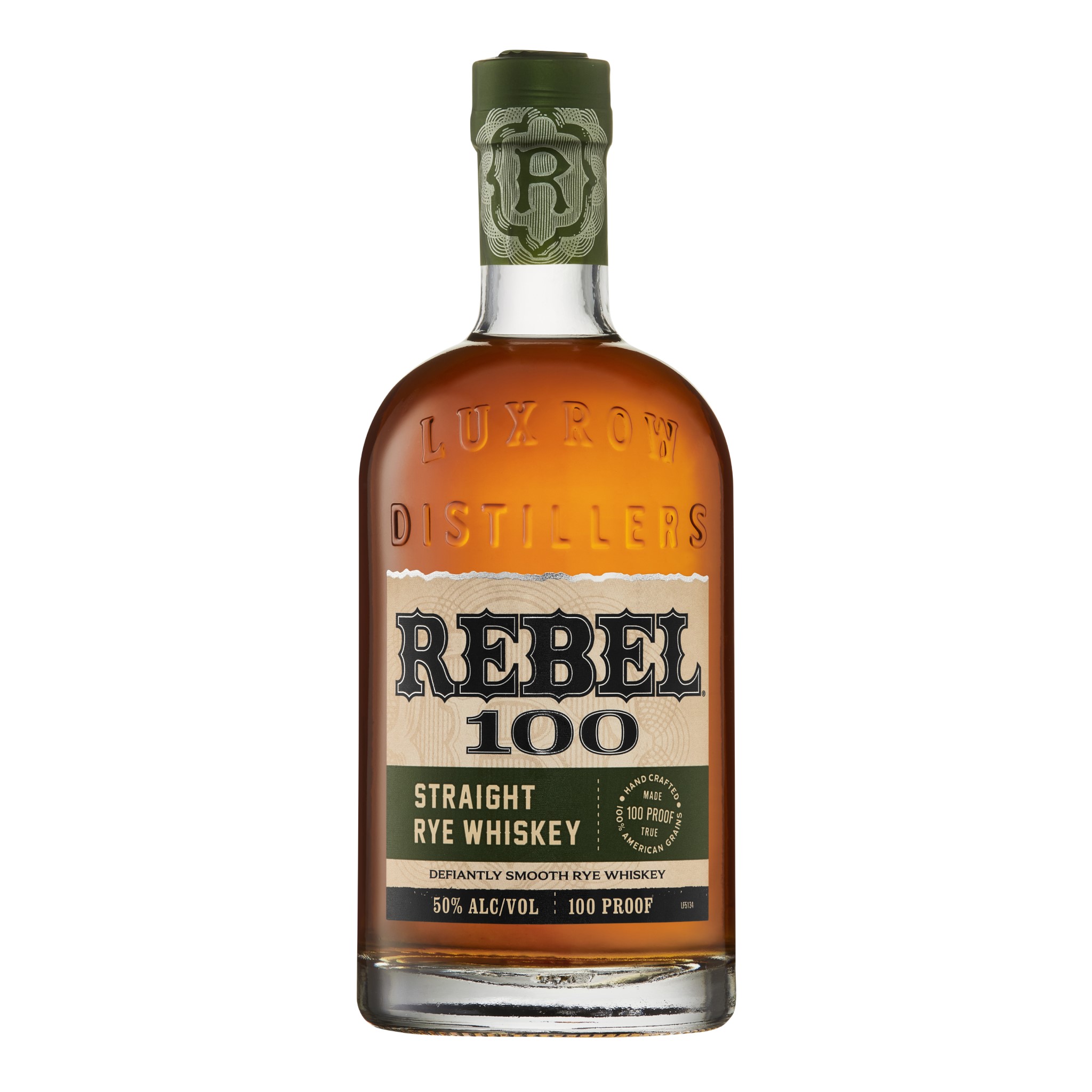
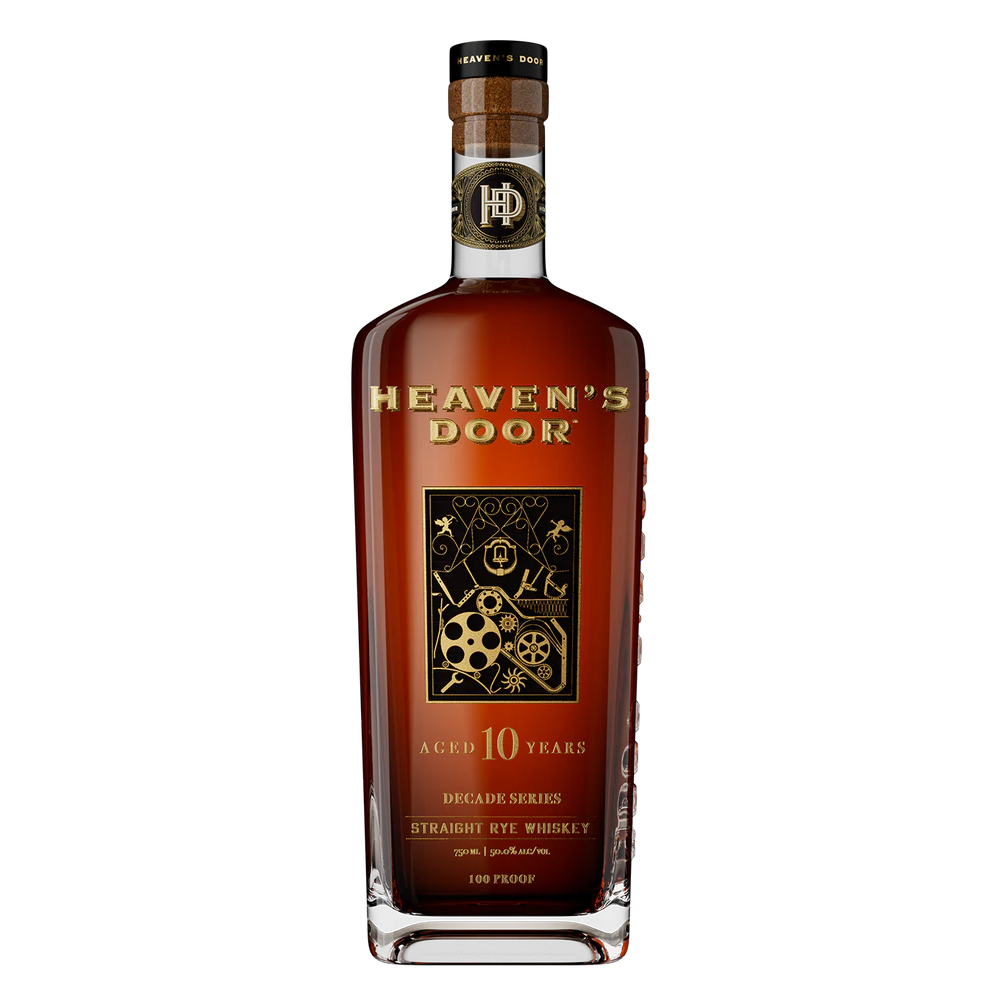
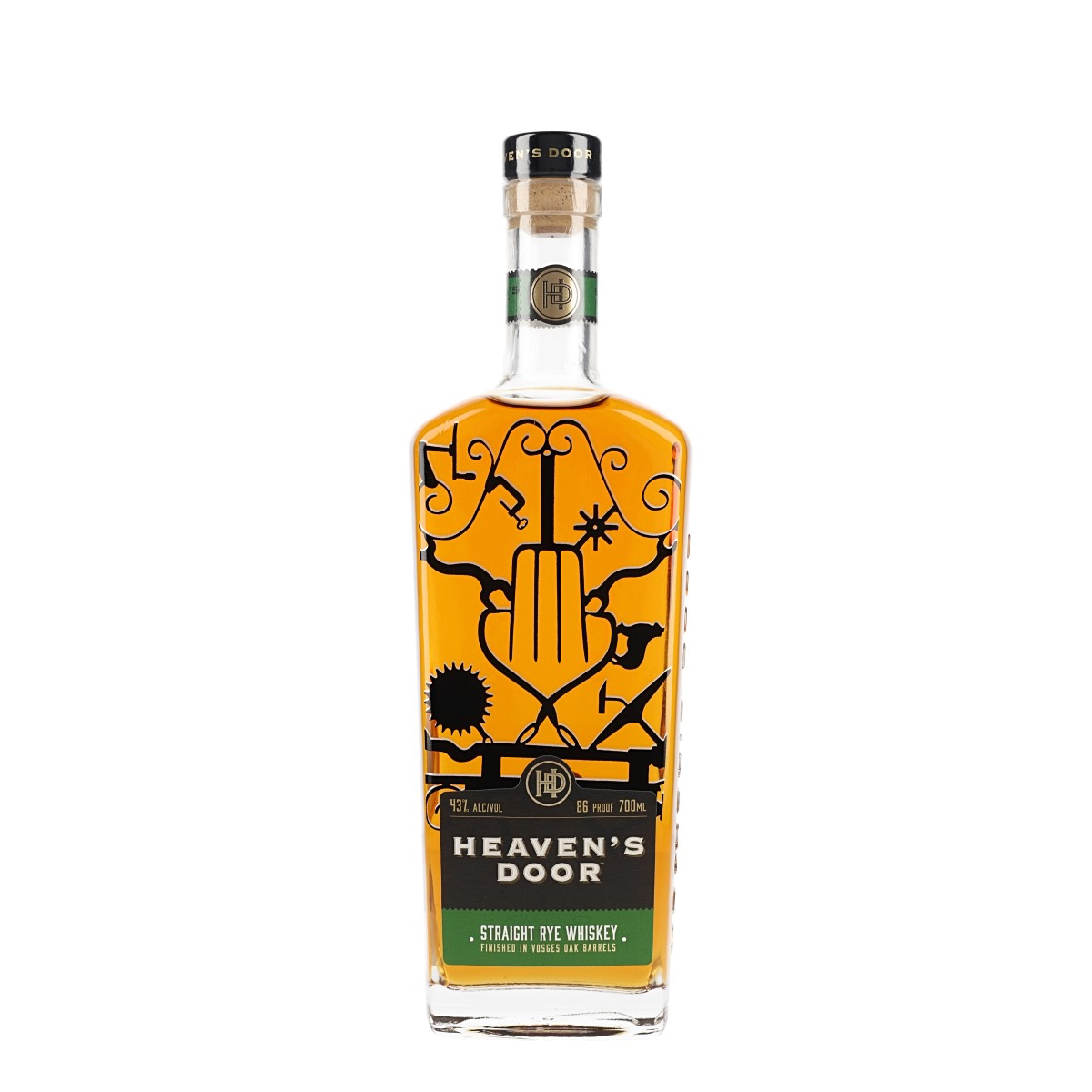
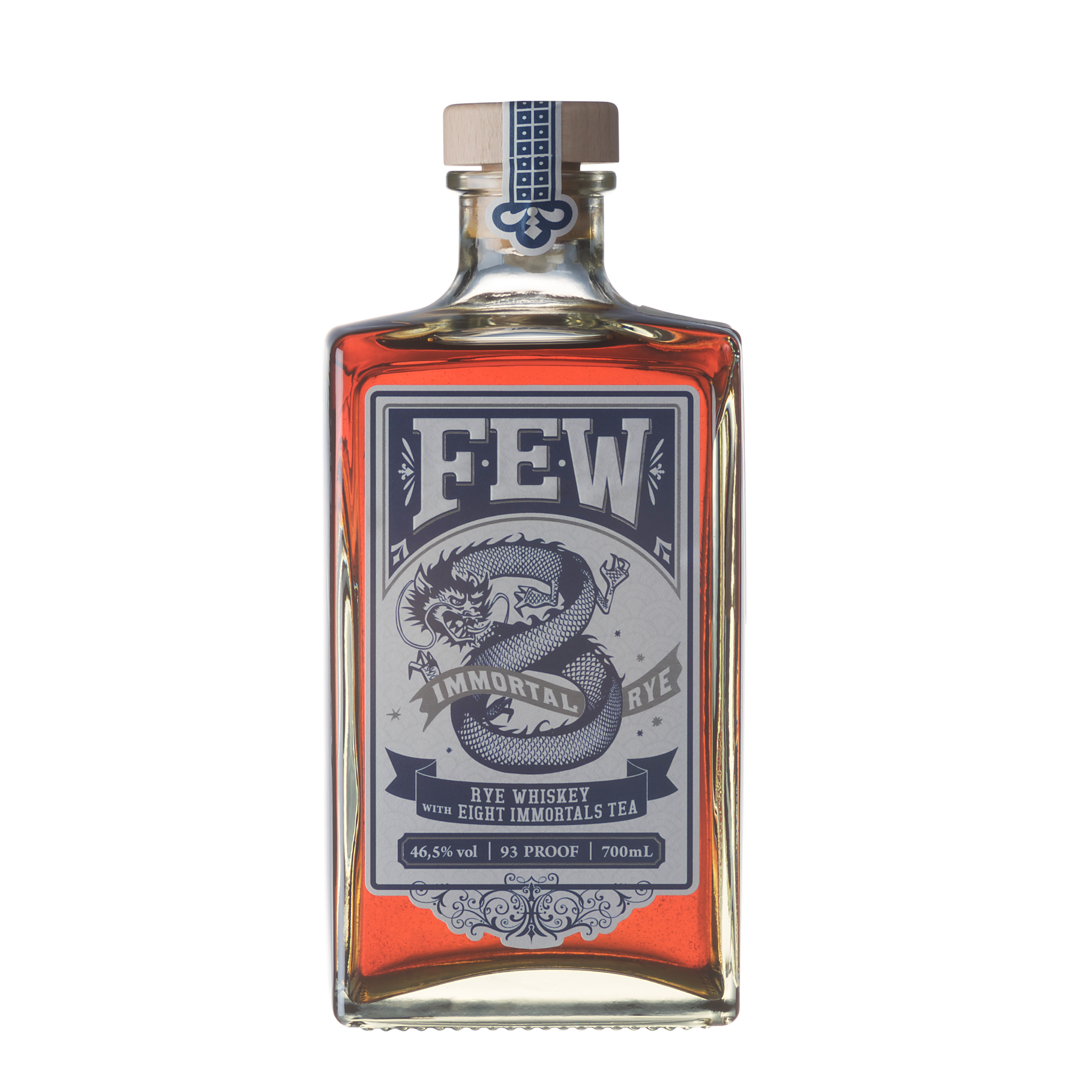
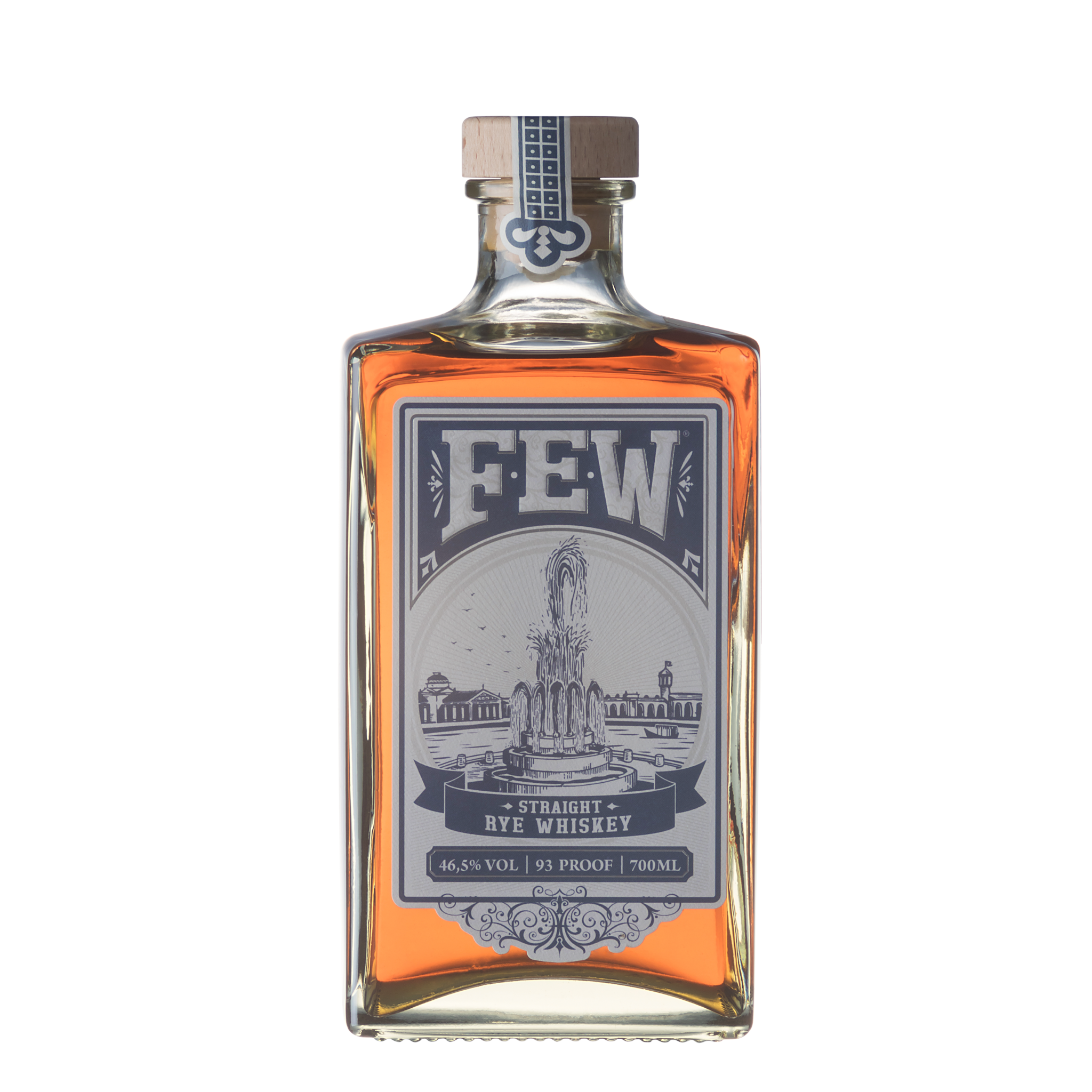
American Rye Whiskey: This is the most common type, made in the United States according to the regulations described above. It must be aged for at least two years to be labeled as "straight rye whiskey," which indicates no additives and a pure rye spirit.
Canadian Rye Whisky: Canadian whisky, often labeled as "rye whisky," can be more varied in its composition. Unlike American rye whiskey, there are no strict requirements for the percentage of rye in the mash bill. Some Canadian whiskies labeled as "rye" may actually contain little to no rye grain, focusing instead on other grains like corn or barley.
Uses and Serving
Rye whiskey can be enjoyed neat, on the rocks, or as a base for cocktails. It’s a key ingredient in many classic cocktails, such as the Manhattan, Old Fashioned, and Sazerac, where its spiciness complements the sweetness of other ingredients like vermouth and bitters.
Overall, rye whiskey is a versatile and flavorful spirit that appeals to both whiskey enthusiasts and cocktail lovers. Its distinctive spiciness and robust flavor profile make it a unique and valuable addition to any liquor collection.