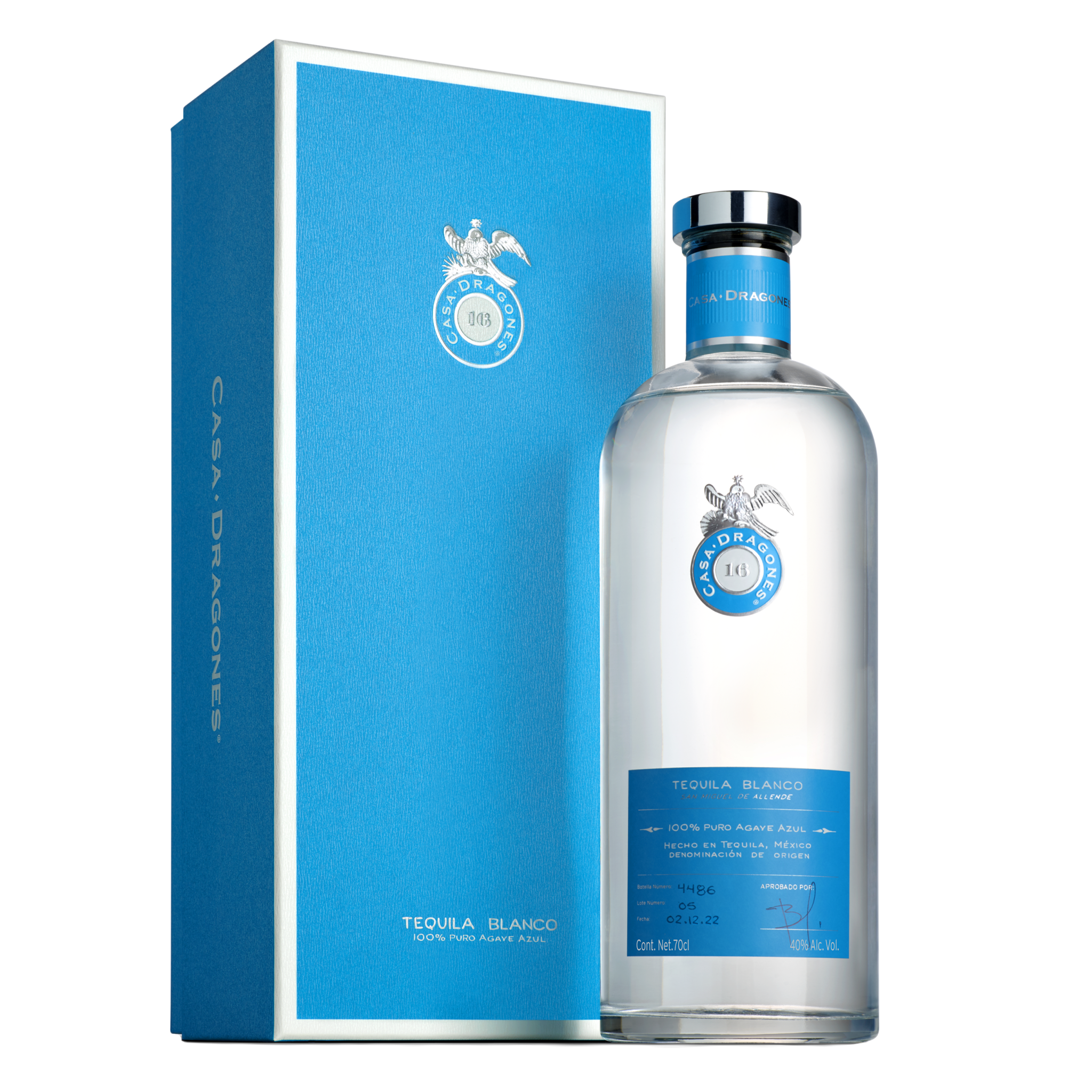
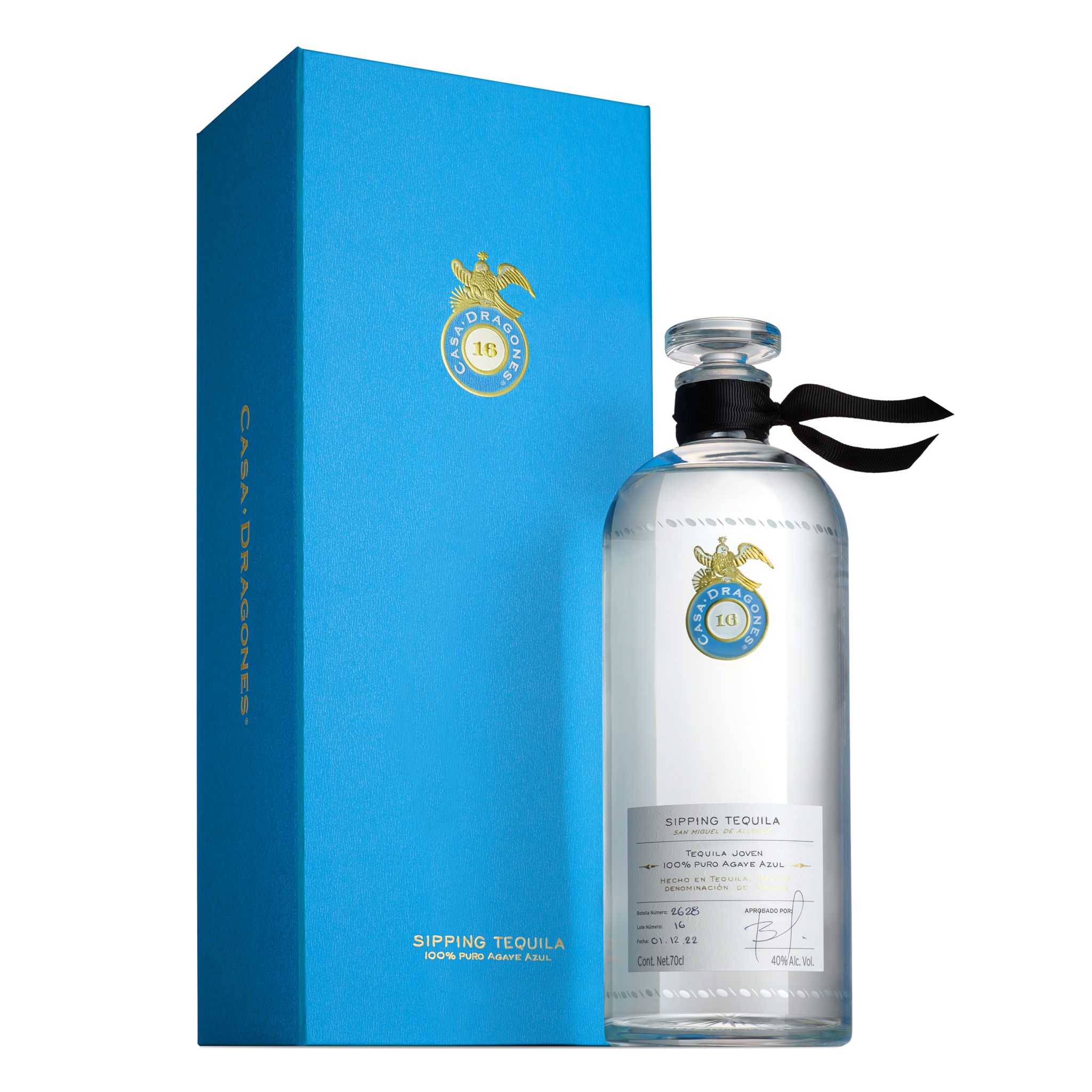
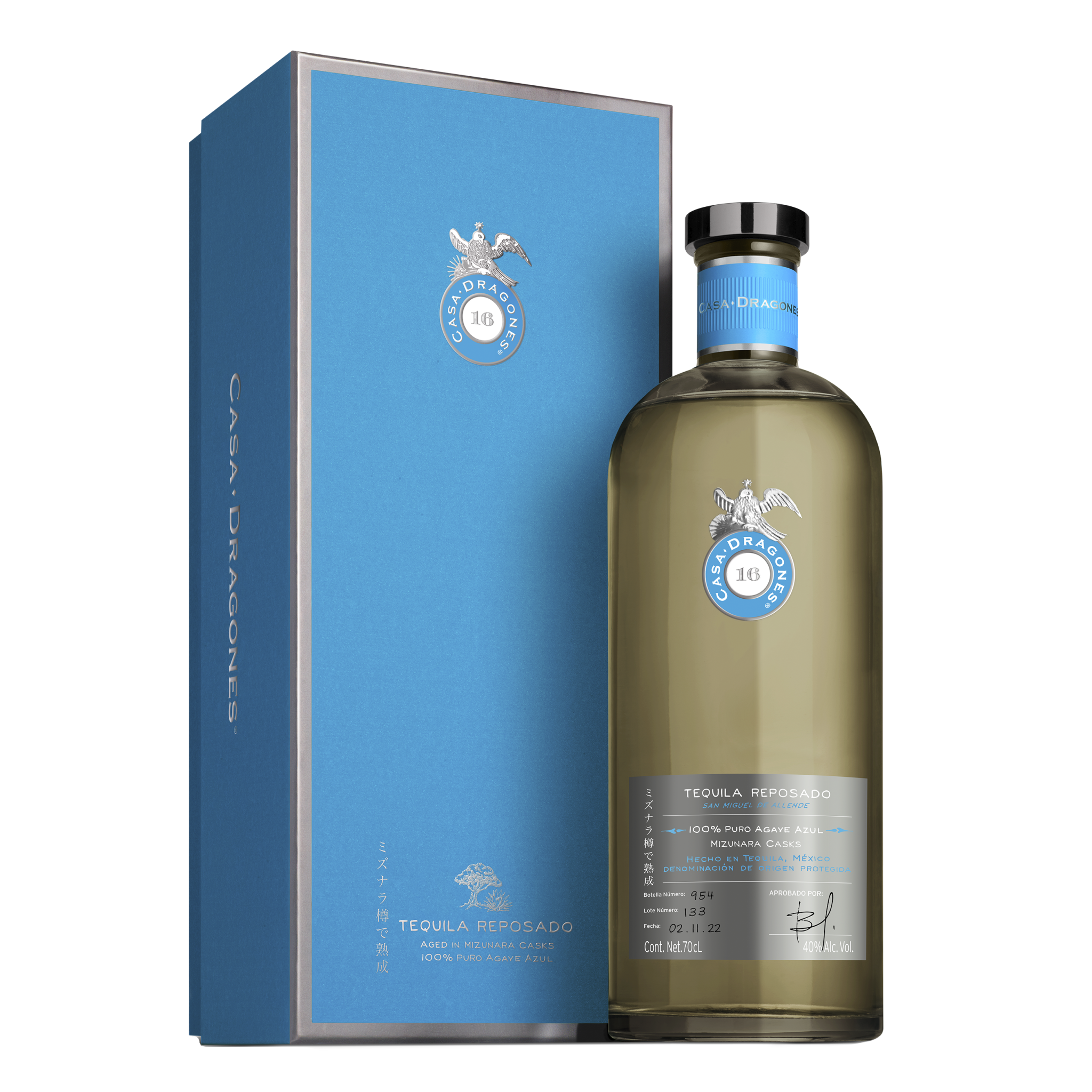
Tequila is the name of the agave spirit produced in certain states of Mexico and it’s the most well known and most consumed type of agave spirit. And although tequila has had a bad reputation in the past, consumers of this spirit are quickly becoming highly educated on this spirit as we see the popularity quickly rise.
Historically tequila would have also been considered a type of Mezcal, as agave spirits were all ‘mezcal de maguey’; Tequila being the ‘Mezcal de Maguey’ from the town of Tequila in the state of Jalisco, where they made an agave spirit from their local agave now known as Blue Weber or Agave Azul. Instead of a pit oven they cooked the agave in brick ovens, creating a fresh, juicy and sweet distillate that became increasingly more popular.
Nowadays Tequila as a spirit is tightly regulated, has its own denomination of origin and must adhere to certain rules to be called Tequila:
First and foremost Tequila has to be made from one specific type of agave known as Blue Weber, an agave from the Angostifulia family that reproduces asexually and reaches maturity after about 7 years. To be considered a tequila the product has to be made from at least 51% Blue Weber Agave. Products that use 51% or more, but less than 100% blue weber agave, are known as Mixtos tequilas. The other raw material used can be any other type of sugar. Tequila of high quality will use nothing but Blue Weber resulting in the category of 100% Blue Weber Agave tequila, noting that nothing else besides agave has been used in the production of the spirit.
Secondly, Tequila has to be produced in the state of Jalisco and certain municipalities in Nayarit (8 municipalities), Michoacan (30 municipalities), Guanajuato (7 municipalities) and Taumalipas (11 municipalities). Outside of these regions it will simply not be called Tequila. (source; The geography of tequila: where is tequila made? | Geo-Mexico, the geography of Mexico)
Tequila will be double distilled in copper lined or full copper pot stills. The first run of distillation will result in a lower alcoholic content called ordinarios, usually at around 30% abv. After the second distillation it can be called Tequila.
We can distinguish 7 styles in tequila, 2 which are reserved for Mixtos tequila and 5 for 100% Agave Tequila. Within Mixtos tequila we can distinguish either Silver, sometimes called plata, being a clear and uncoloured product. Gold tequila is a coloured and often times flavoured mixtos tequila. Within the category of 100% agave tequila we can distinguish the following; Blanco (or plata), Reposado, Anejo, Extra Anejo and Cristallino. This all has to do with the aging of the spirit on wooden barrels. The type of wood is to be decided by the producer, but common use is the aging on ex-bourbon or american oak barrels.
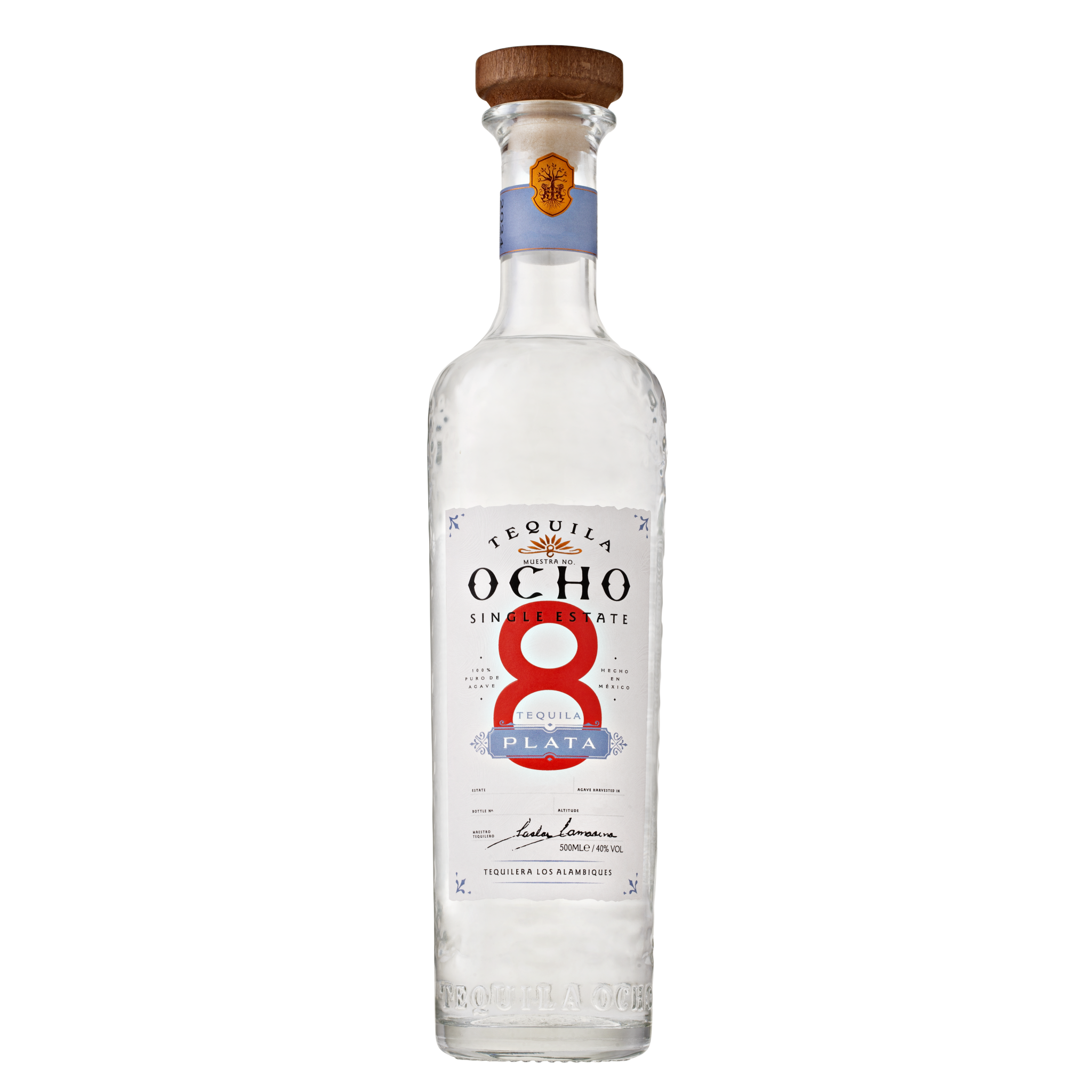
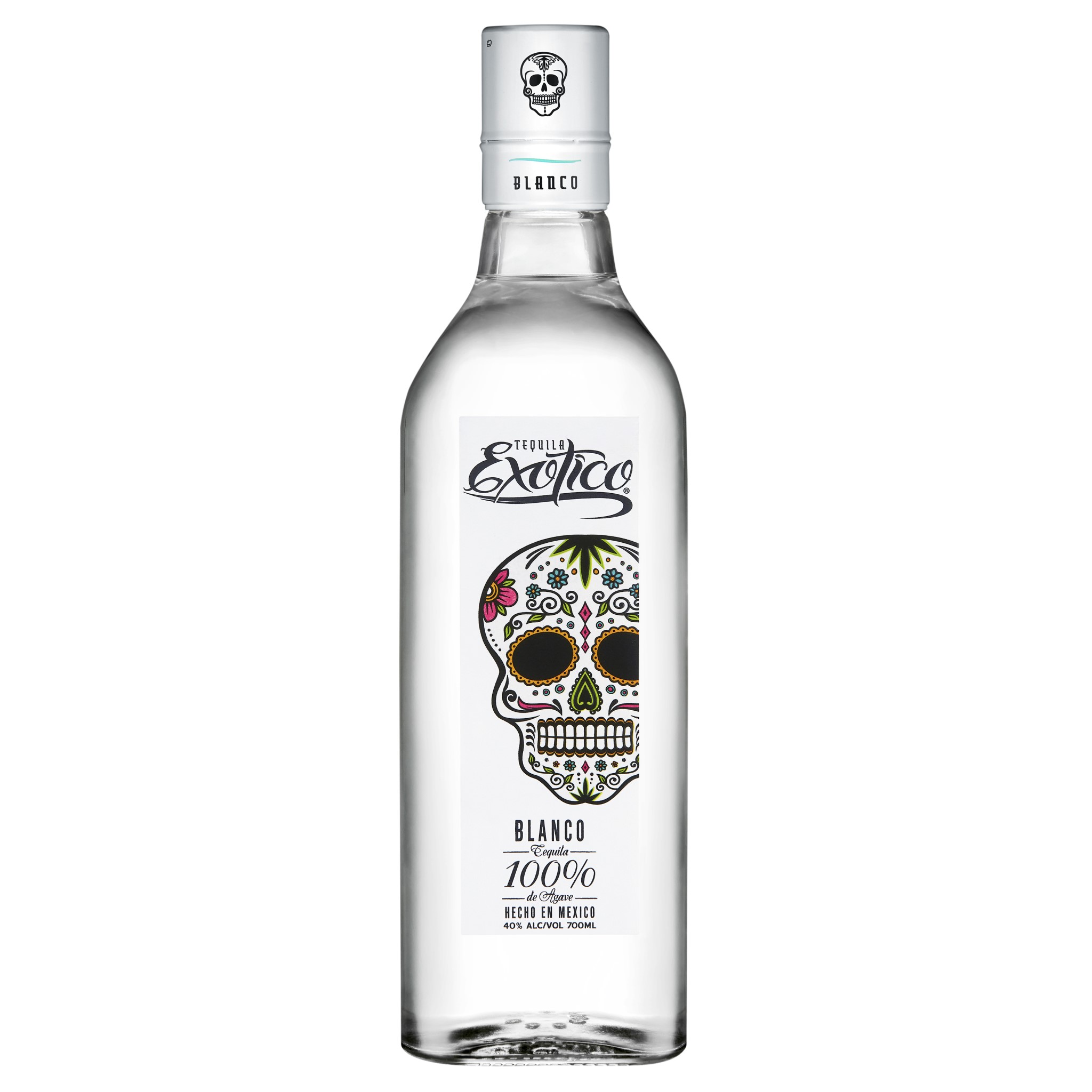
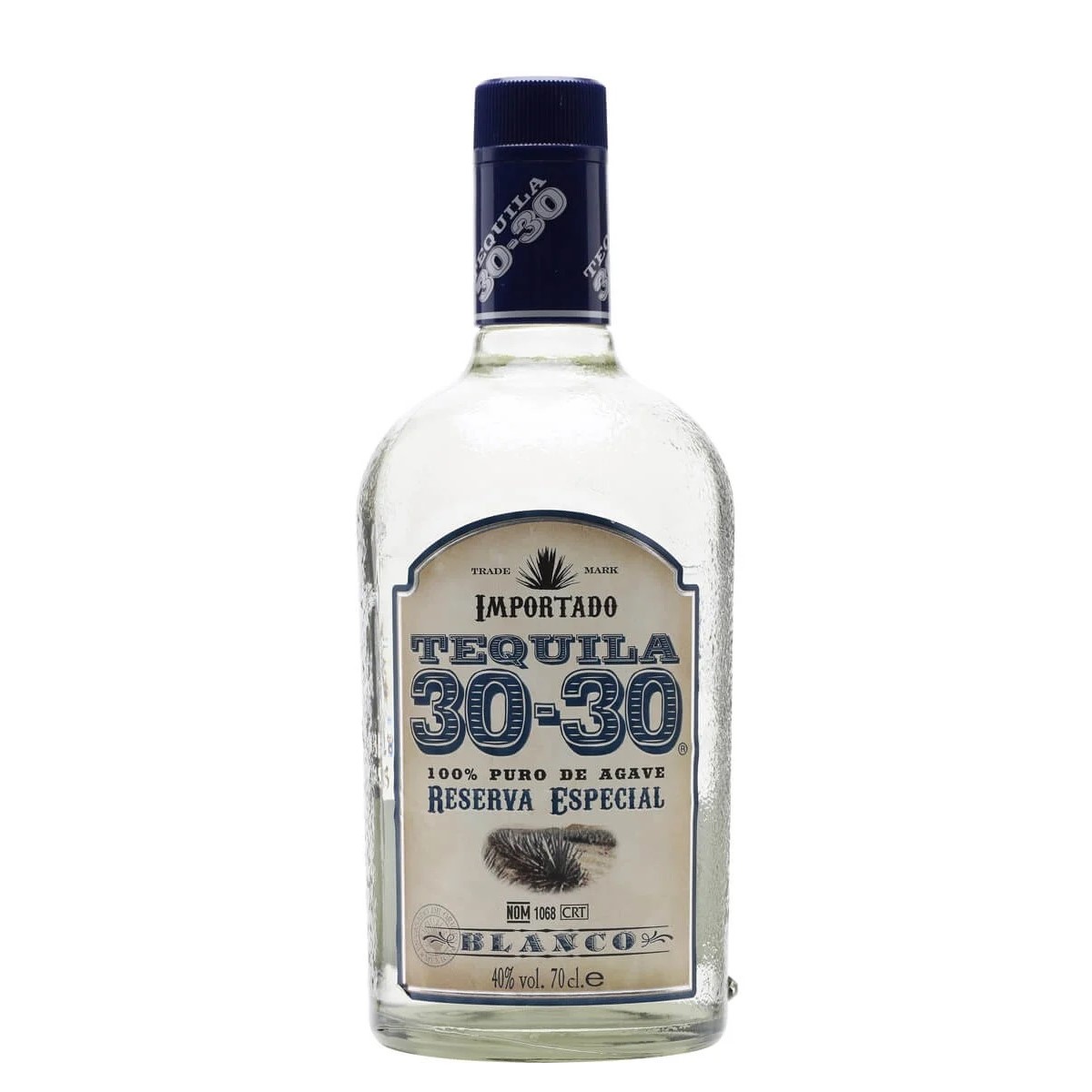
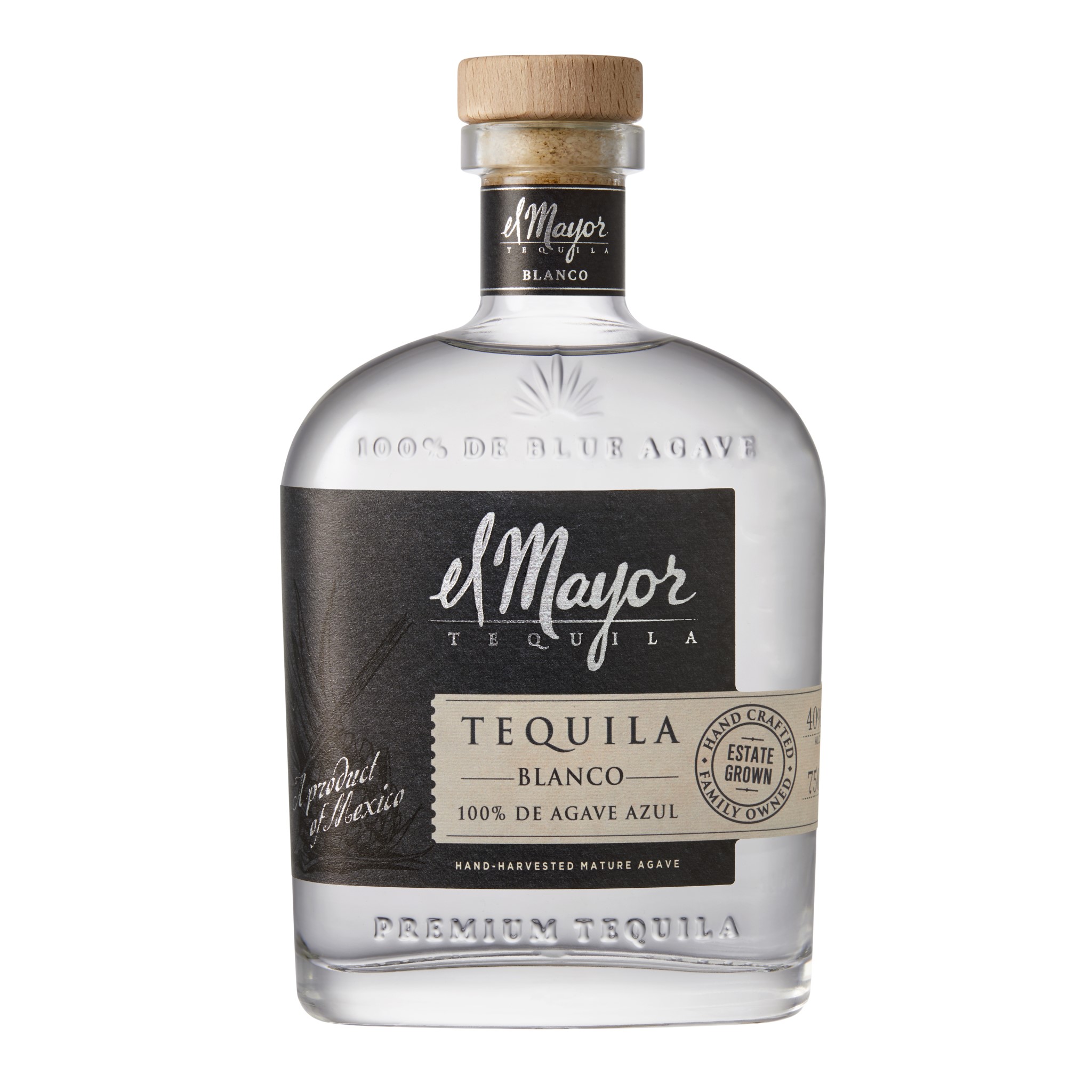
Blanco/Plata: Unaged tequila, usually rested after distillation on stainless steel to let the liquid settle.
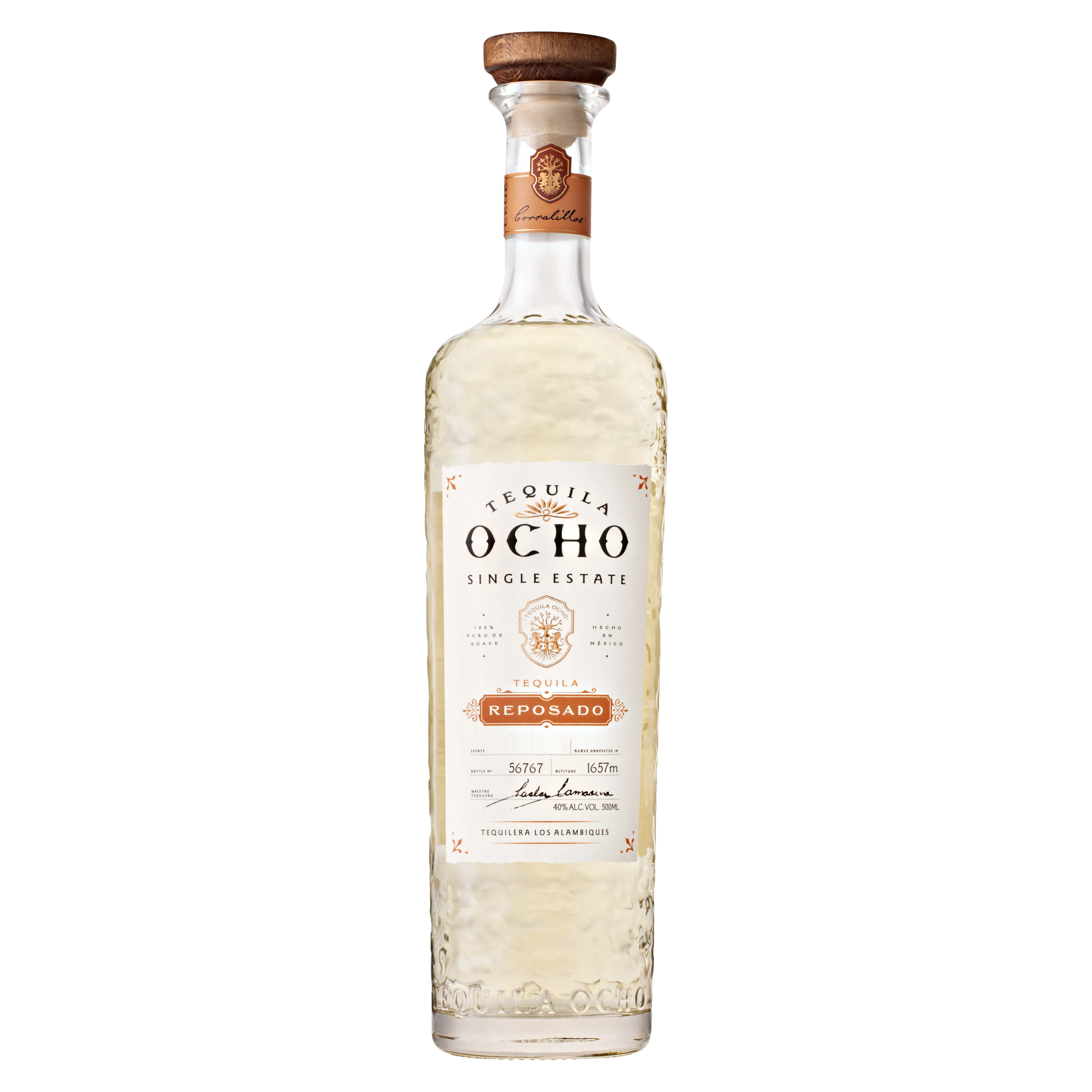
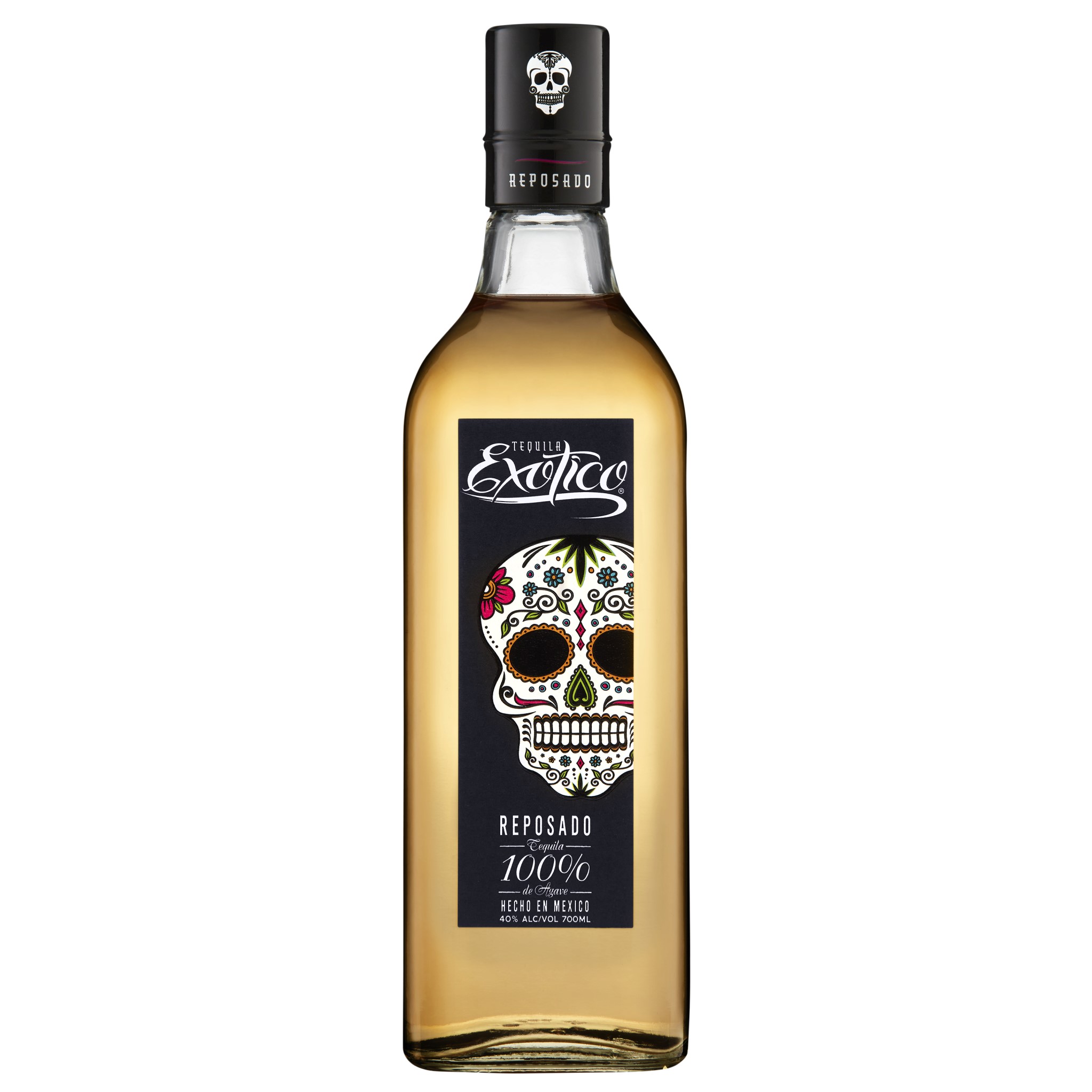
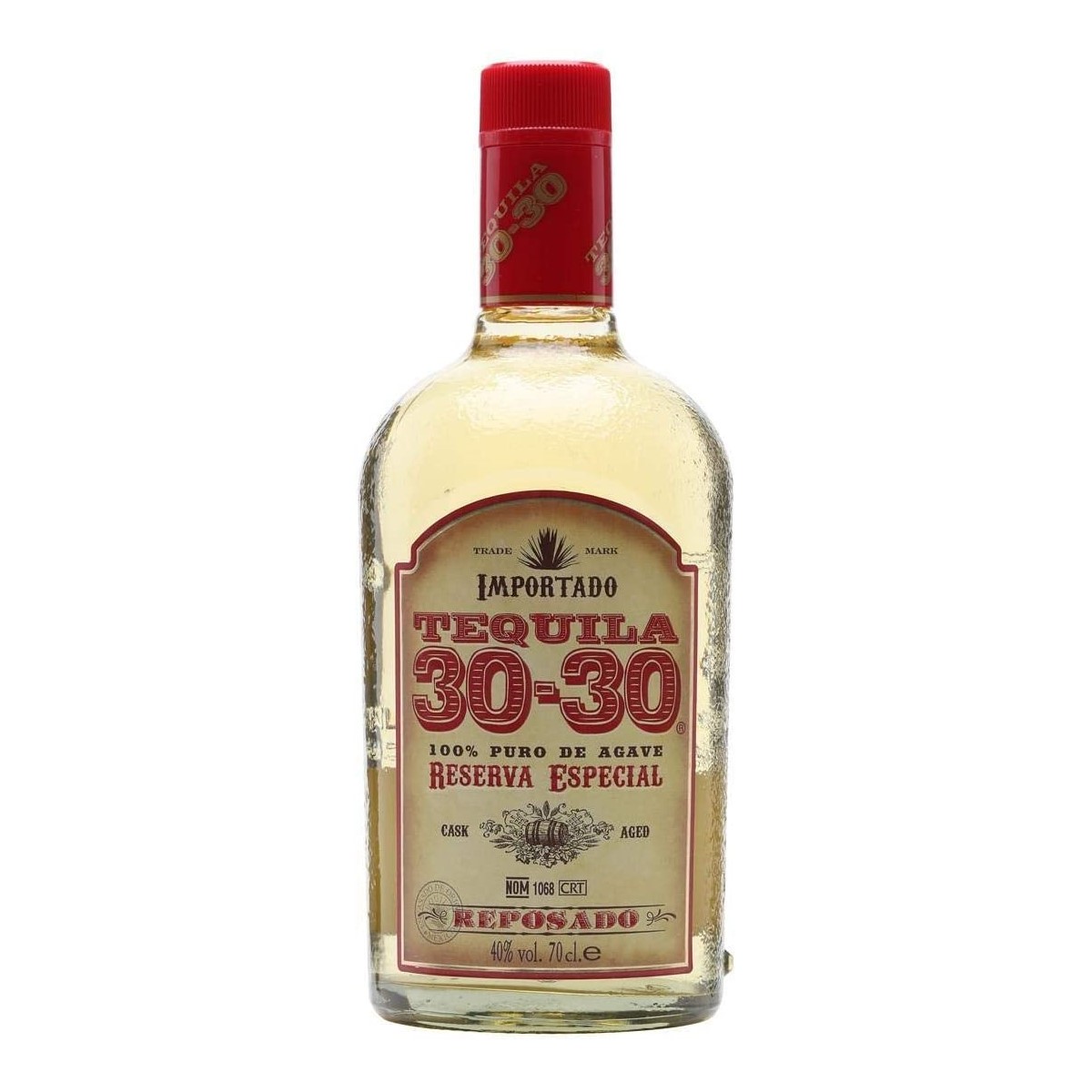
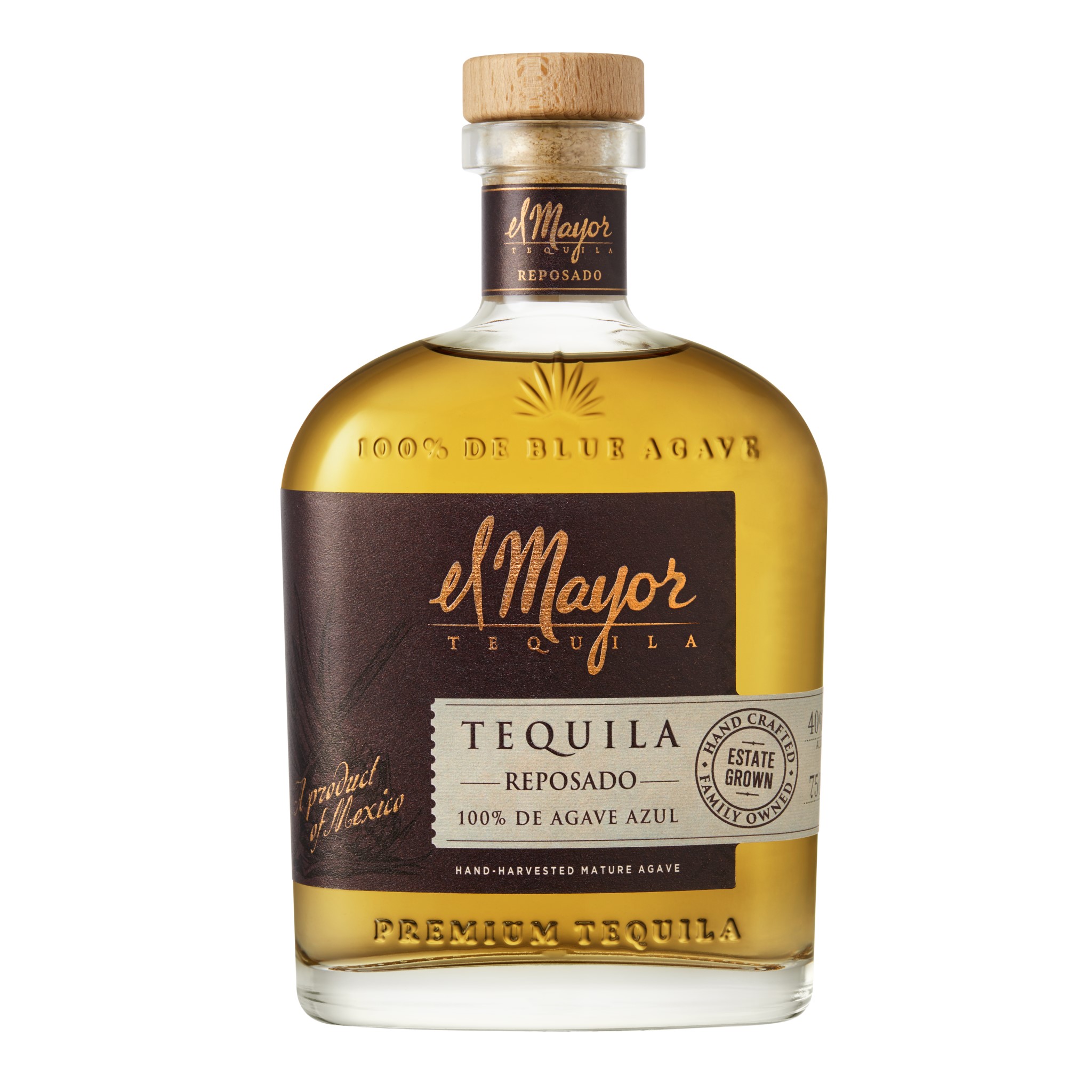
Reposado: Aged on wood for a minimum of 2 months up to 364 days. Just one day shy of a year
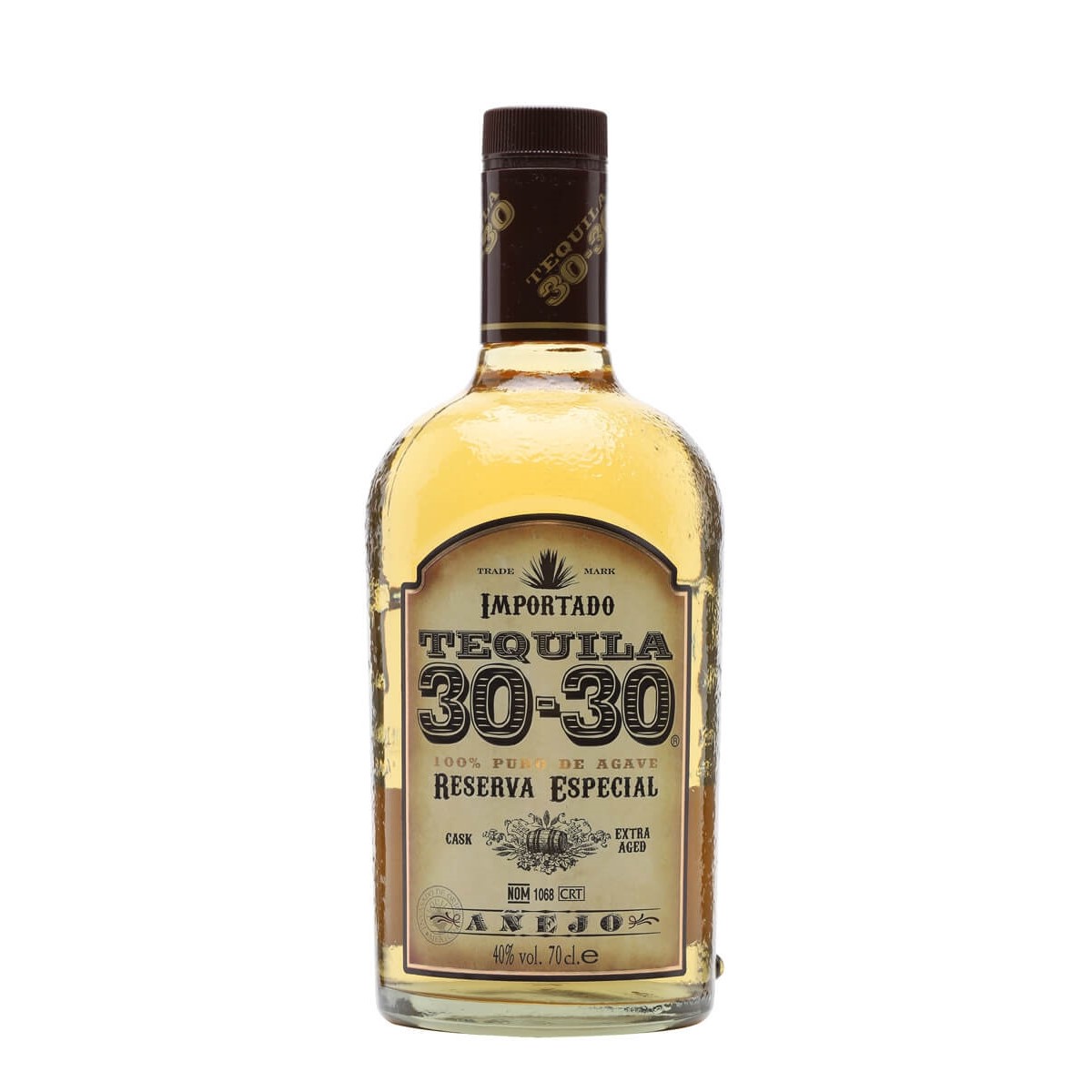
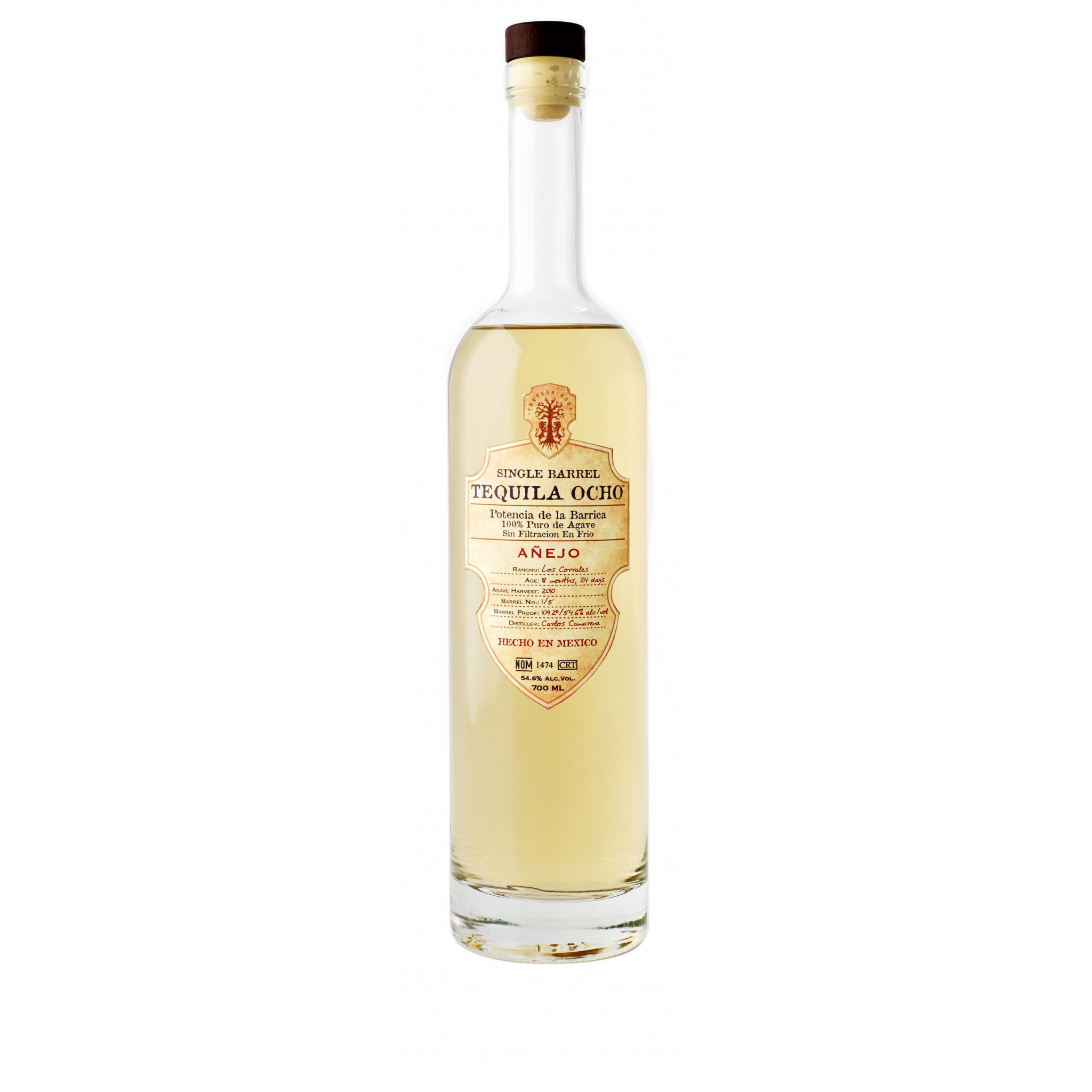
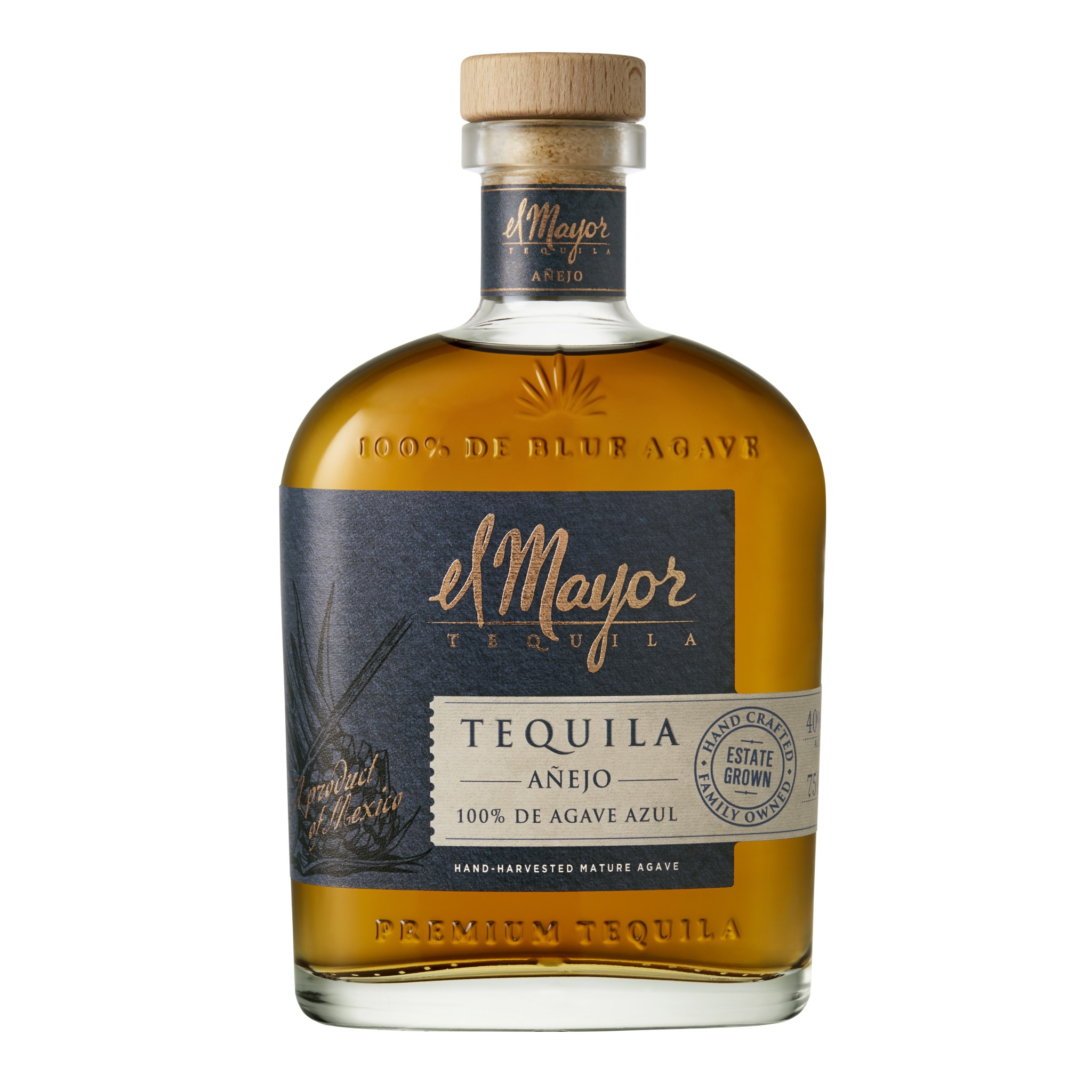
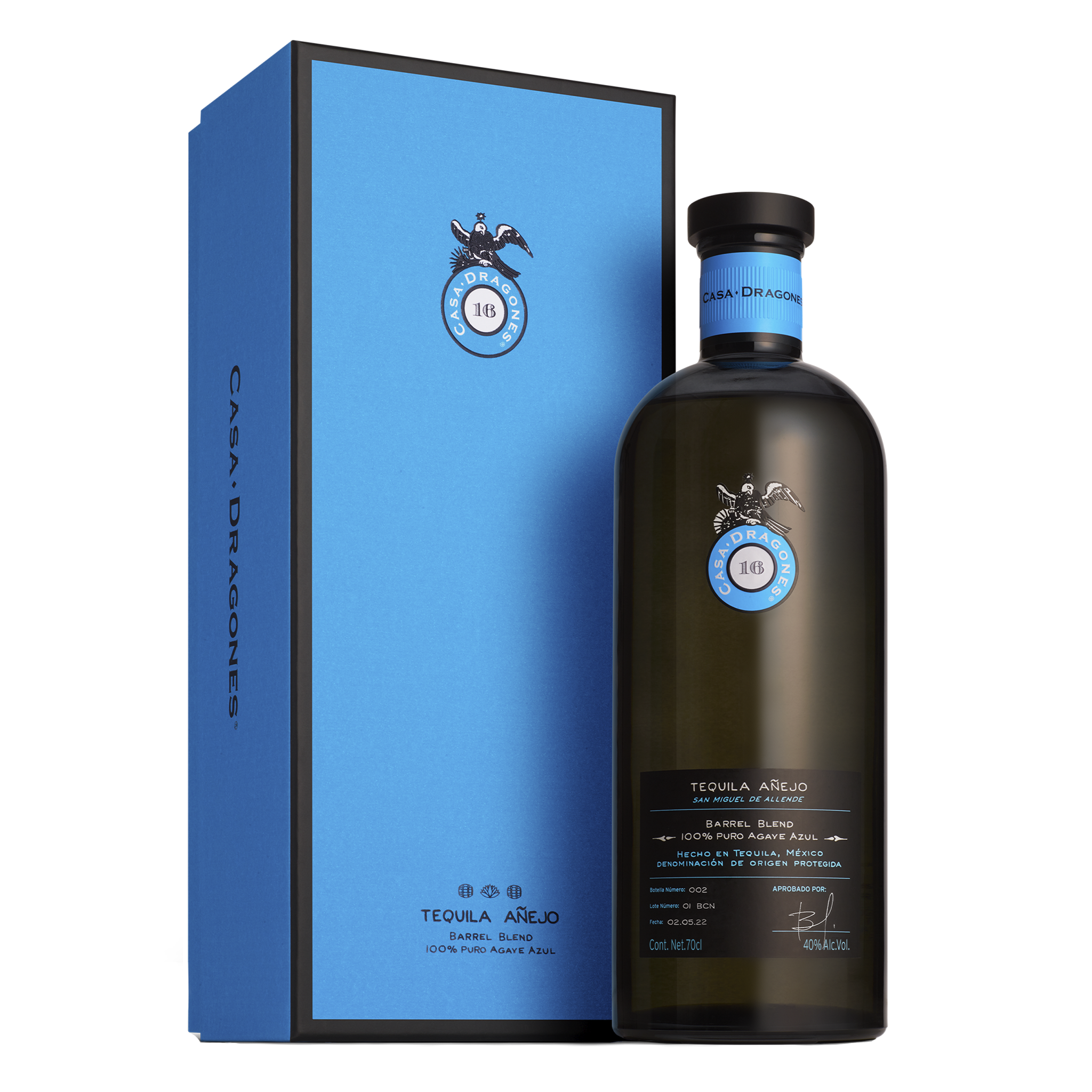
Añejo: Aged for a minimum of 1 year up to 1 year and 364 days.
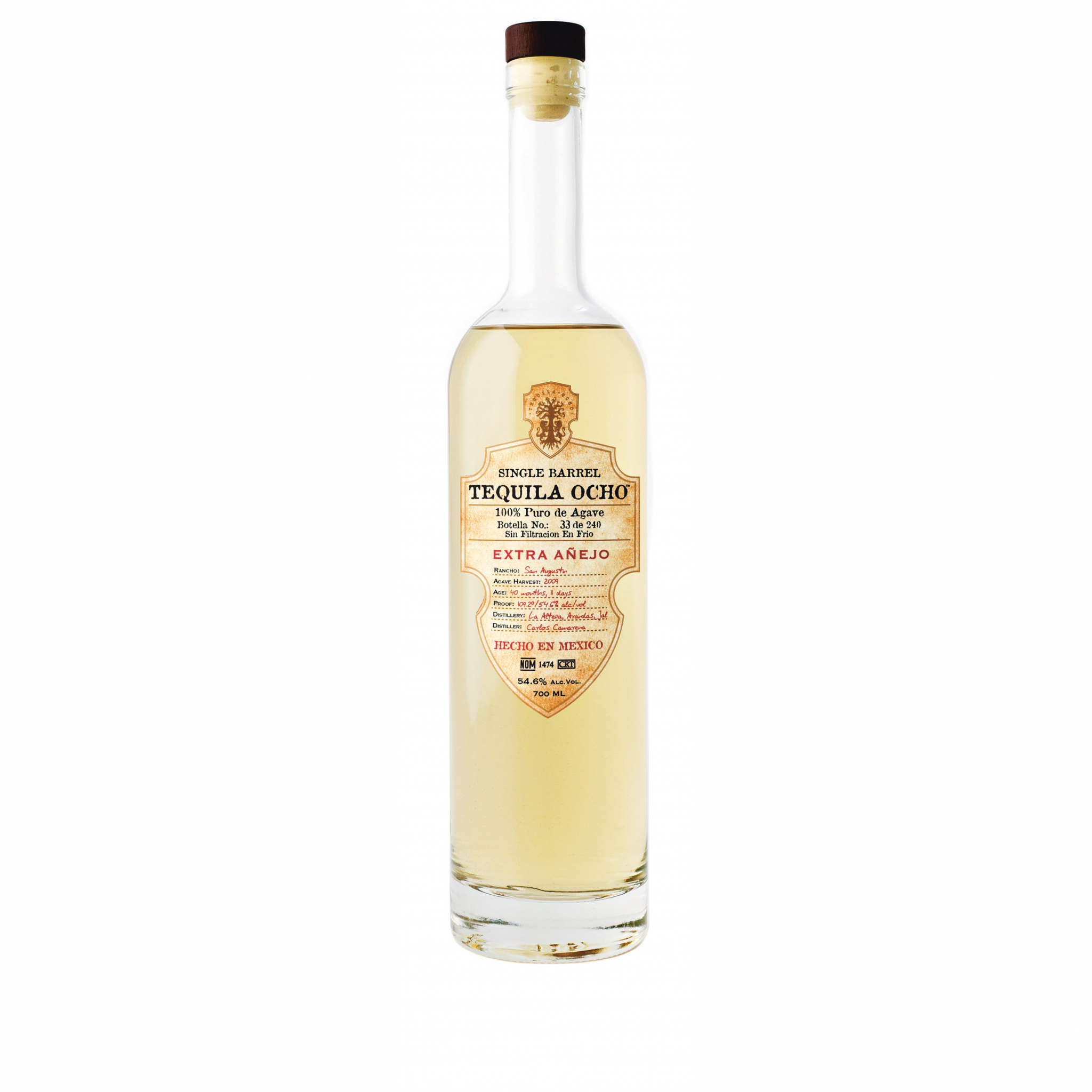
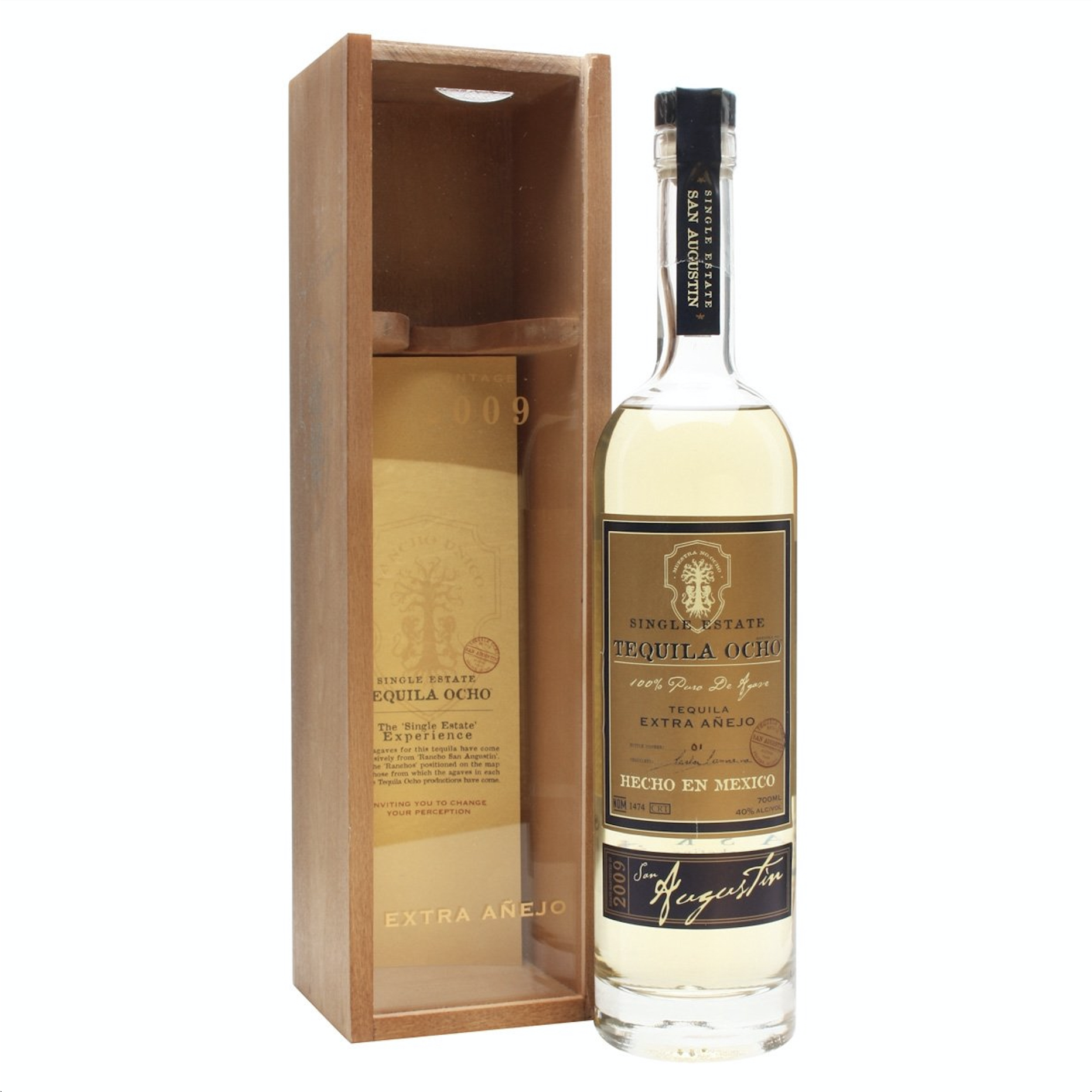
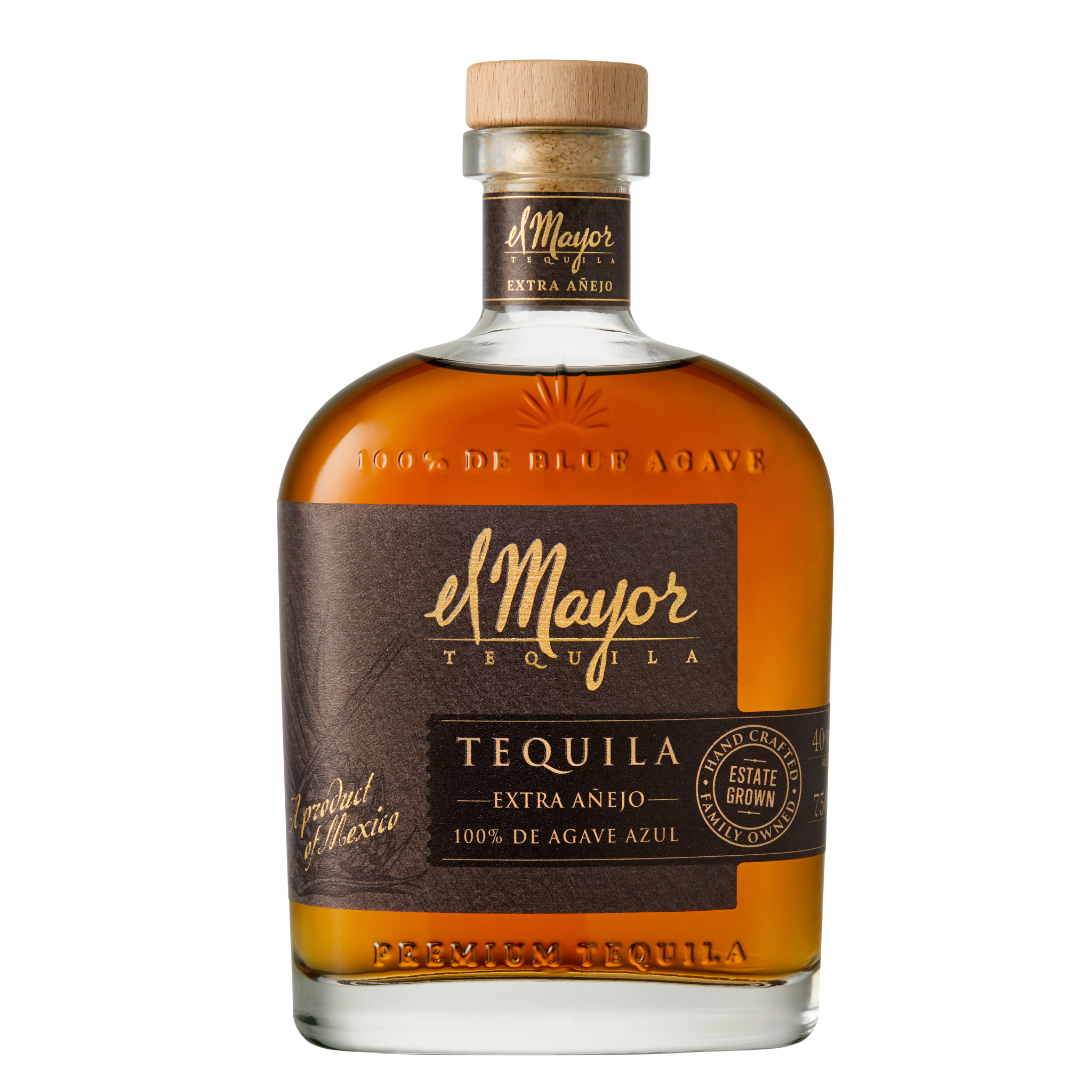
Extra Añejo: aged for over 2 years
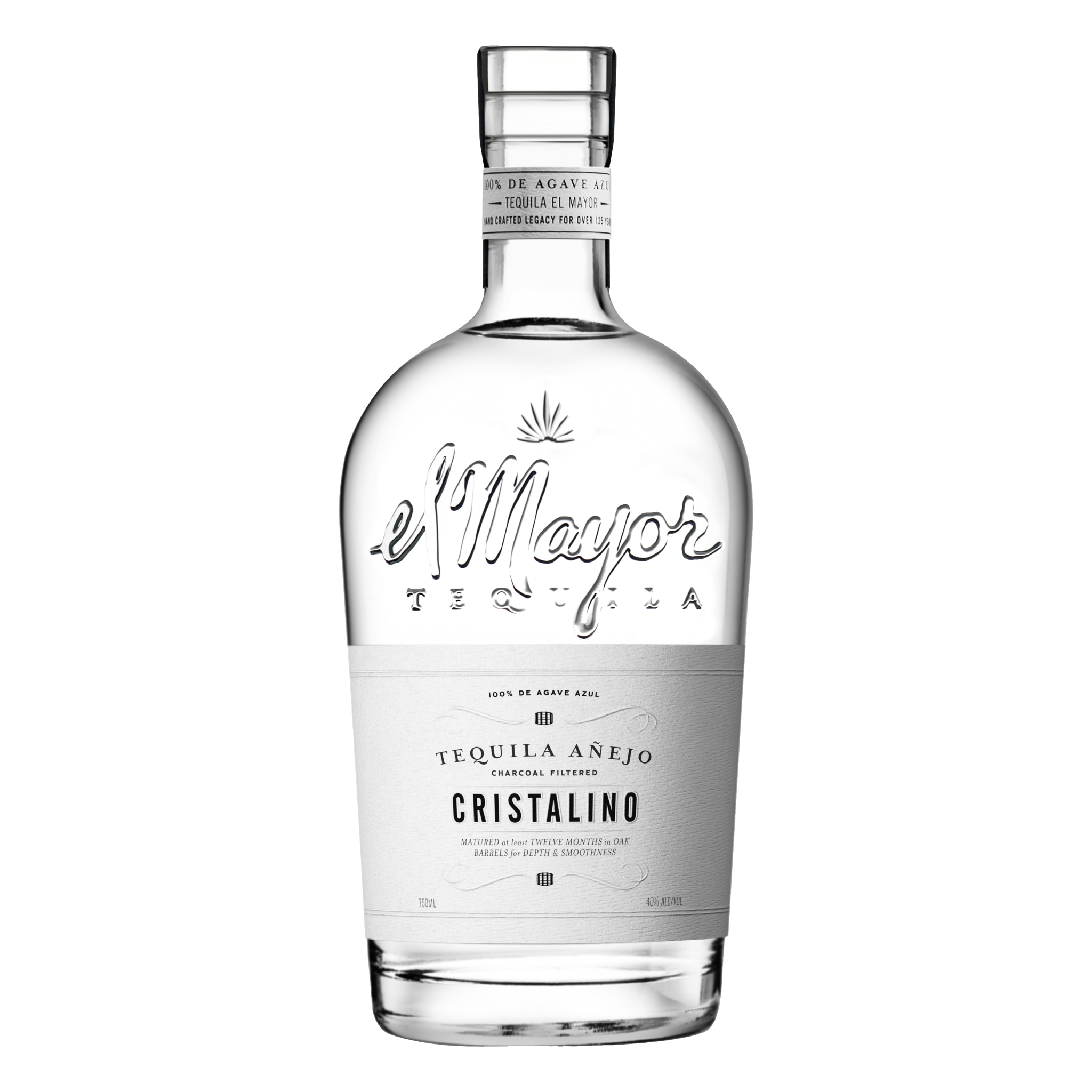
Cristallino: Aged tequila which is then filtered on charcoal for a clear spirit.