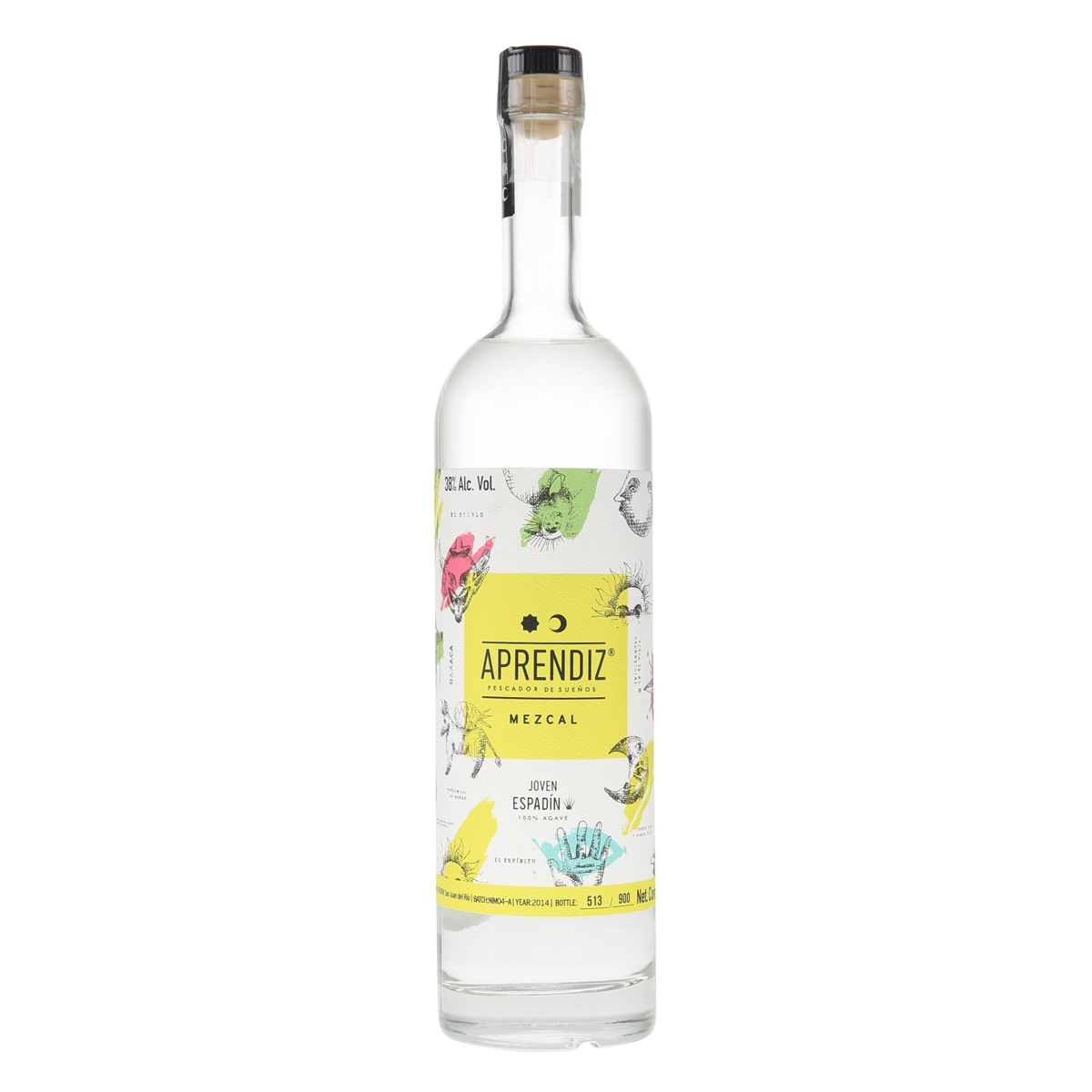
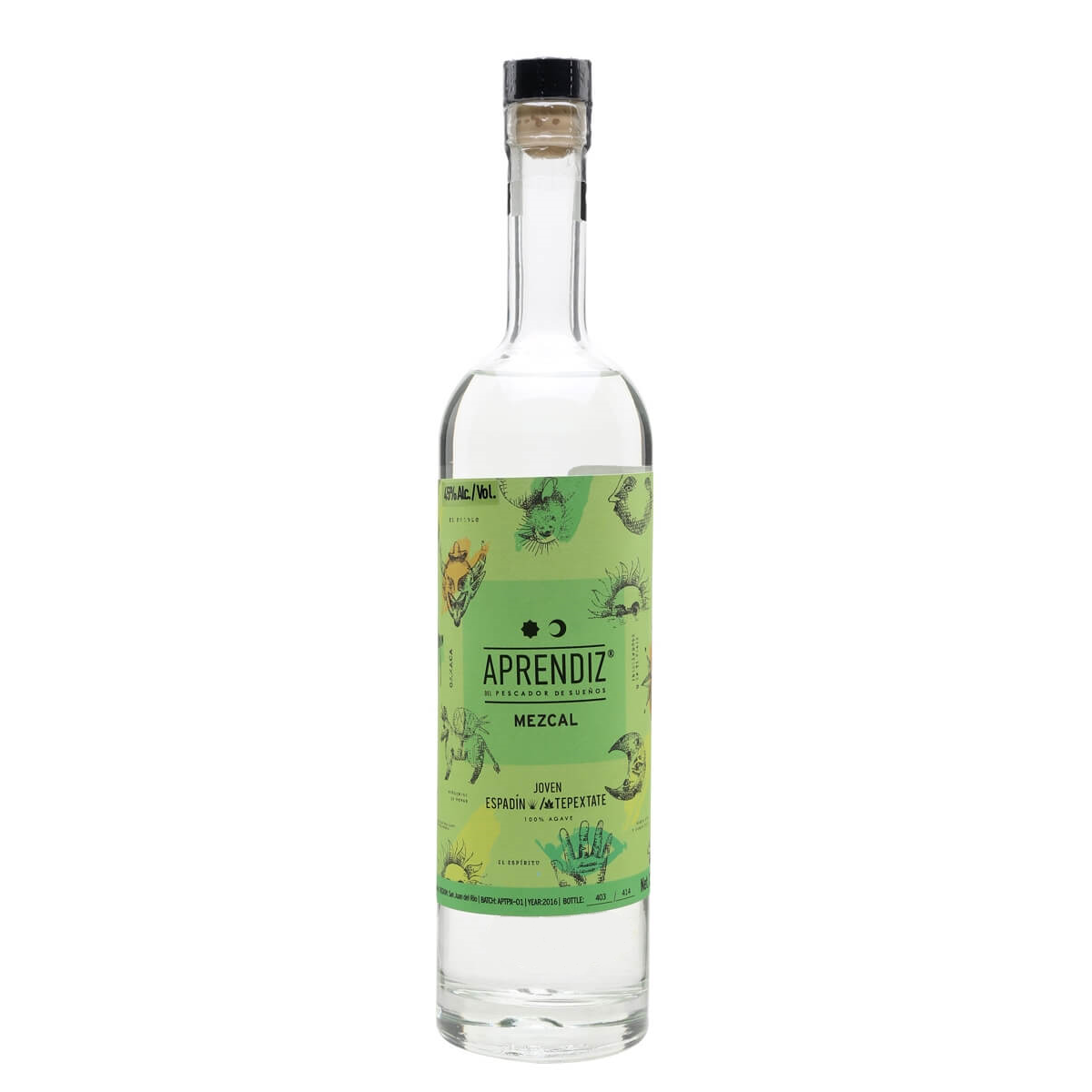
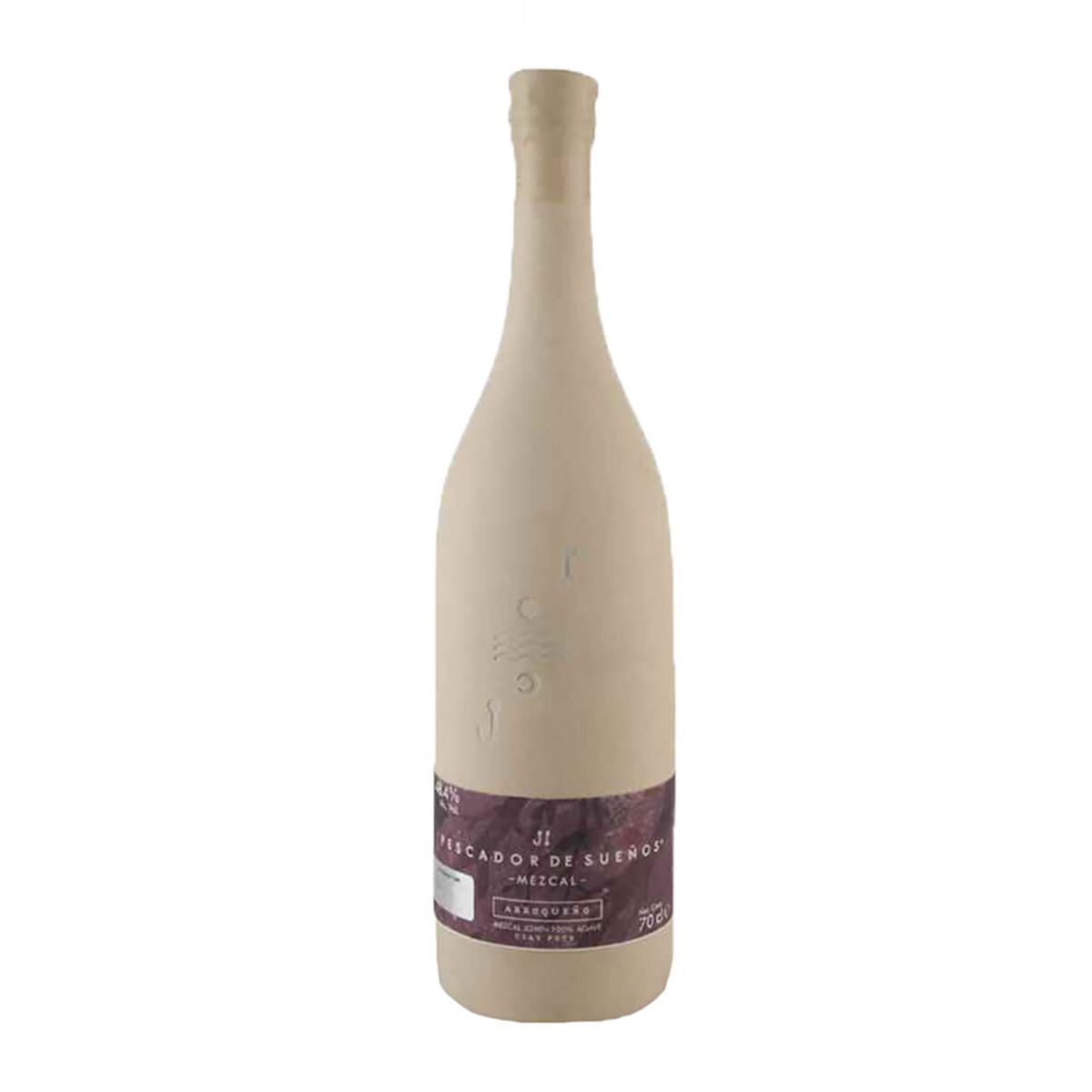
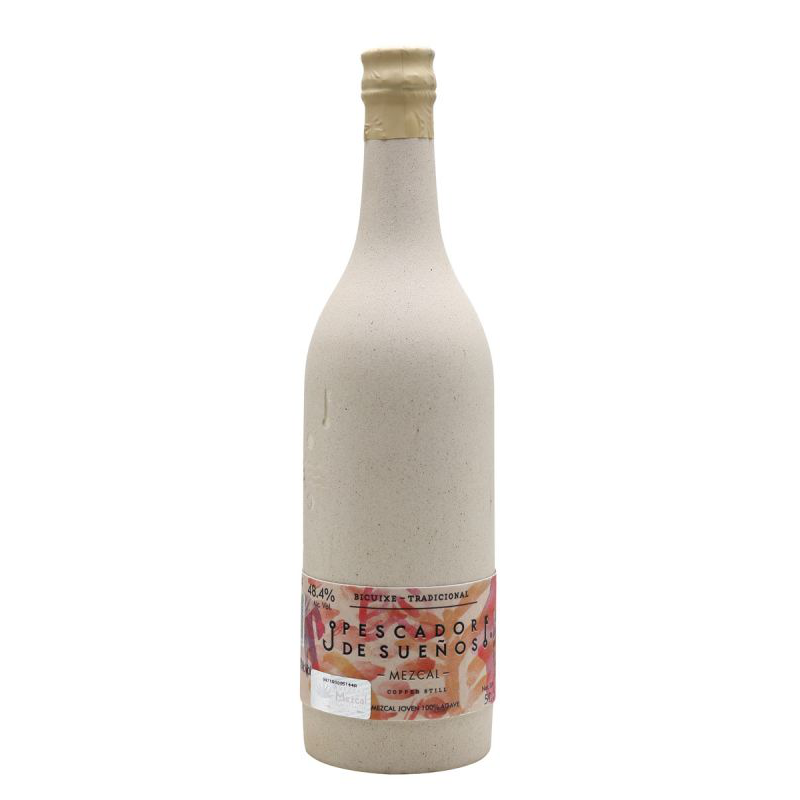
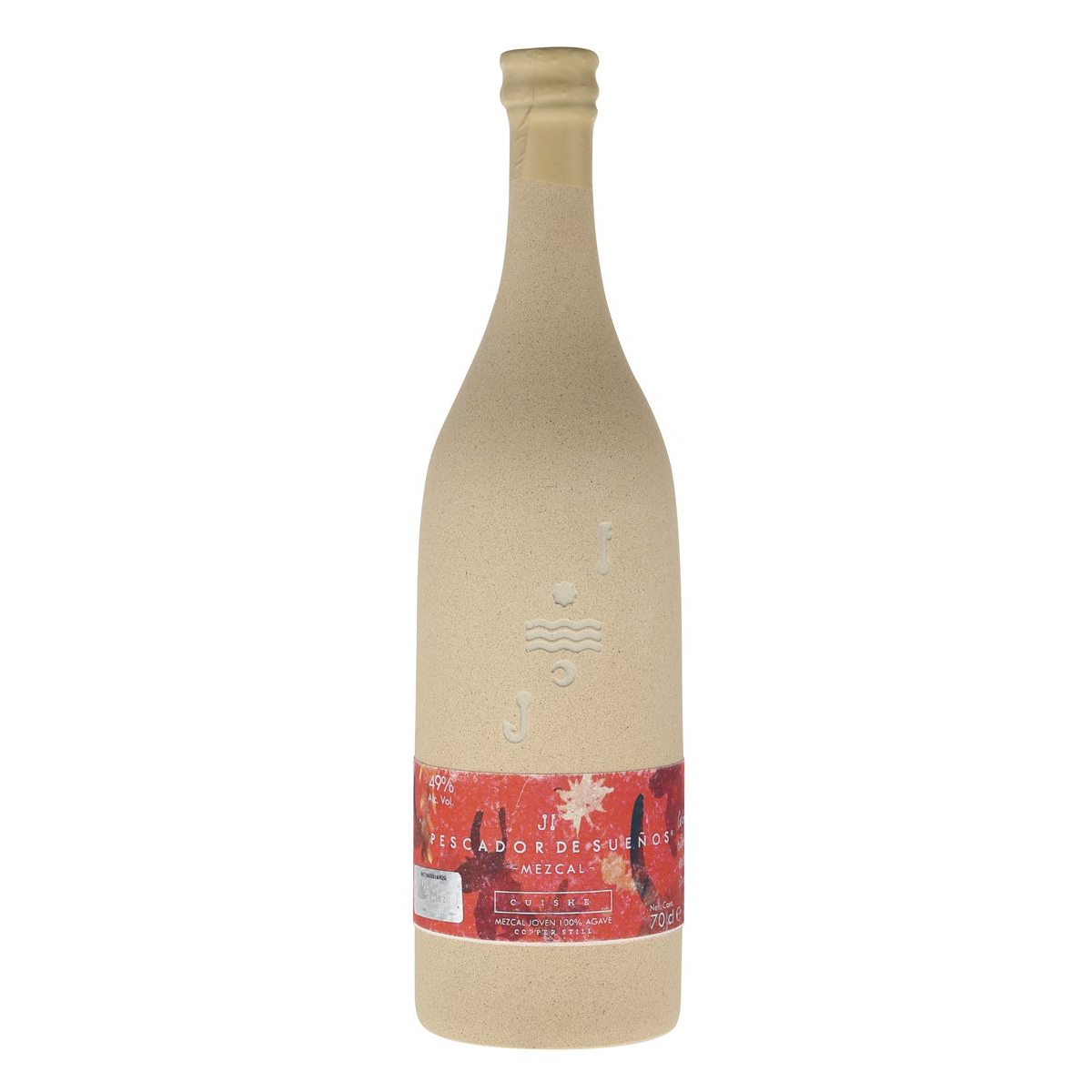
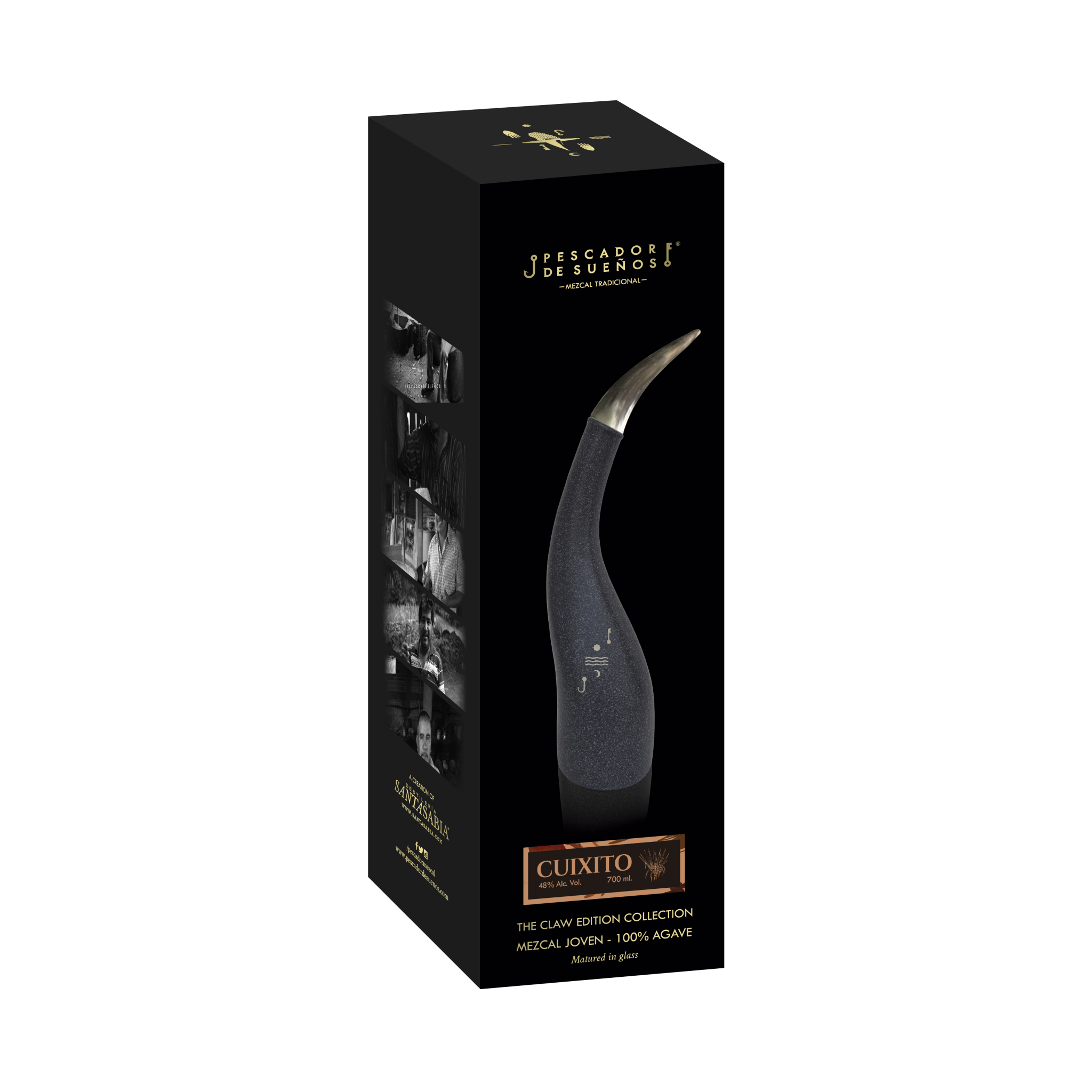
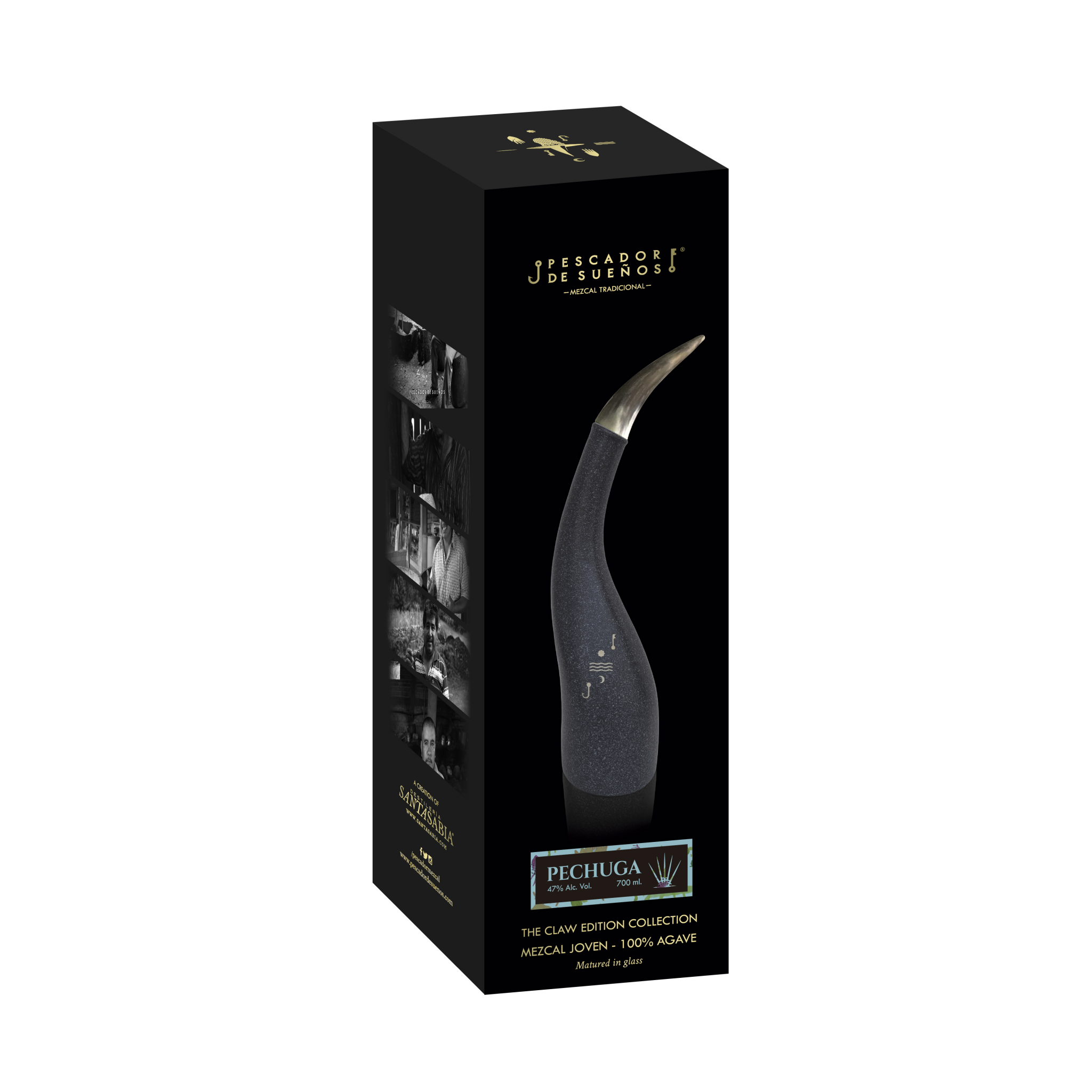
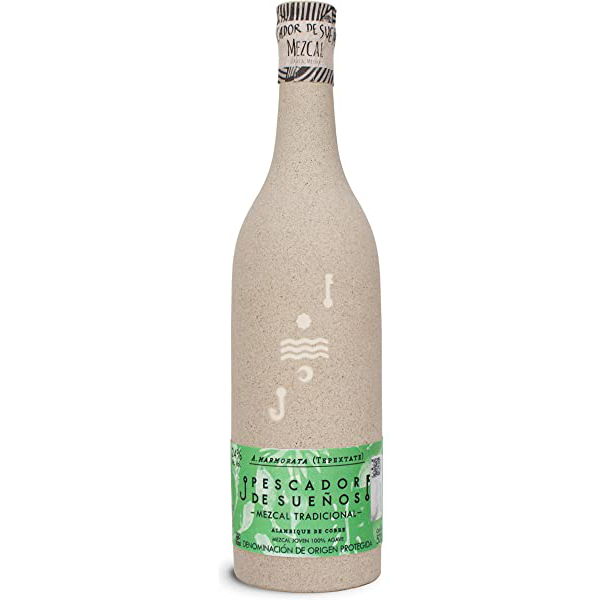
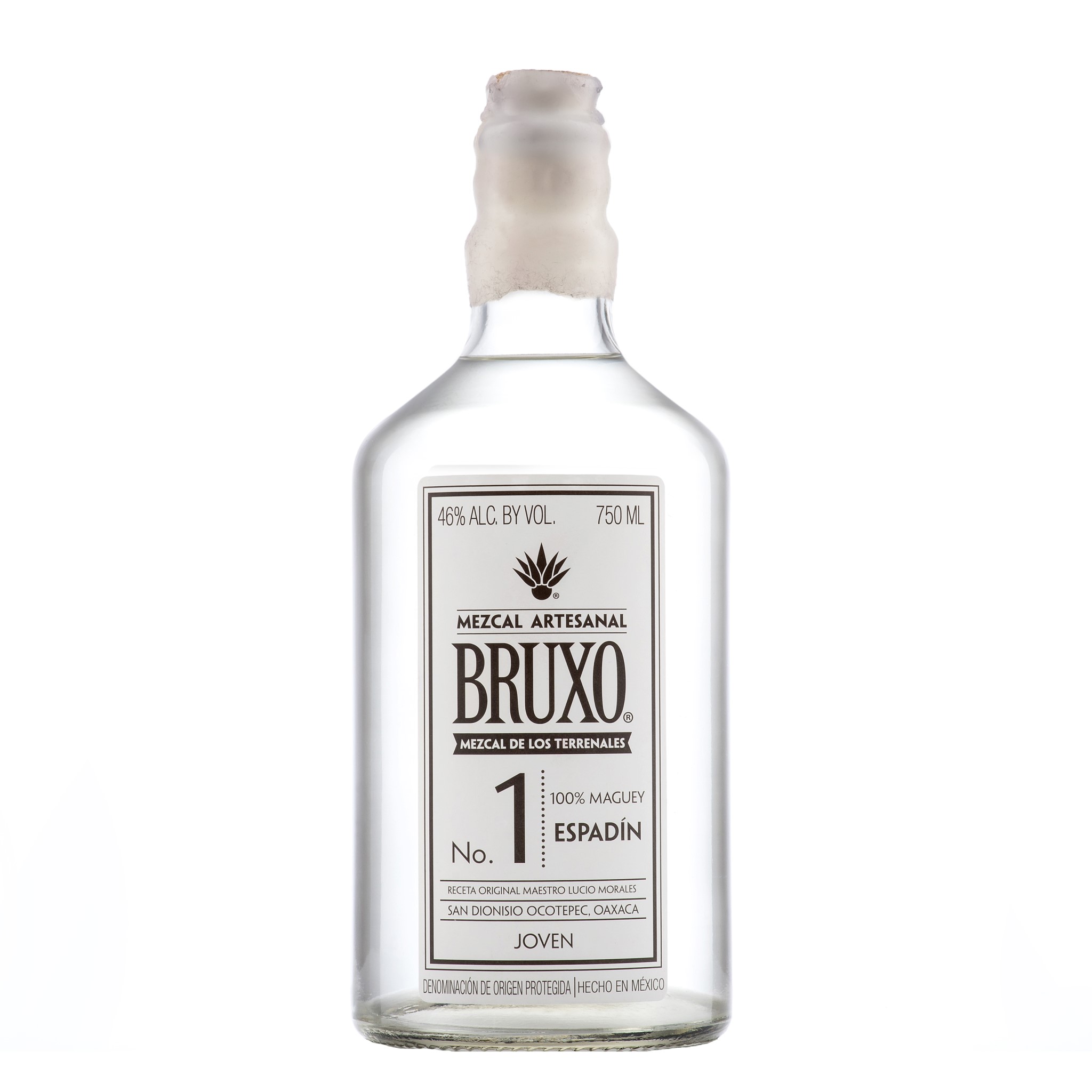
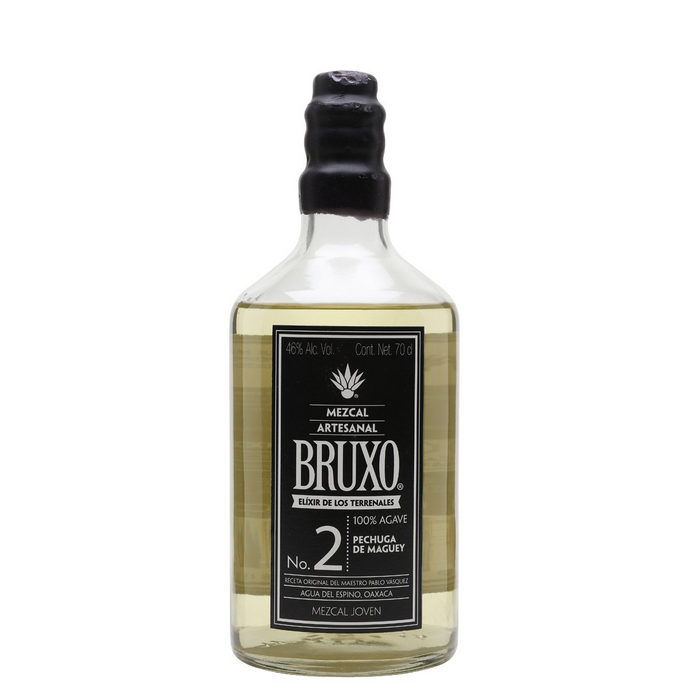
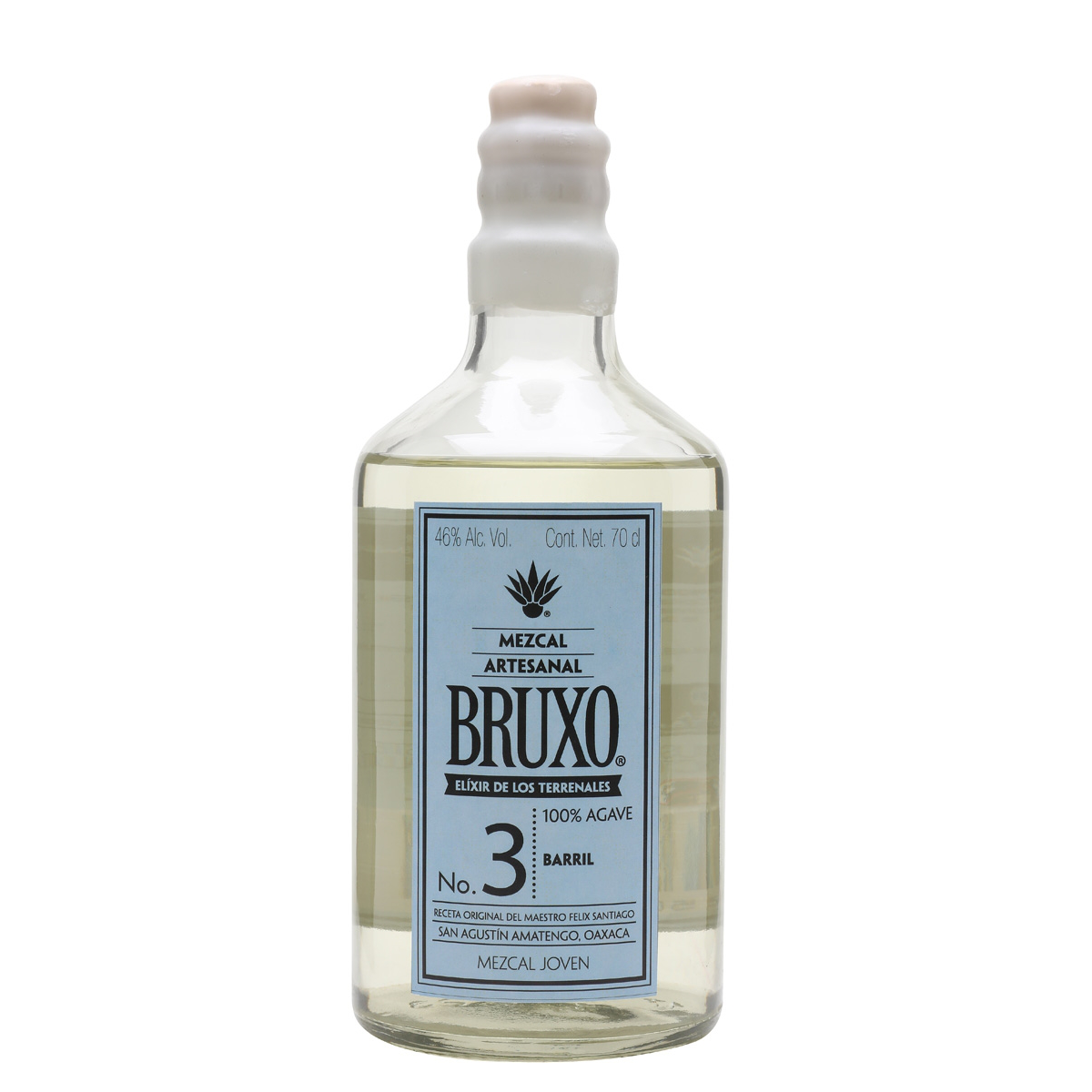
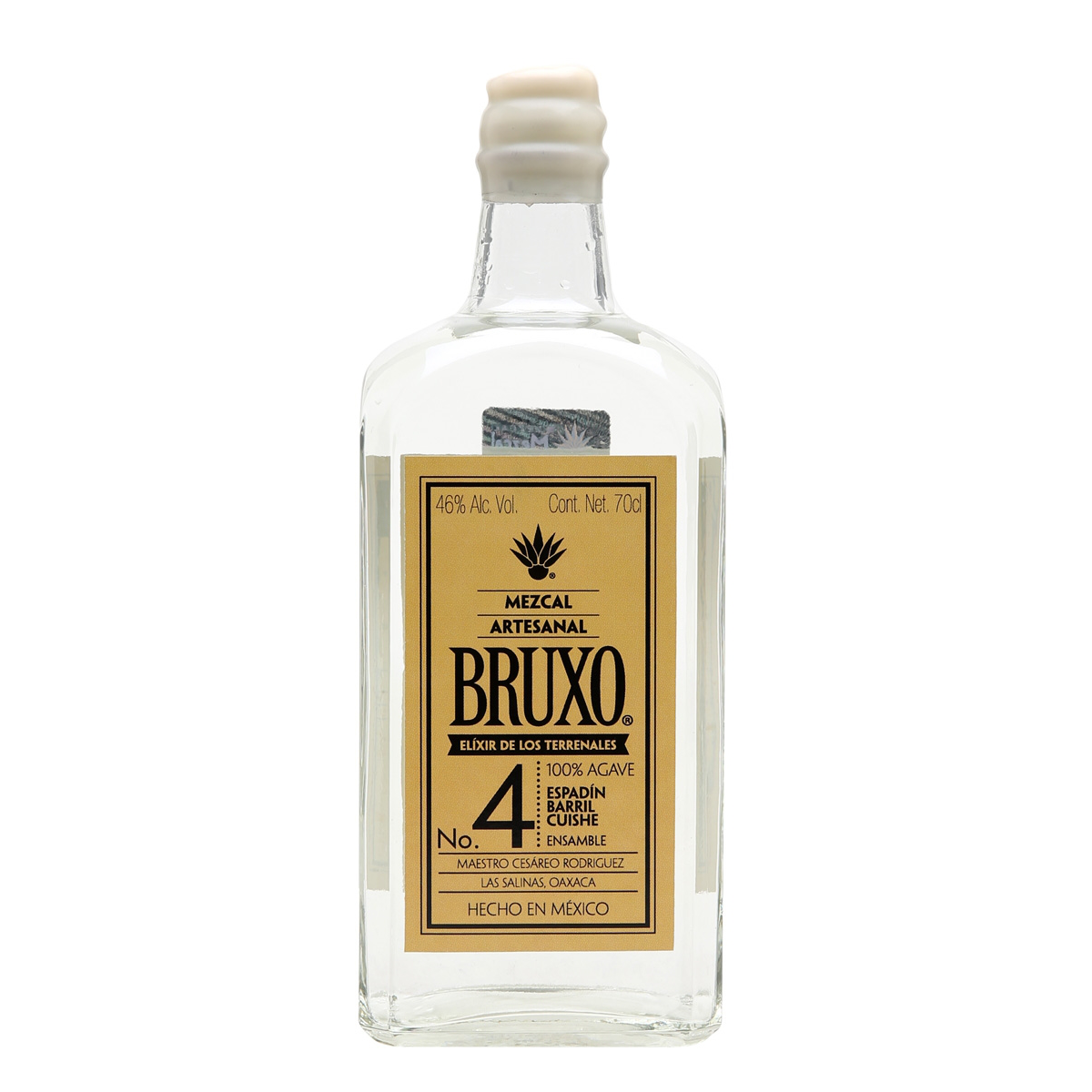
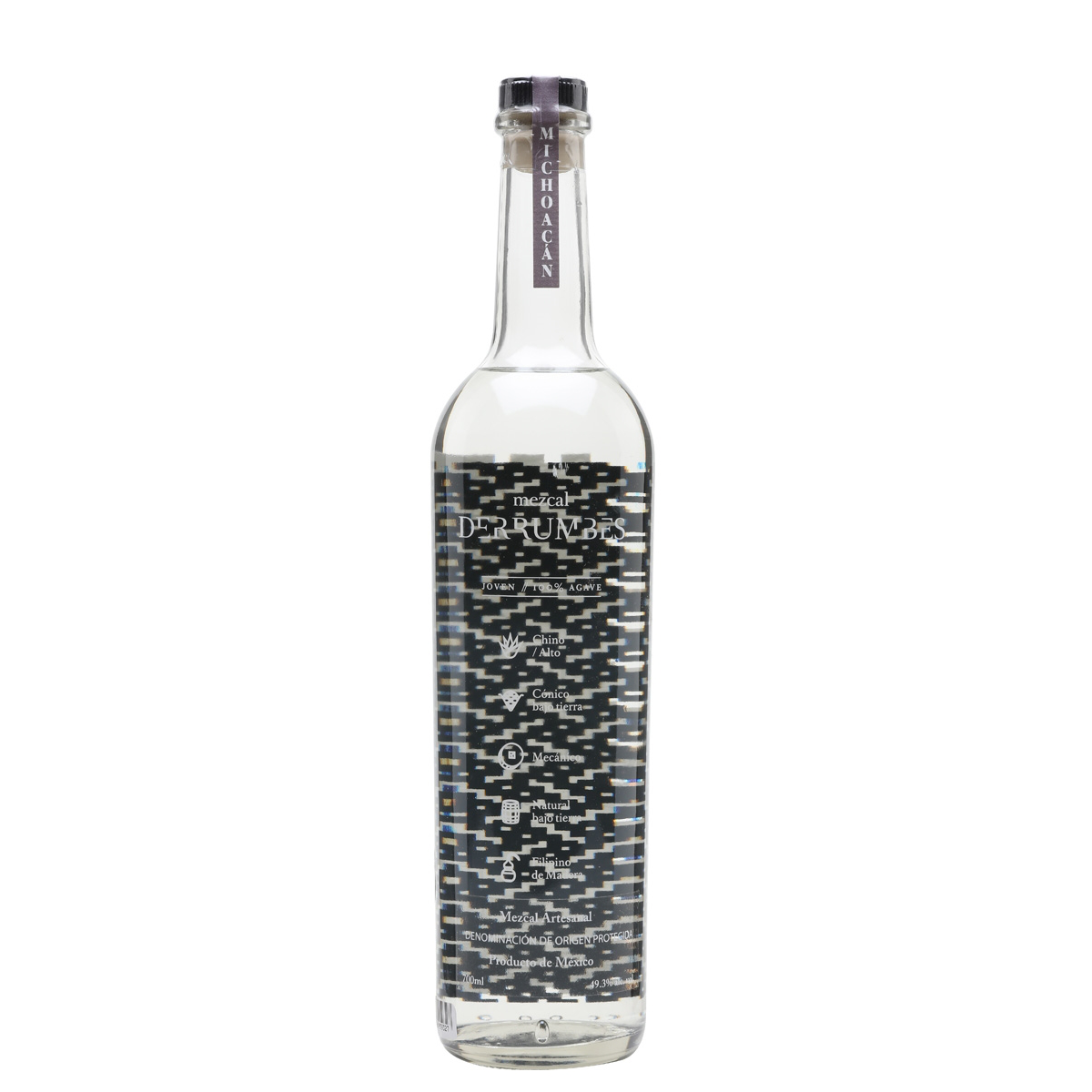
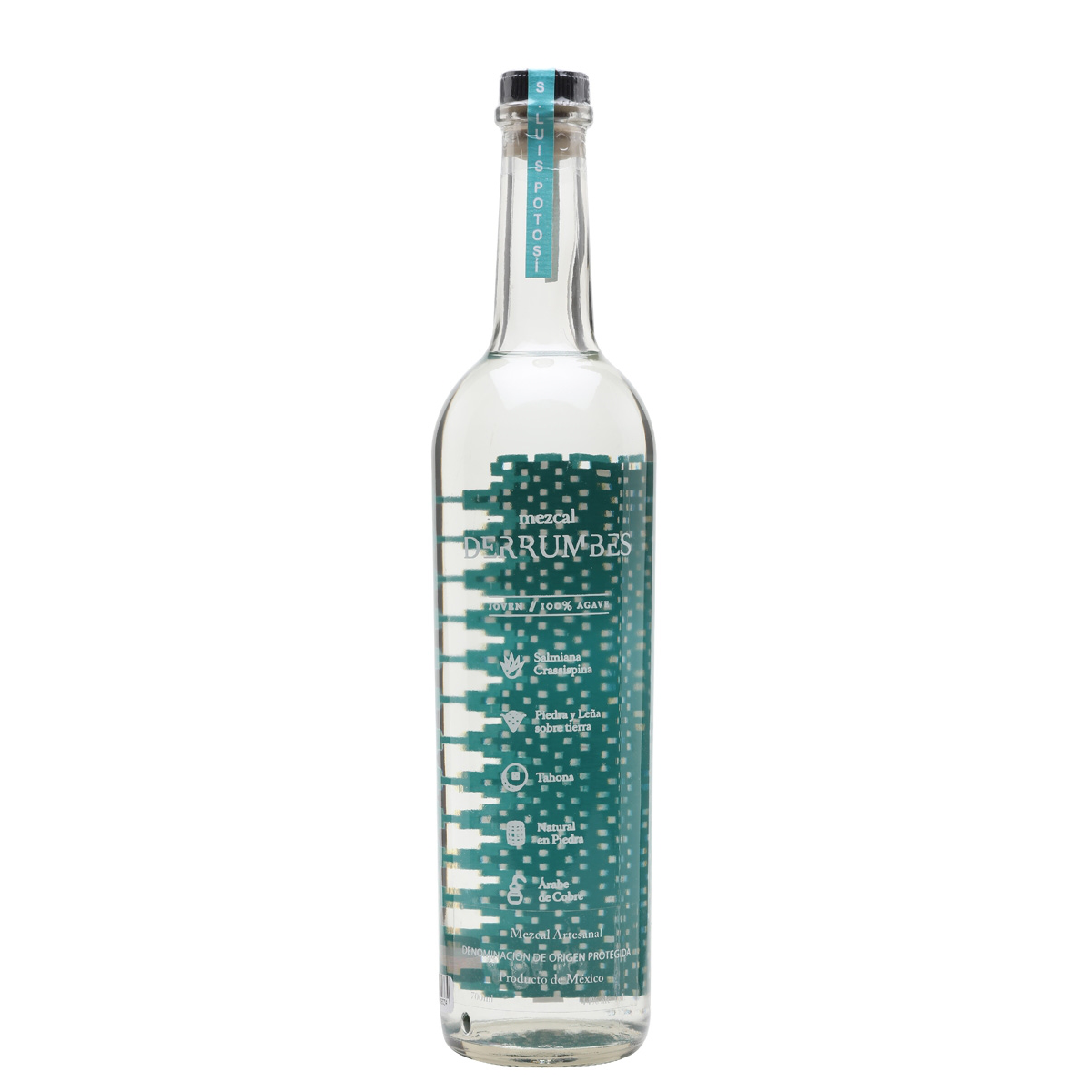
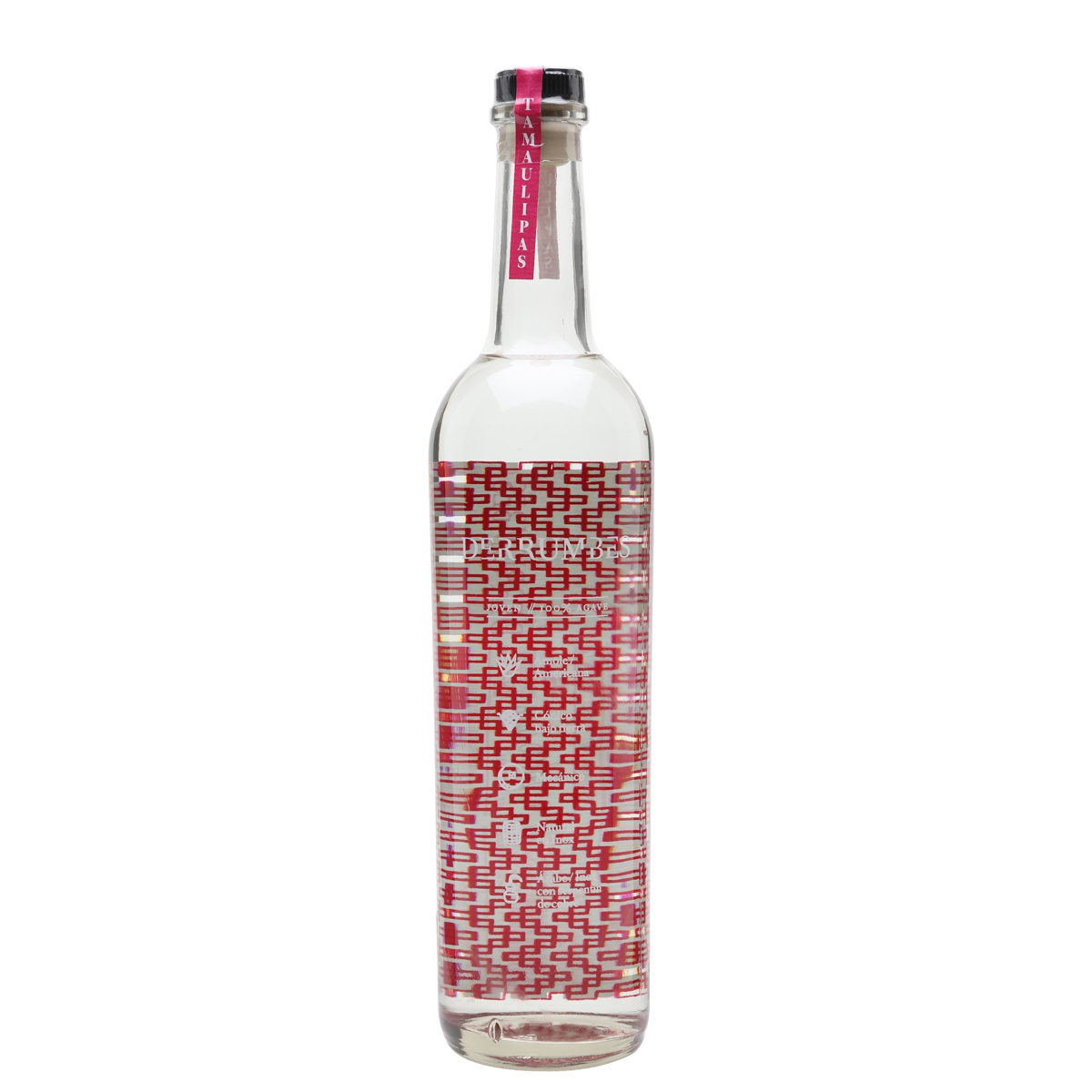
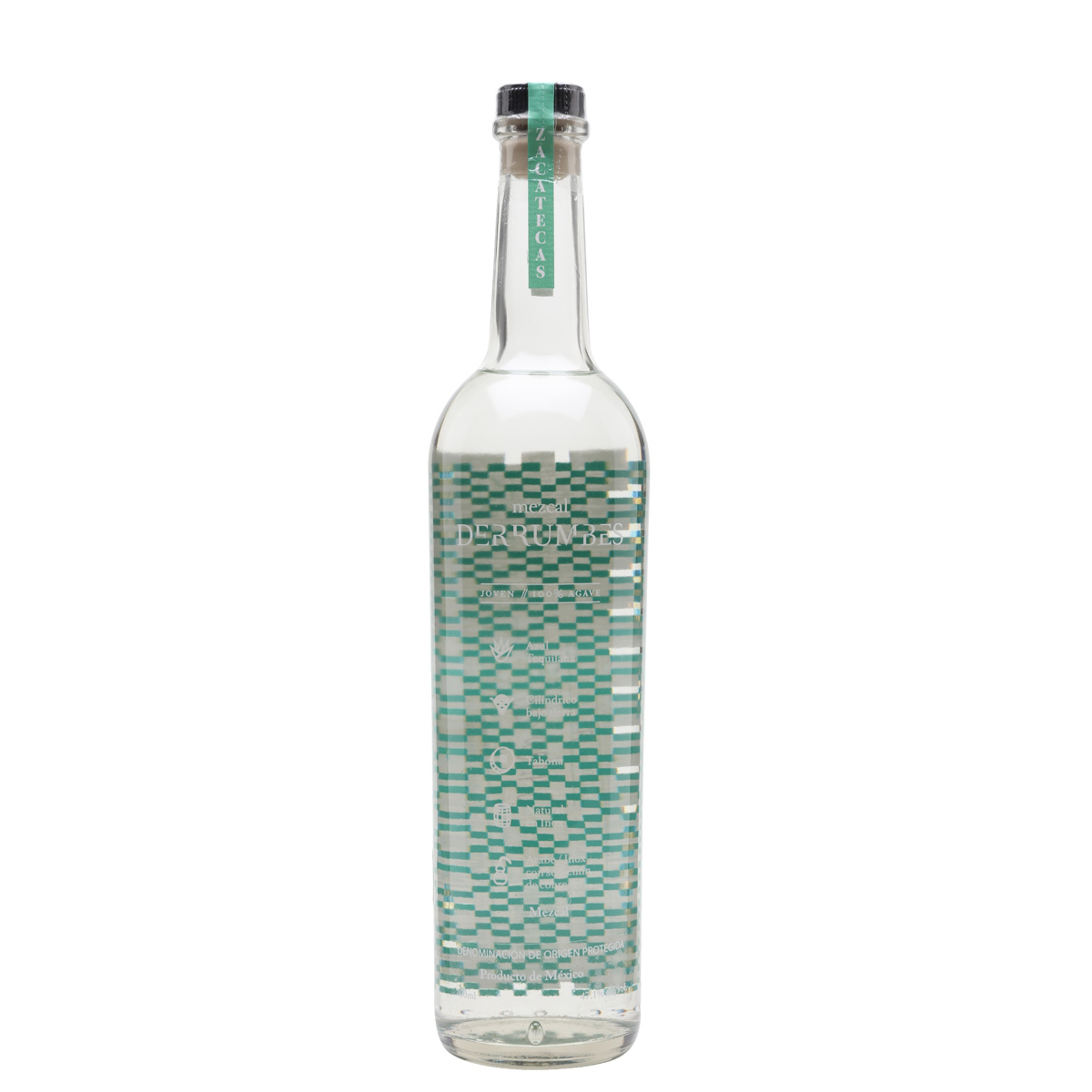
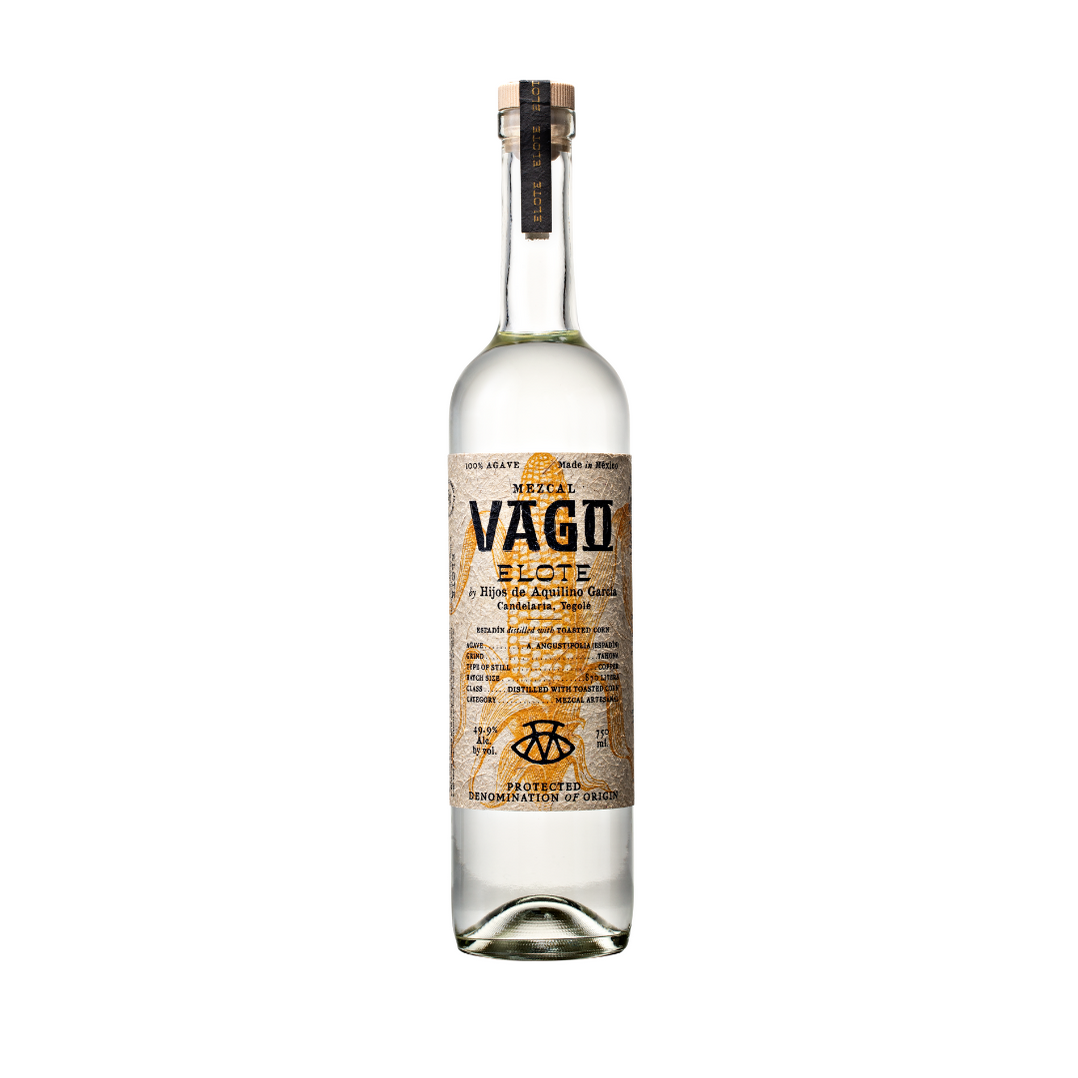
Mezcal is the common name for a wide variety of spirits all made from the Agave plant, coming from Mexico. Oftentimes considered the ancestor of Tequila and its ‘smokey’ cousin. While we discuss the topic of Mezcal, it’s important to distinguish the differences between what can be historically called Mezcal, and what can legally be called Mezcal.
Historically all spirits distilled out of agave would have been considered Mezcal, or more accurately ‘Mezcal de Maguey’. The practice of cooking agave, fermenting and distilling was widespread throughout Mexico and many regions had their own specific style. It’s from this point that many other spirits start coming into their own and we now distinguish Mezcal from Tequila, Sotol, Bacanora, Raicilla and more. Each having their own specific styles, raw materials and techniques.
Nowadays Mezcal is a protected spirit, having its own laws, rules and denomination of origin. In modern times, there are only 10 states which can produce what is recognized as Mezcal;
Oaxaca, Taumalipas, Michoacan, Durango, Zacatecas, San Luis Potosi, Guerrero, Guanajuato, Puebla and Sinoloa. However, as popularity rises and mezcal producers are becoming more and more vocal about their profession, there is the expectation that more states will be included in the denomination of origin in the future.
Out of all these states, Oaxaca produces about 80% or more of the commercially available mezcal.
There is no limit on the raw material that can be used in the production of Mezcal, except that it has to be made from 100% agave. The variety of agave can be anything and brings its own unique flavor to the product. Sometimes even more than one variety of agave can be used in the production, resulting in what is known as a ‘Ensemble’ style of Mezcal.
Within mezcal we can make a distinction between 3 separate styles, all dependent on the way of production. First we simply have ‘Mezcal’, which can also be considered ‘industrial’ mezcal, meaning that for the production the use of autoclave cookers can be used and the agaves can be shredded by a roller mill. The fermentation process does not need to include any fibers and can be controlled and the distillation can even take place in a column still.
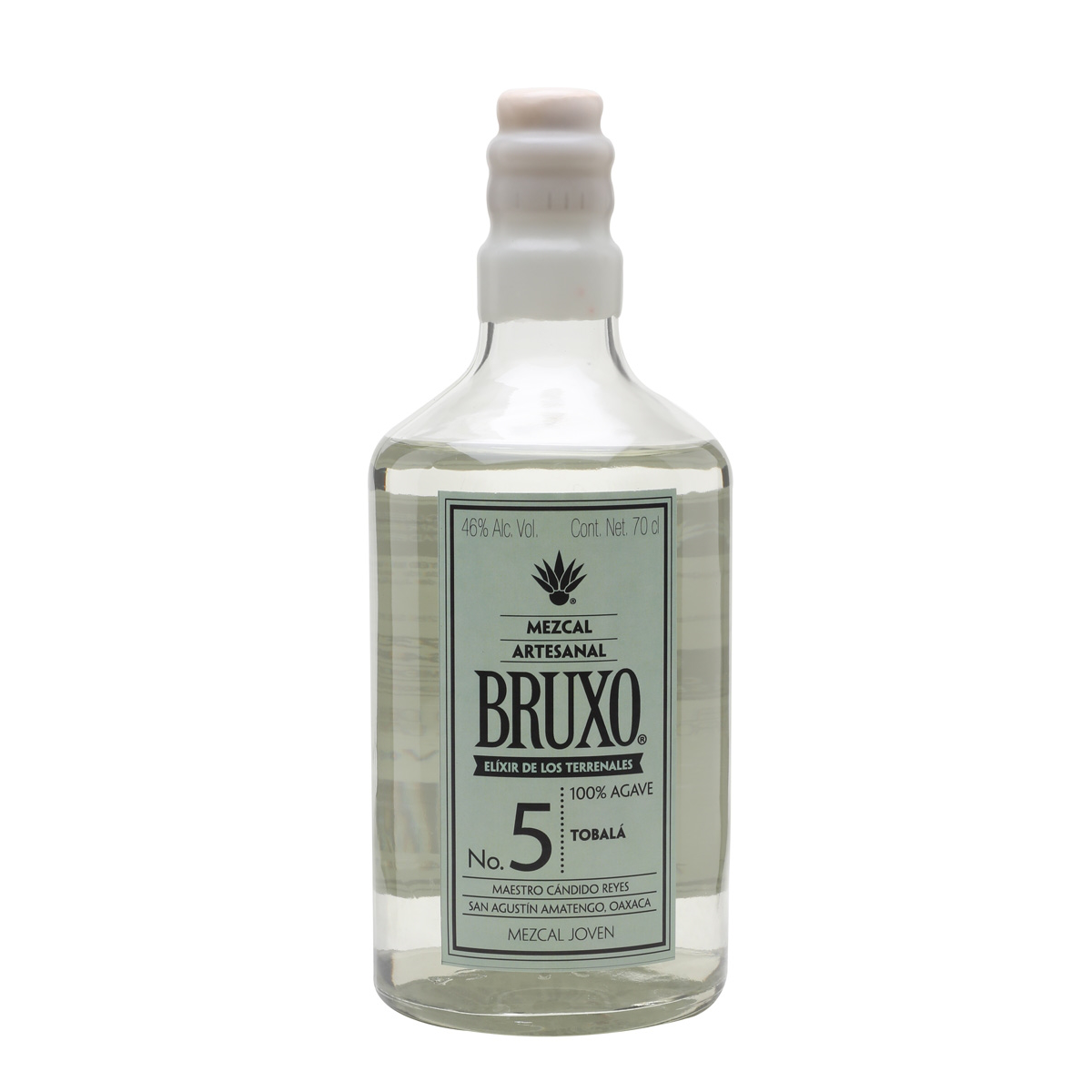
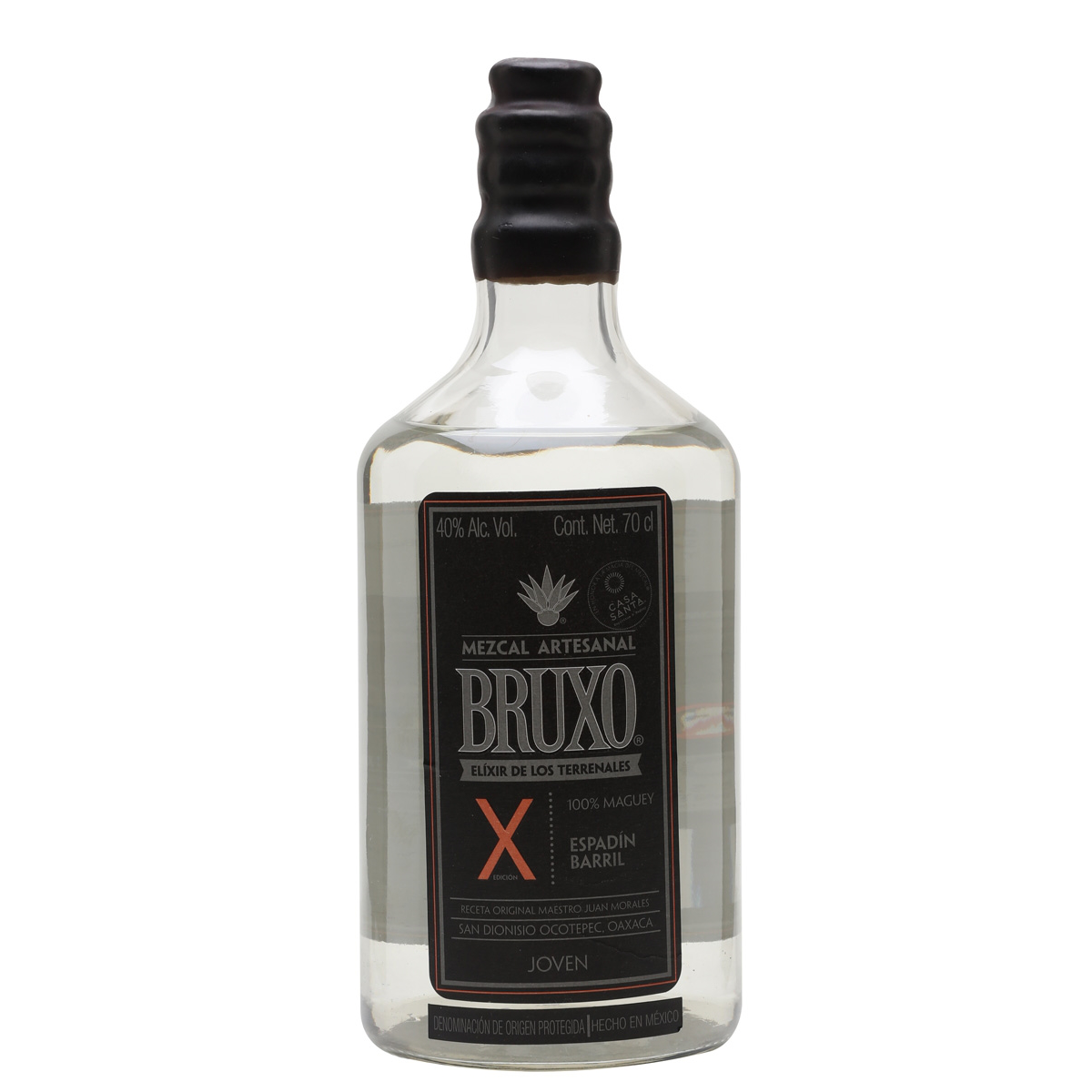
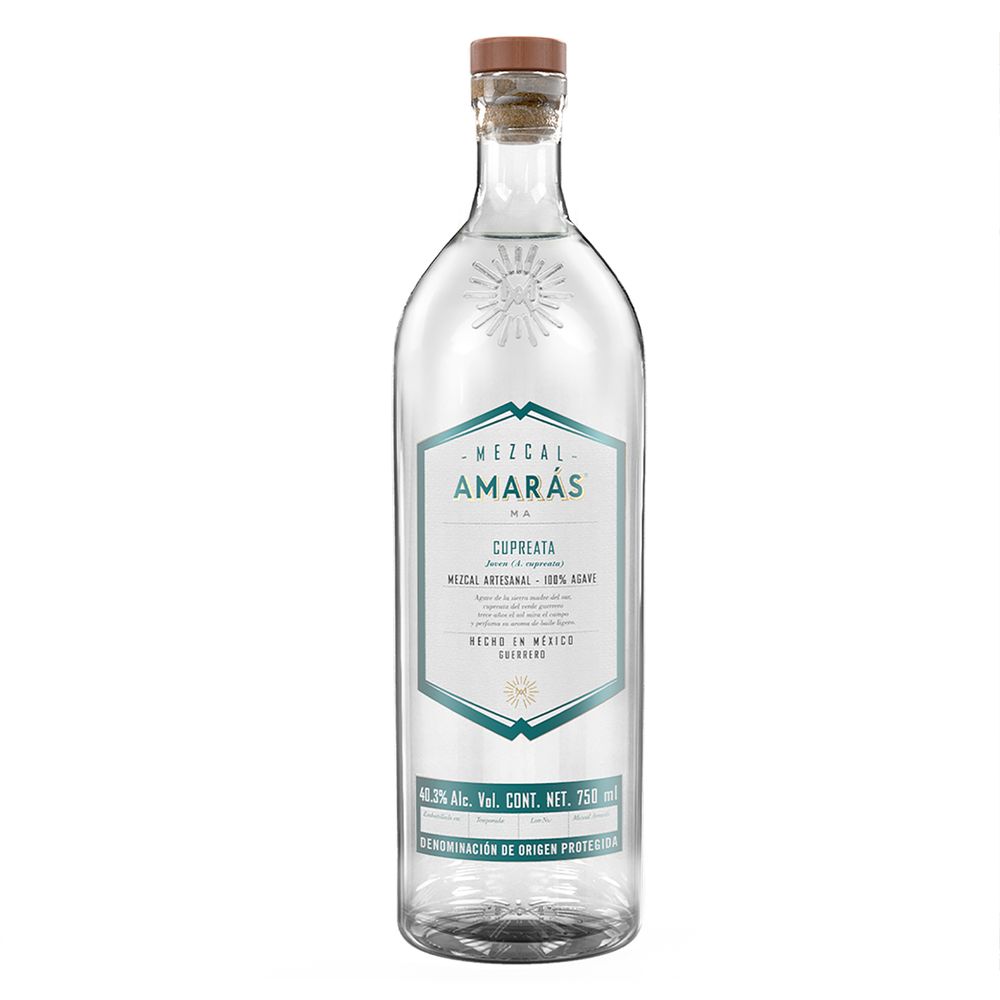
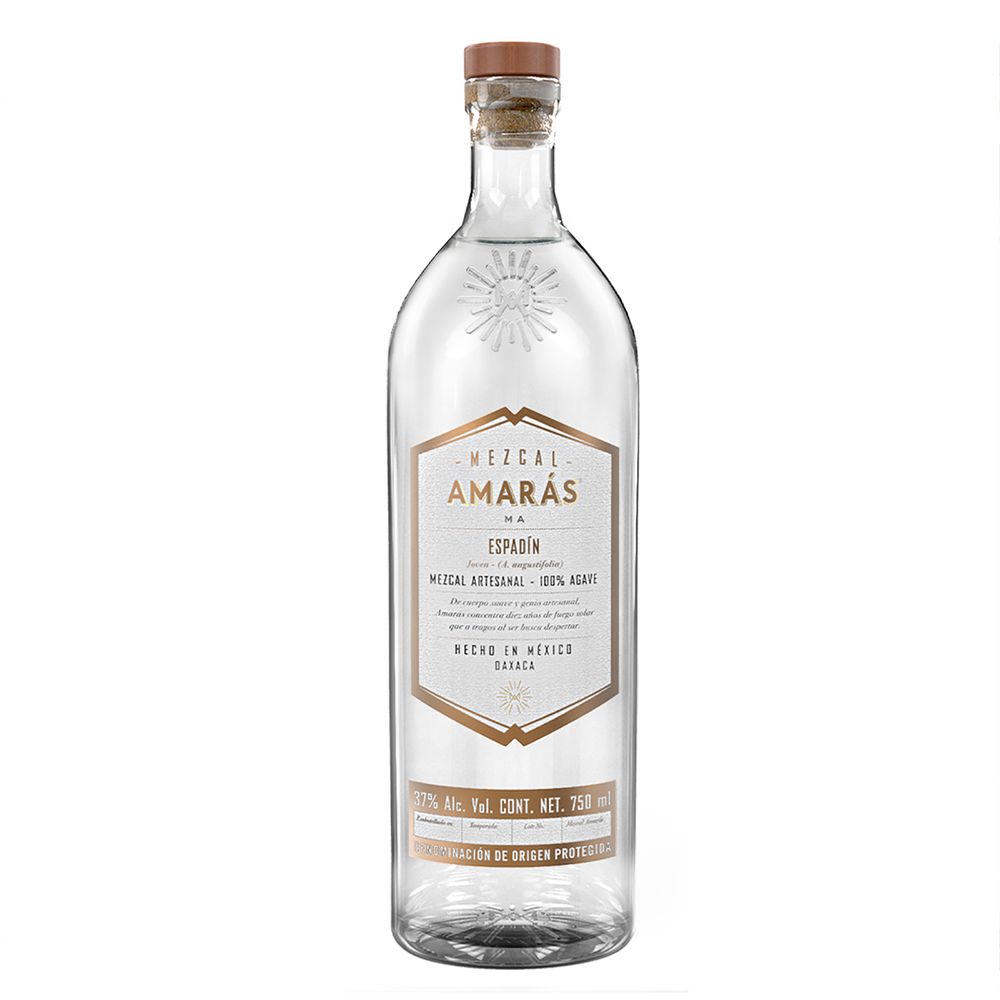
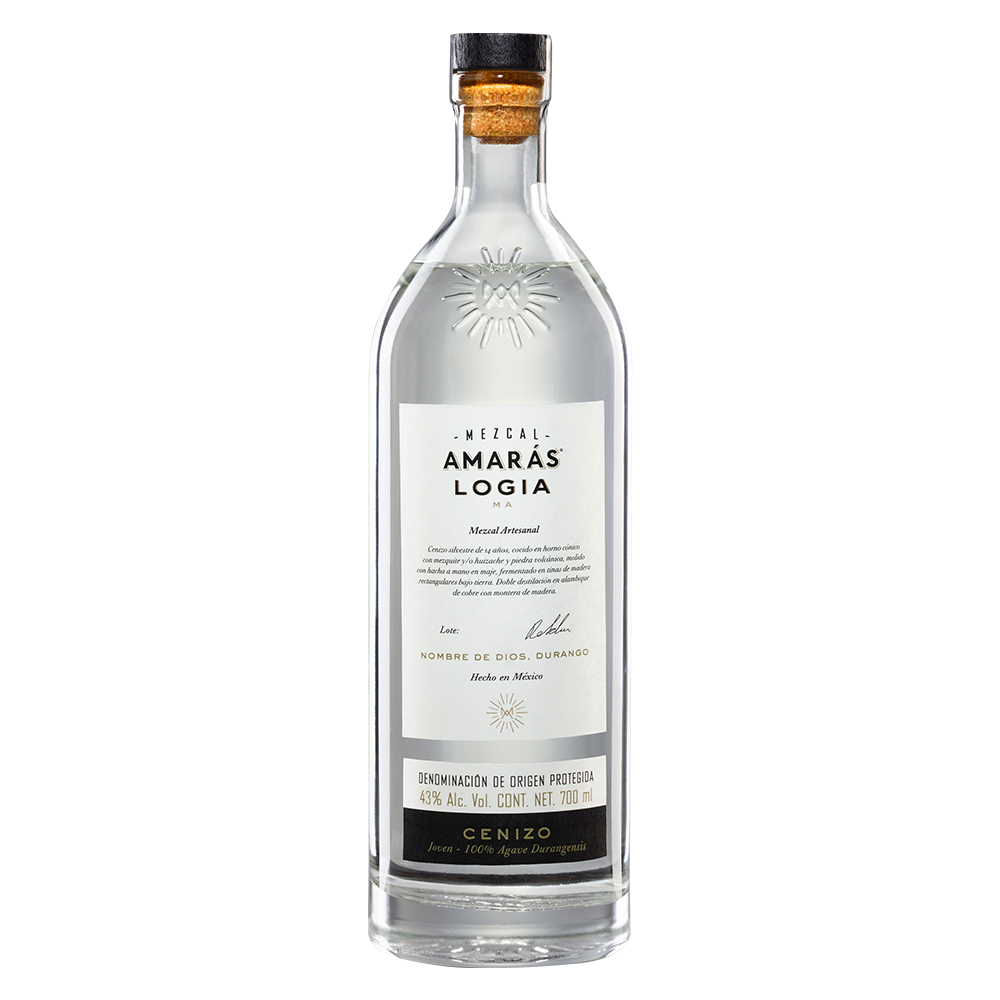
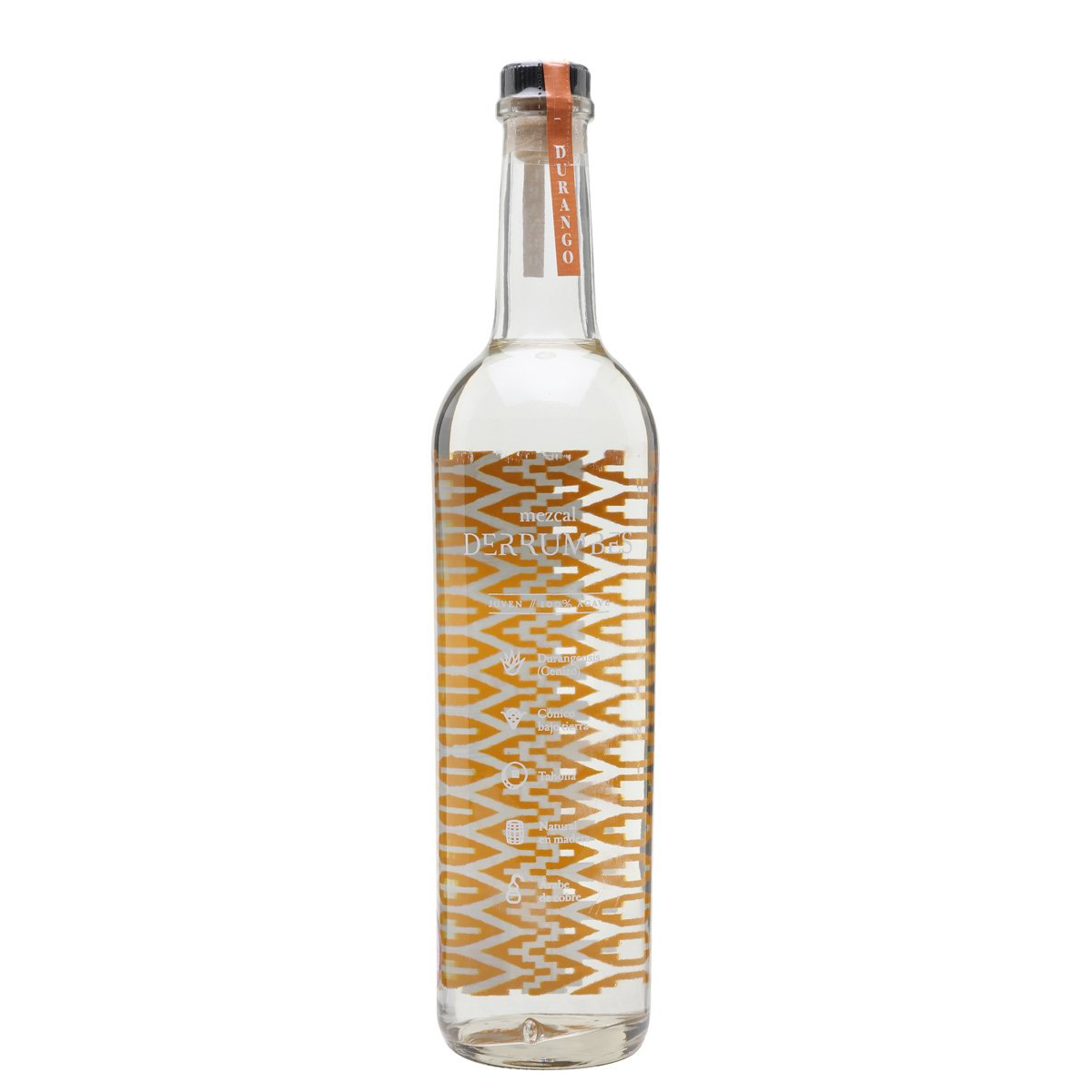
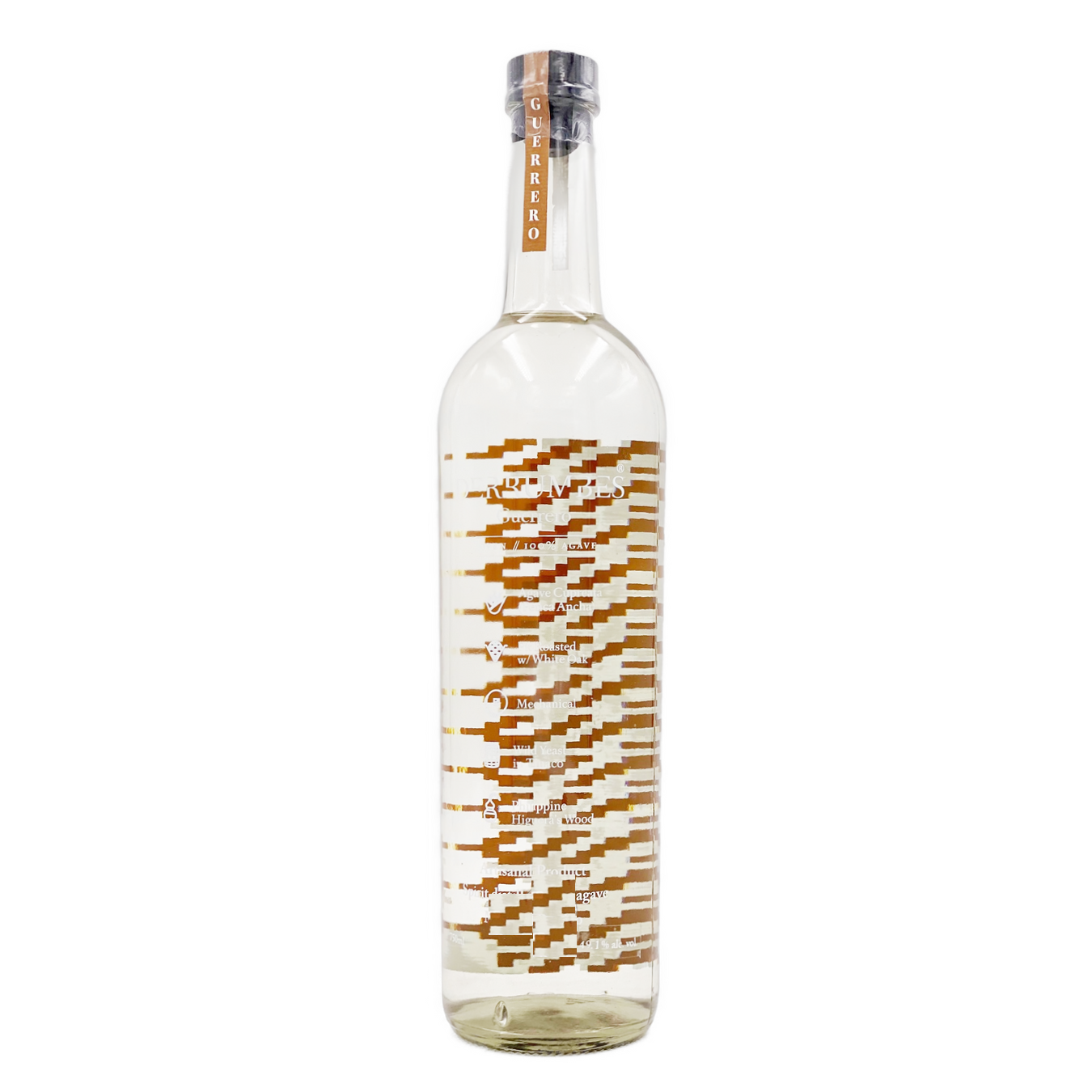
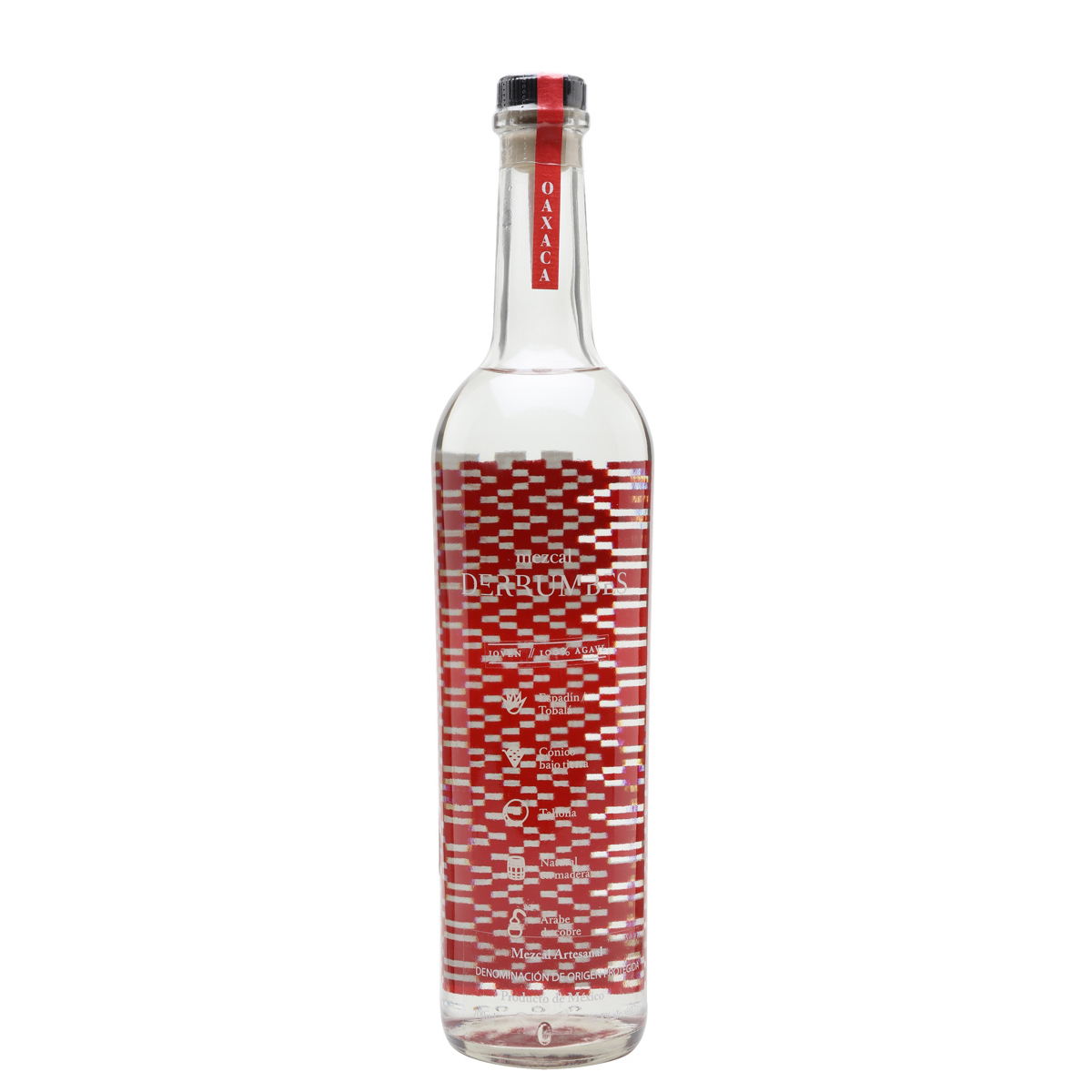
Secondly, artesanal Mezcal. Artisanal in its production, this style of mezcal has to be produced ‘by artisans’, or simply more by hand. The cooking of the agave has to happen in either brick ovens or a stone pit, the shredding done by either Tahona or by hand, the fermentation has to be natural and may use the fibers of the plant in the raw juice, and the distillation in copper or clay pots.
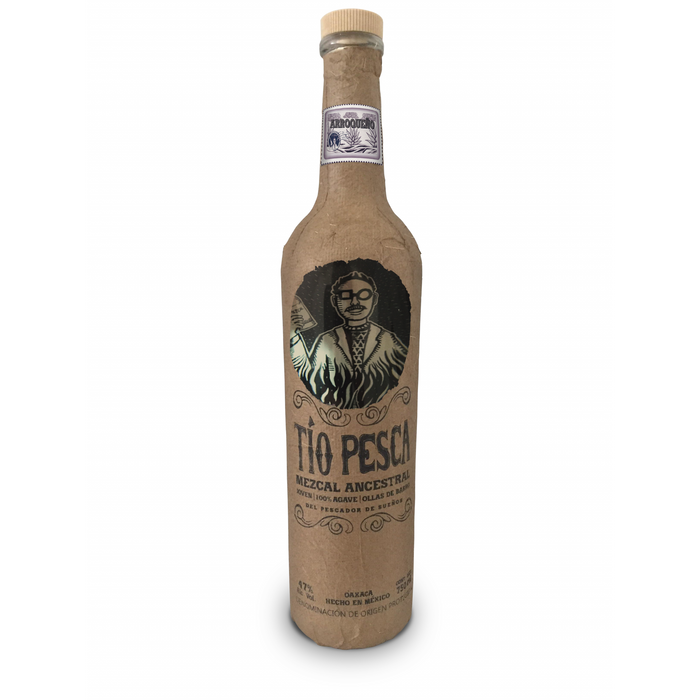
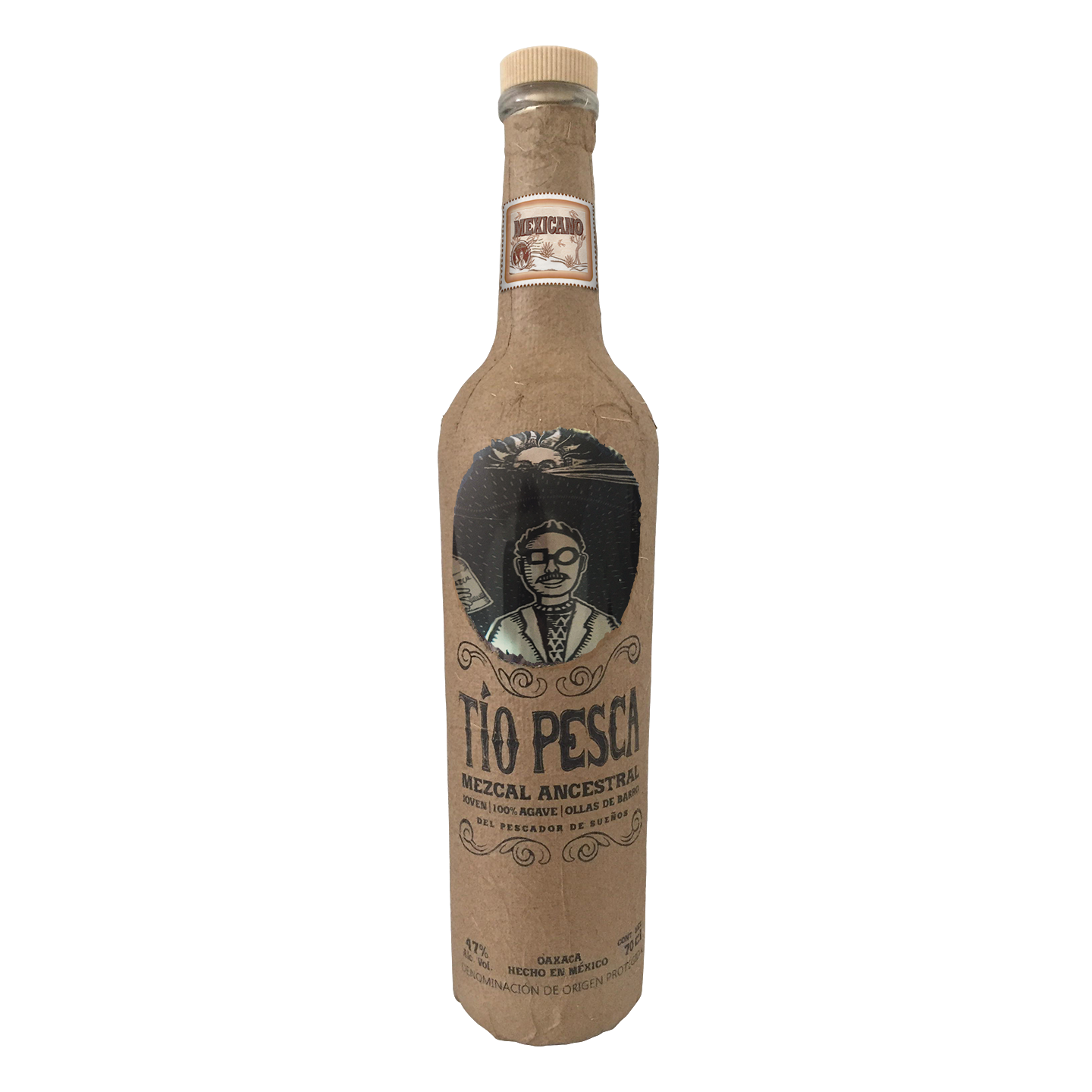
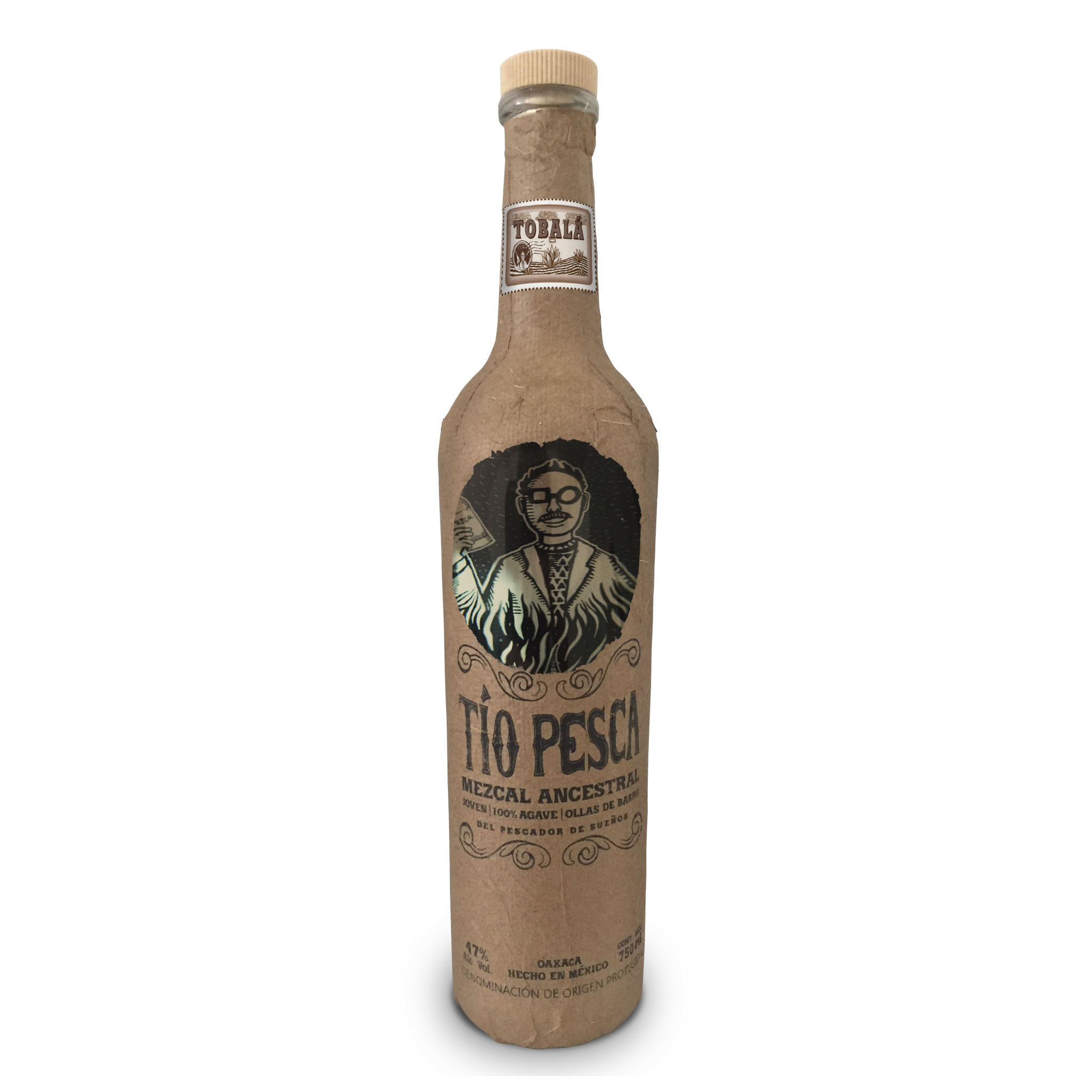
Thirdly, we make the distinction of ‘Ancestral’ Mezcal. Mezcal produced by the same way the ancestors would do it. Meaning that the cooking has to happen in a stone pit, the shredding by hand, the fermentation has to happen in the open air and has to include the fibers and the distillation in clay or wooden stills. This can be considered the most historically accurate version of what Mezcal used to be.
Although Mezcal is allowed to be used according to the same rules as Tequila, this practice is not very common.