ABOUT WORLD WHISK(E)Y
World whisky is a broad term that refers to whiskies produced outside the traditional regions of Scotland, Ireland, the United States, and Canada. In recent decades, whisky production has expanded globally, with countries like Japan, India, France, Mexico, and the Netherlands gaining recognition for their unique styles. Each region brings its own approach to whisky-making, shaped by local grains, climate, and cultural influences, contributing to the rich diversity within this category.
Key Regions
Japanese Whisky: Japanese whisky has grown in popularity since the late 20th century, known for its meticulous craftsmanship and refined, balanced flavor profiles. Modeled after Scotch whisky, Japanese distilleries use similar production methods, often employing pot stills and malted barley. However, Japanese whisky tends to be lighter, smoother, and more delicate, with floral, fruity, and often slightly smoky notes. Brands like Suntory and Nikka are among the most famous producers.
Indian Whisky: India is one of the largest whisky markets in the world, though much of its production does not adhere to traditional whisky definitions. Many Indian "whiskies" are made from molasses rather than grain, similar to rum. However, premium Indian whiskies, such as Amrut and Paul John, use barley and are made using more conventional methods. These whiskies are often bold, rich, and influenced by the warm climate, which accelerates aging.
Dutch Whisky: The Netherlands has a small but growing whisky industry, with producers like Zuidam Distillers leading the way. Dutch whisky is known for its artisanal approach, often using local grains like rye and barley. Dutch distilleries also experiment with aging whisky in a variety of cask types, including those previously used for Dutch spirits like jenever. The resulting whiskies tend to be complex, with a mix of spicy, fruity, and malty flavors.
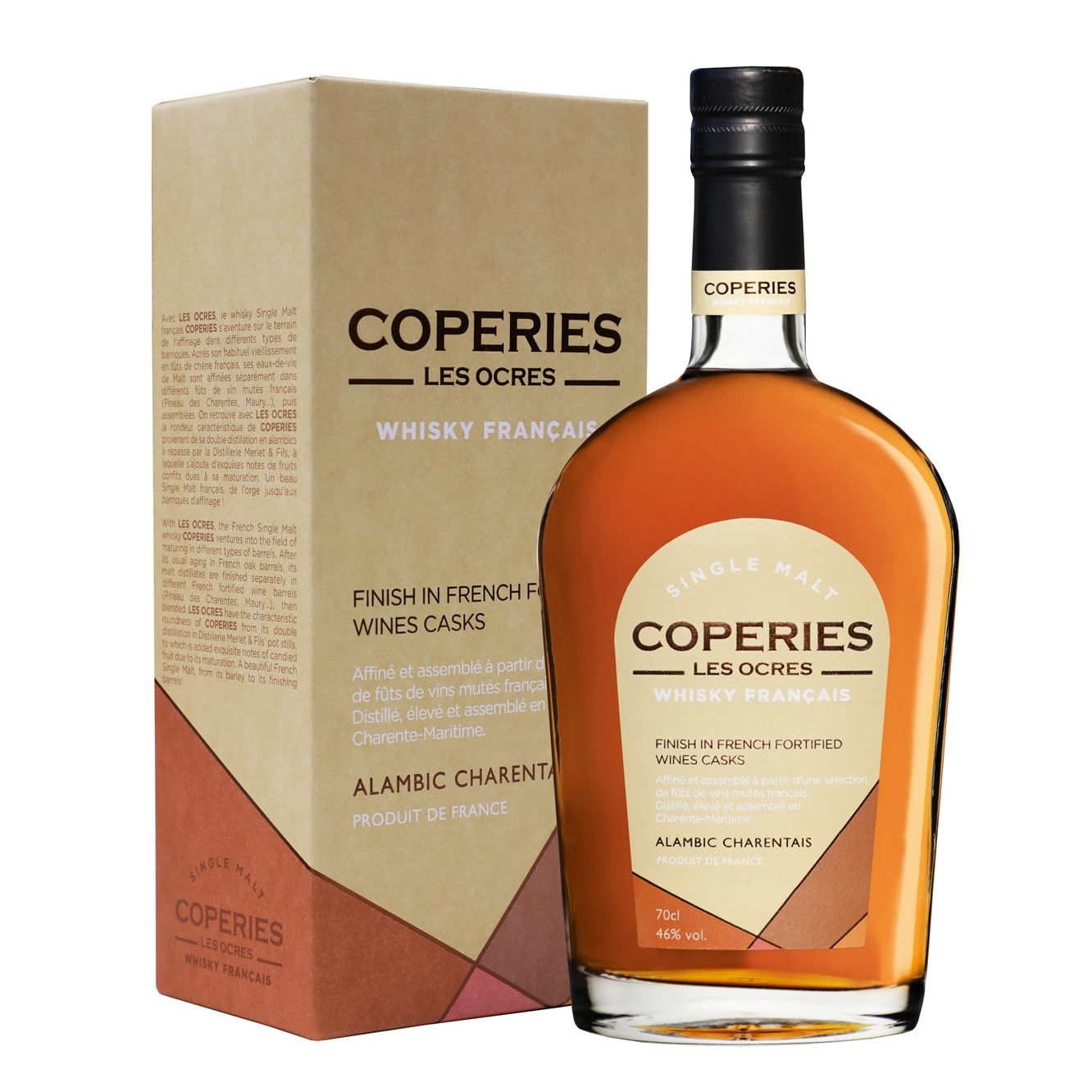
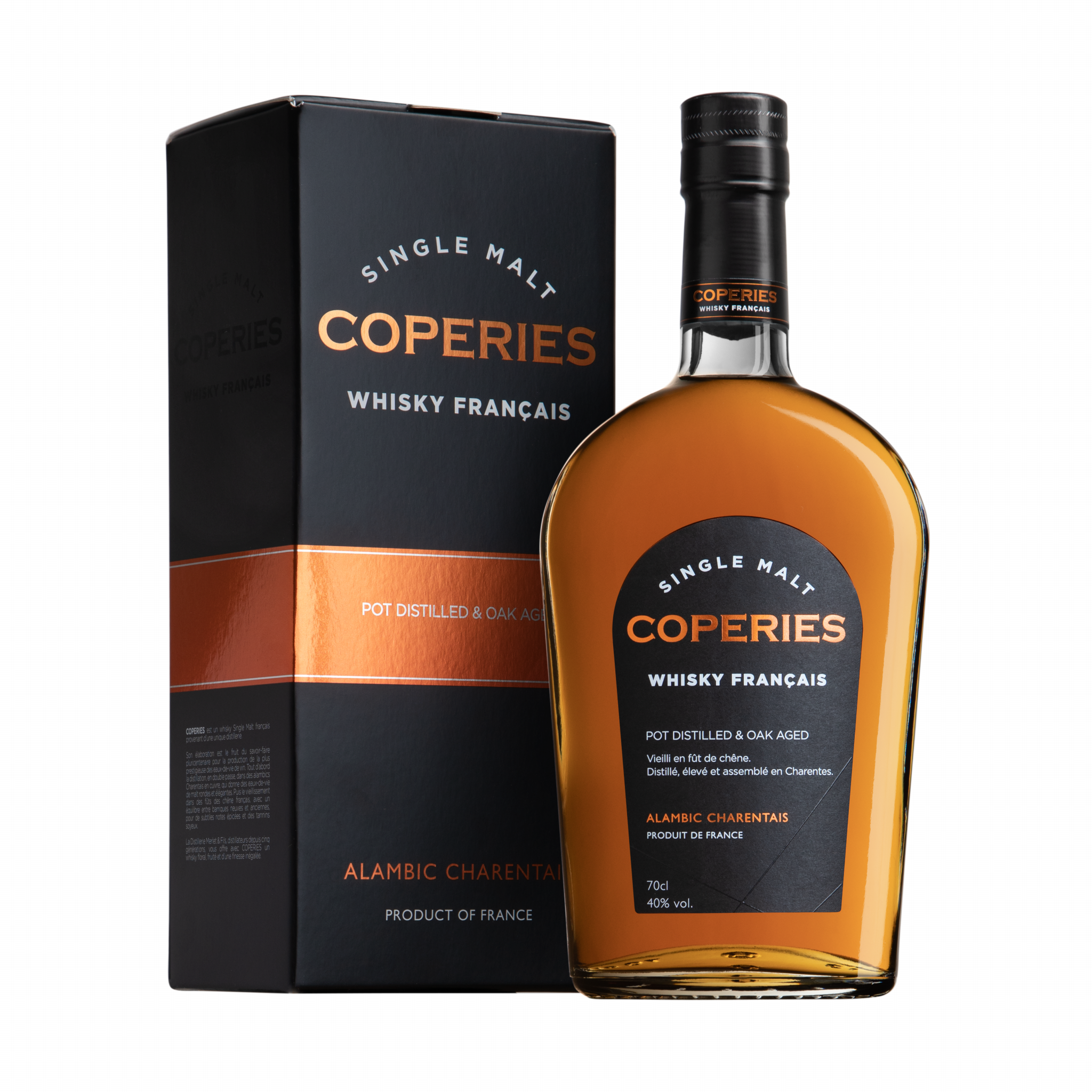
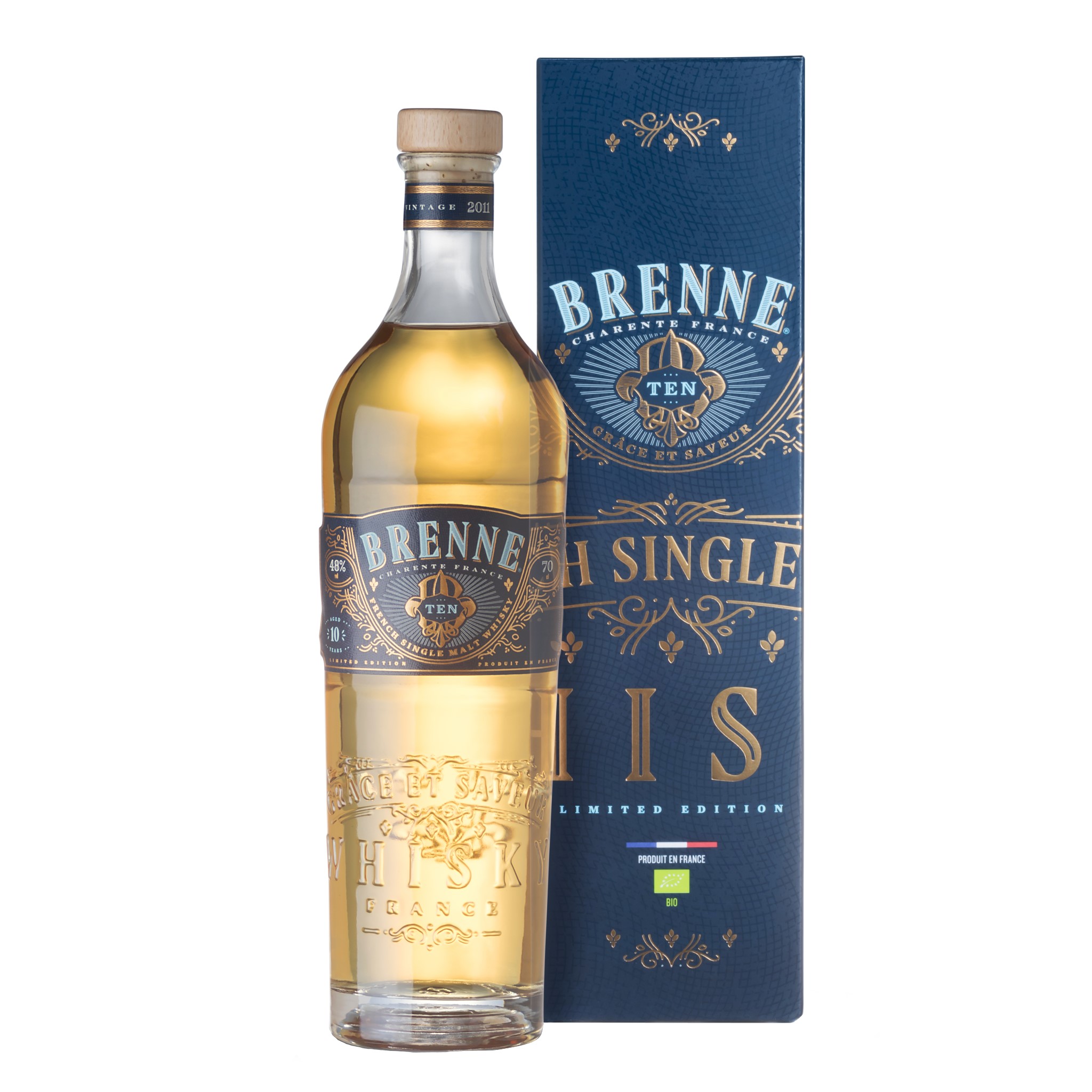
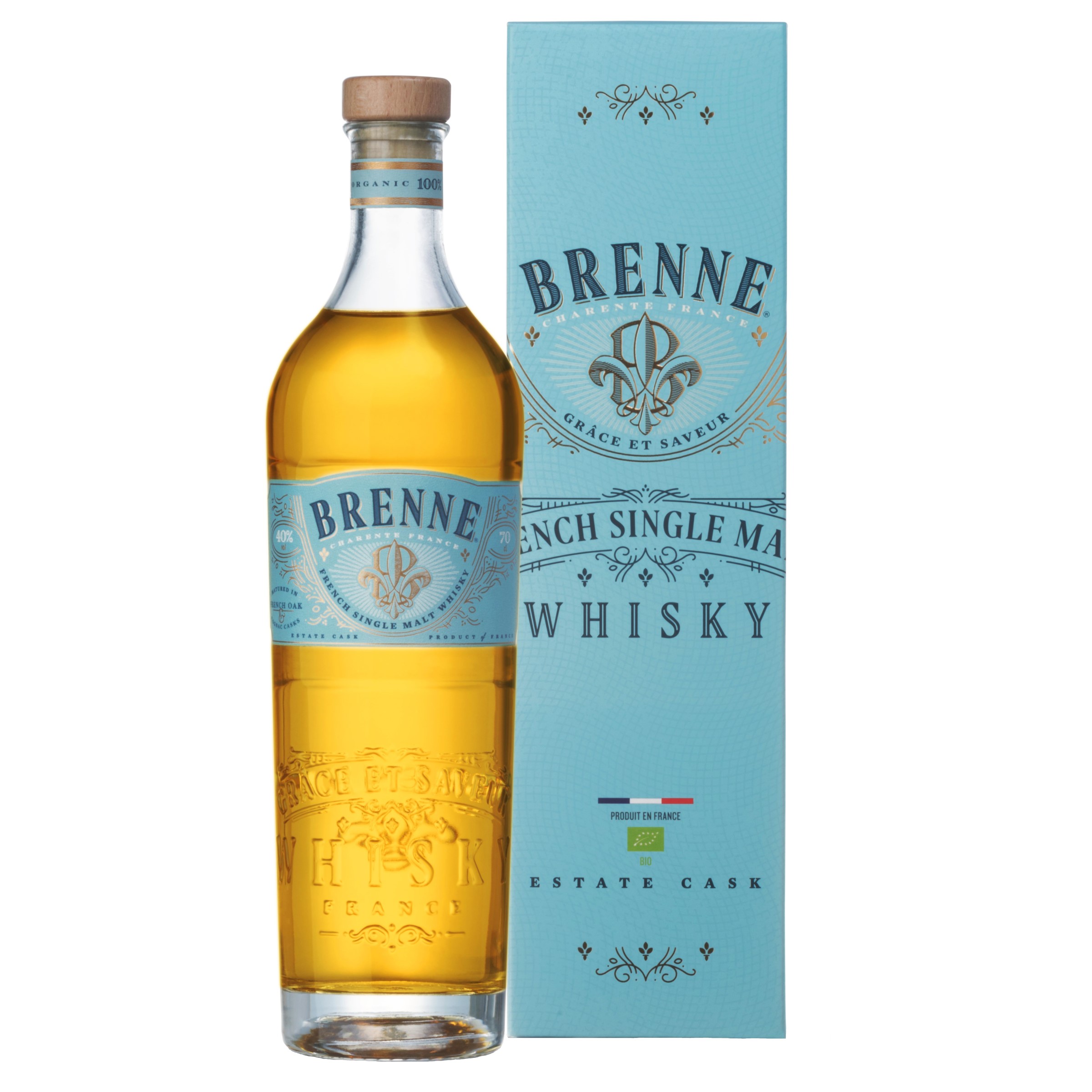
French Whisky: France, already famous for its wine and spirits, has developed a strong reputation in the whisky world as well. French whisky, particularly from regions like Brittany and Alsace, often incorporates local barley and unique cask aging techniques, including the use of wine and Cognac barrels. French whiskies are typically elegant and refined, with a rich, malty base complemented by notes of fruit, spice, and oak.
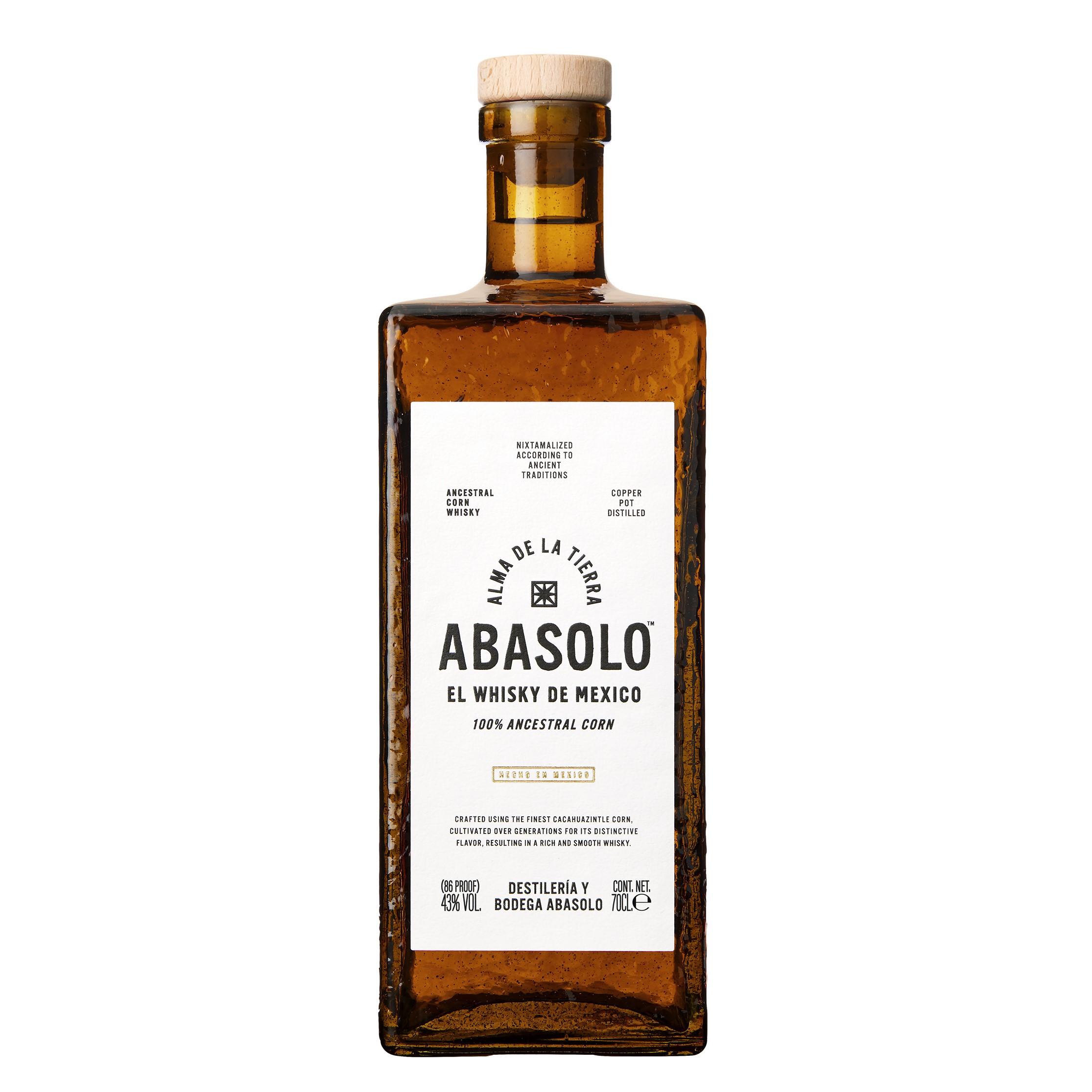
Mexican Whisky: Mexico, better known for tequila and mezcal, has recently entered the whisky scene with a focus on using indigenous corn varieties. Brands like Abasolo and Sierra Norte produce whiskies made from 100% Mexican corn, resulting in a flavor profile that is distinctively rich, sweet, and earthy. The warm climate accelerates the aging process, giving Mexican whiskies a robust, rounded character with hints of vanilla, caramel, and spice.
Production and Styles
While the production methods of world whiskies generally follow the same basic principles—fermenting grains, distilling, and aging in barrels—the ingredients and environmental factors vary by region, leading to distinct styles. Barley, corn, rye, and wheat are common grains used, and aging can occur in a range of barrels, from traditional oak casks to locally sourced woods.
Uses and Serving
World whiskies can be enjoyed neat, on the rocks, or in cocktails. Many of these whiskies are crafted for sipping, allowing their unique regional characteristics to shine. As the category grows, world whiskies are becoming staples in both whisky collections and cocktail menus around the globe.
In summary, world whisky represents a diverse and innovative category that reflects the global expansion of whisky-making. With each region adding its own twist, it offers a wide array of flavors and experiences for whisky lovers to explore.